Hezbollah accepts US ceasefire proposal, Lebanon-Israel talks set for Tuesday
Synopsis
Hezbollah has reportedly accepted a US-brokered 'mutual cessation of attacks' framework with Israel — a significant diplomatic shift even as Israeli strikes hit Beirut's Dahieh suburb and Hezbollah drones killed an IDF doctor on the same day. With Iran suspending its mediation channel and US officials doubting Speaker Berri's ability to guarantee compliance, the gap between diplomatic progress and ground reality has rarely been wider.
Key Takeaways
Lebanese authorities confirmed on 2 June that Hezbollah has accepted a US proposal for a 'mutual cessation of attacks' with Israel .
US President Donald Trump reportedly secured Israeli PM Benjamin Netanyahu's approval of the proposal.
Parliament Speaker Nabih Berri offered to personally guarantee Hezbollah's compliance with a full ceasefire, covering ground, air, and sea.
An Israeli military doctor was killed and seven soldiers injured by Hezbollah explosive drones on the same day.
Iran suspended its mediation back-channel with Washington , citing Israel's actions in Lebanon .
Follow-up negotiation meetings are scheduled for Tuesday and Wednesday .
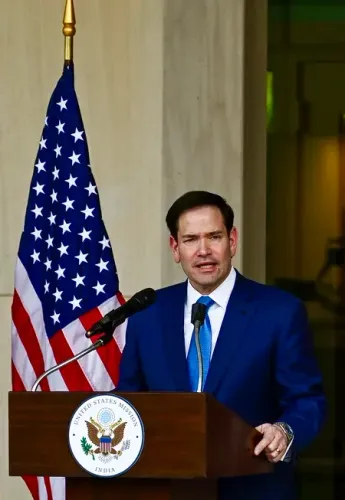
Hezbollah has agreed to a US proposal for a 'mutual cessation of attacks' with Israel, Lebanese authorities confirmed on Monday, 2 June, citing a statement from the Lebanese presidency and the Lebanese embassy in Washington. The development follows a phone call between Lebanese President Joseph Aoun and US Secretary of State Marco Rubio, during which both sides discussed the deteriorating situation in Lebanon and ongoing de-escalation efforts.
What the US Proposal Entails
The proposal calls for a reciprocal halt to hostilities by both sides. Under the framework, Israeli strikes on Beirut's southern suburbs would cease in exchange for Hezbollah refraining from attacks against Israel. The ceasefire arrangement is designed to be expanded progressively to cover all of Lebanese territory.
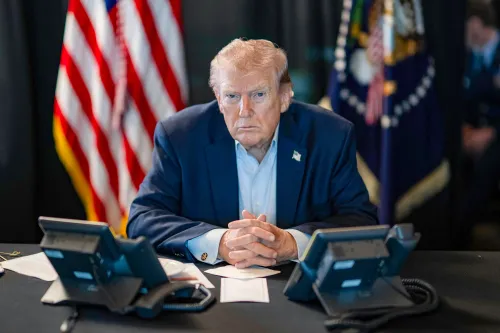
According to the Lebanese presidency's statement, US President Donald Trump subsequently informed Lebanon's ambassador to the United States, Nada Hamadeh Mouawad, that he had secured Israeli Prime Minister Benjamin Netanyahu's approval of the proposal. Mouawad relayed the outcome to President Aoun, who then informed Hezbollah of the development.
Speaker Berri's Guarantee and Washington's Doubts
Lebanese Parliament Speaker Nabih Berri separately told the Trump administration that Hezbollah is prepared for a full and immediate ceasefire and that he would personally guarantee its implementation, according to reports citing Berri's top advisor, Ali Hamdan.
'I called the US ambassador to Beirut, Michel Issa, on Sunday and told him on behalf of Speaker Berri that Hezbollah will be ready to totally commit to a comprehensive ceasefire, and we are ready to guarantee it,' Hamdan said.
Berri proposed a ceasefire on the ground, in the air, and at sea, under which Israel would also commit to halting the demolition of houses in southern Lebanon. However, US officials reportedly told Berri they did not believe Netanyahu would agree to those terms. US and Israeli officials have also questioned whether Berri can actually guarantee Hezbollah's compliance, though he is widely regarded as one of the most influential Shia politicians in Lebanon with close ties to the group.
Violence Continues on the Ground
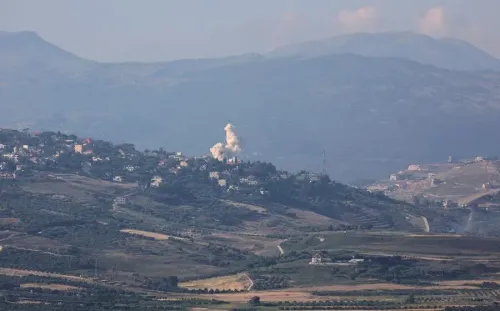
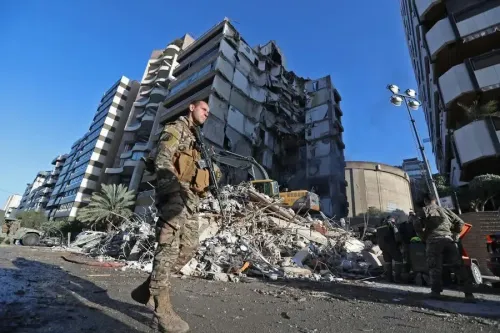
Diplomatic progress came even as hostilities escalated. Israeli Prime Minister Benjamin Netanyahu and Israeli Defence Minister Israel Katz said on Monday that they had ordered strikes on the Beirut suburb of Dahieh, considered a Hezbollah stronghold, amid increased rocket and drone launches by Hezbollah toward Israeli military positions.
The Israel Defense Forces (IDF) confirmed in a statement that an Israeli military doctor was killed and seven soldiers were injured after two explosive drones were simultaneously fired by Hezbollah. This comes amid what analysts describe as a dangerous pattern of tit-for-tat escalation that has persisted despite multiple diplomatic overtures in recent weeks.
Iran Suspends Mediation Channel
Complicating the diplomatic picture, Iran's semi-official Tasnim news agency reported on Monday that Tehran had suspended the exchange of messages with Washington through intermediaries, in protest over Israel's actions in Lebanon. Given Iran's deep influence over Hezbollah, the suspension of that back-channel raises questions about how durable any ceasefire agreement can be without Tehran's active participation.
What Comes Next
Negotiation meetings scheduled for Tuesday and Wednesday are expected to build on the progress achieved, according to the Lebanese embassy. The coming days will test whether the reported agreement translates into a verified halt on the ground, and whether Iran's suspension of mediation channels proves a temporary protest or a substantive obstacle to a lasting deal.
Point of View
Yet the simultaneous drone strike that killed an IDF doctor underscores the chasm between political signalling and battlefield reality. Washington's own scepticism about Berri's ability to guarantee compliance is telling: the US is publicly working a deal while privately doubting the counterparty. Most critically, Iran's suspension of its mediation channel is not a footnote — Tehran's acquiescence is arguably the one variable that determines whether any ceasefire holds. Without it, any agreement risks becoming a pause rather than a resolution.
NationPress
16 Oct 2026
Frequently Asked Questions
What is the US 'mutual cessation of attacks' proposal for Lebanon and Israel?
The US proposal calls for a reciprocal halt to hostilities: Israeli strikes on Beirut's southern suburbs would stop in exchange for Hezbollah ceasing its attacks against Israel. The framework is intended to be expanded progressively to cover all of Lebanese territory.
Has Israel agreed to the ceasefire proposal?
According to the Lebanese presidency's statement, US President Donald Trump informed Lebanon's ambassador that he had secured Israeli Prime Minister Benjamin Netanyahu's approval of the proposal. However, US officials have separately indicated they did not expect Netanyahu to agree to the broader terms proposed by Speaker Berri.
Who is Nabih Berri and why does his role matter?
Nabih Berri is Lebanon's Parliament Speaker and one of the most influential Shia politicians in the country, with close ties to Hezbollah. He offered to personally guarantee Hezbollah's compliance with a comprehensive ceasefire, though US and Israeli officials have questioned whether he can actually enforce that commitment.
Why did Iran suspend its mediation channel with Washington?
Iran's semi-official Tasnim news agency reported that Tehran suspended the exchange of messages with Washington through intermediaries in protest over Israel's military actions in Lebanon. This is significant because Iran's influence over Hezbollah makes its participation critical to any durable ceasefire.
What violence occurred on the same day the ceasefire agreement was reported?
On the same Monday, Israeli Prime Minister Netanyahu and Defence Minister Israel Katz ordered strikes on Beirut's Dahieh suburb, a Hezbollah stronghold. Separately, the Israel Defense Forces confirmed that one Israeli military doctor was killed and seven soldiers were injured by two explosive drones simultaneously fired by Hezbollah.