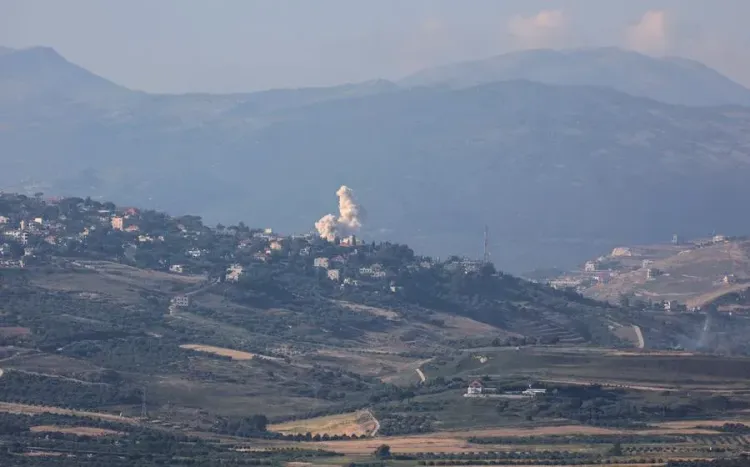
Hezbollah fires surface-to-air missiles at Israeli Air Force aircraft near Lebanon border
Synopsis
Days after Israel and Lebanon agreed to a ceasefire in Washington, Hezbollah fired surface-to-air missiles at Israeli Air Force aircraft — triggering sirens in Kiryat Shmona and eight border villages. Meanwhile, Lebanese President Joseph Aoun publicly confronted Iran for using Lebanon as a bargaining chip and rebuked Hezbollah's Naim Qassem, signalling a rare and sharp split between Beirut's government and the armed group.
Key Takeaways
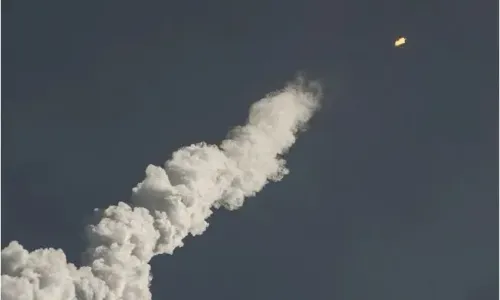
The IDF confirmed Hezbollah launched surface-to-air missiles at Israeli Air Force aircraft on 6 June ; no injuries or aircraft damage reported.
Air raid sirens were activated in Kiryat Shmona and eight villages in northeast Israel , sending thousands to shelters.
The incident occurred days after Israel and Lebanon agreed to a ceasefire following trilateral talks in Washington .
Lebanese President Joseph Aoun publicly condemned Iran for using Lebanon as a bargaining chip and criticised Hezbollah Secretary General Naim Qassem .
Iran's IRGC stated on Thursday that a comprehensive ceasefire on all fronts, including Lebanon , was its primary condition for accepting the 8 April truce with the US and Israel.
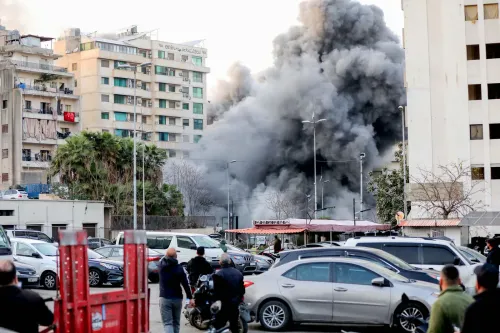
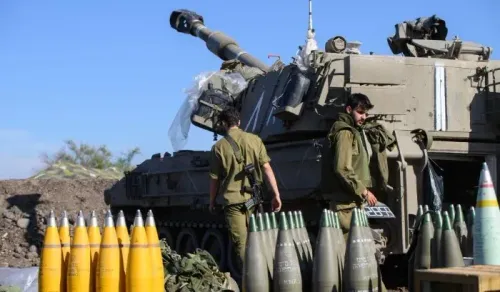
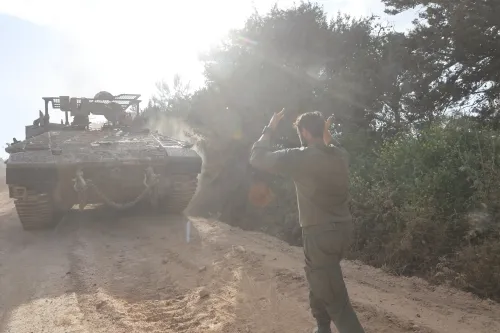
The Israel Defense Forces (IDF) confirmed on Friday, 6 June that Hezbollah launched surface-to-air missiles targeting Israeli Air Force aircraft, in an incident that triggered air raid sirens across Kiryat Shmona and eight villages in northeast Israel, close to the Lebanese border. The IDF stated that the incident concluded with no injuries or damage to the aircraft.
Key Developments
The missile launches sent thousands of residents in the affected areas rushing to shelters. According to the IDF statement issued Friday night, the surface-to-air fire was detected and tracked, and Israeli aircraft emerged unscathed. This comes just days after Israel and Lebanon agreed on Wednesday to implement a ceasefire following trilateral negotiations in Washington — making the missile launch a significant provocation against that fragile agreement.
Lebanese President Condemns Iran's Role
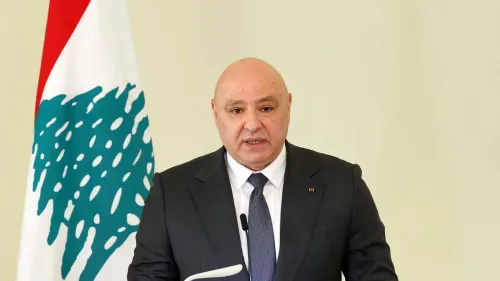
Lebanese President Joseph Aoun sharply criticised Iran for using Lebanon as a bargaining chip in its negotiations with the United States, and took direct aim at Hezbollah Secretary General Naim Qassem. Aoun made the remarks in an interview with CNN chief international anchor Christiane Amanpour, released by the Lebanese Presidency on Friday.
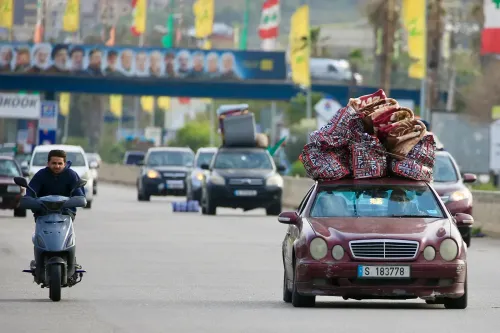
'This is not your country; it is our country,' Aoun said, stressing that it was unacceptable for regional powers to advance their own interests while Lebanese civilians bore the consequences through 'deaths, displacement, and destruction.'
What Aoun Said About Hezbollah
Aoun noted that the Lebanese state must address the Hezbollah issue domestically by tackling root causes — including Israel's withdrawal from Lebanese territory and an end to the conflict. He emphasised that negotiations remain the only viable path forward. Responding to statements by Qassem opposing the ceasefire agreement and threatening to bring down the government through street protests, Aoun said: 'They are the Lebanese people, not Naim Qassem's people,' adding that the overwhelming majority of Lebanese from all sects and regions were exhausted by decades of conflict.
Iran's Stated Conditions
On Thursday, Iran's Islamic Revolutionary Guard Corps (IRGC) stated that Iran's primary condition for accepting the 8 April truce with the United States and Israel was a comprehensive ceasefire on all fronts, including Lebanon. The statement adds a layer of complexity to the fragile diplomatic architecture being assembled in Washington, suggesting Tehran views the Lebanese front as leverage rather than a standalone issue.
What Happens Next
The missile incident, occurring days after a ceasefire commitment, raises serious questions about Hezbollah's operational independence from the Lebanese state and its alignment with Iranian strategic interests. Analysts will be watching whether the IDF responds militarily or whether diplomatic channels — already under strain — hold. The Lebanese government's ability to rein in Hezbollah amid domestic exhaustion with the conflict remains the central variable in the weeks ahead.
Point of View
But rebuke is not control. The IRGC's statement linking any Iran-US truce to a Lebanon ceasefire confirms that Tehran views Hezbollah's arsenal as diplomatic currency, not a Lebanese domestic matter. Until that structural equation changes, no paper agreement in Washington will hold on the ground in Kiryat Shmona.
NationPress
20 Sept 2026
Frequently Asked Questions
What did Hezbollah do on 6 June near the Israeli border?
Hezbollah launched surface-to-air missiles targeting Israeli Air Force aircraft, according to the IDF. The incident triggered air raid sirens in Kiryat Shmona and eight villages in northeast Israel, though no injuries or aircraft damage were reported.
Was there a ceasefire agreement between Israel and Lebanon before this incident?
Yes. Israel and Lebanon had agreed on Wednesday — just days before the missile launch — to implement a ceasefire following trilateral negotiations in Washington. The missile fire represents a direct challenge to that agreement.
What did Lebanese President Joseph Aoun say about Iran and Hezbollah?
Aoun publicly condemned Iran for using Lebanon as a bargaining chip in its negotiations with the United States, saying 'This is not your country; it is our country.' He also criticised Hezbollah Secretary General Naim Qassem for threatening to bring down the Lebanese government through street protests.
What conditions has Iran set for accepting a truce?
Iran's Islamic Revolutionary Guard Corps stated on Thursday that Iran's primary condition for accepting the 8 April truce with the United States and Israel was a comprehensive ceasefire on all fronts, explicitly including Lebanon.
Who is affected by the ongoing conflict in Lebanon?
Lebanese civilians across all sects and regions are directly affected, facing deaths, displacement, and destruction, according to President Aoun. Residents of border communities in northeast Israel — including Kiryat Shmona — are also at immediate risk, as the missile launch demonstrated.