Israel-Hezbollah ceasefire holds amid fresh clashes, Netanyahu warns of heavy price
Synopsis
A ceasefire between Israel and Hezbollah was reported on 19 June — but it arrived alongside Israeli strikes on over 80 targets and the deaths of four IDF soldiers, with Netanyahu vowing a 'very heavy price.' The agreement is conditional on both sides, and Hezbollah's own endorsement came with an explicit caveat: only if Israel respects the terms first.
Key Takeaways
Israel and Hezbollah reached a ceasefire, reported by local Israeli media on Friday, 19 June .
Four Israeli soldiers , including Lt.
Dor Gedalia Ben Simhon , were killed in Lebanon on Thursday , prompting IDF retaliation.
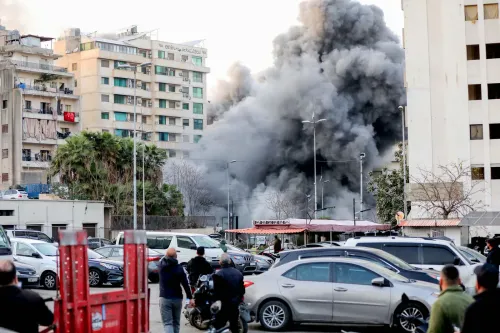
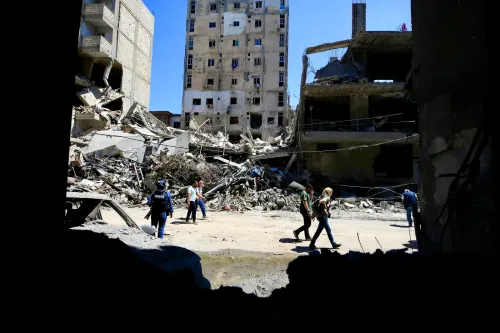
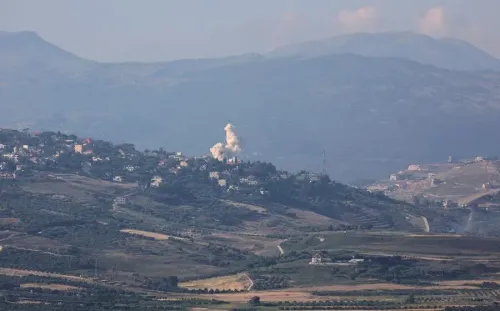
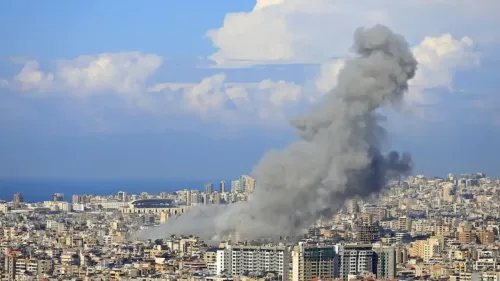
The IDF struck over 80 Hezbollah targets and hit command posts in the Beqaa Valley on Friday morning.
PM Netanyahu warned Israel will exact a 'very heavy price' for any further attacks on soldiers or territory.
Hezbollah's Ibrahim al-Moussawi said the group would honour the ceasefire only if Israel also respects its terms.
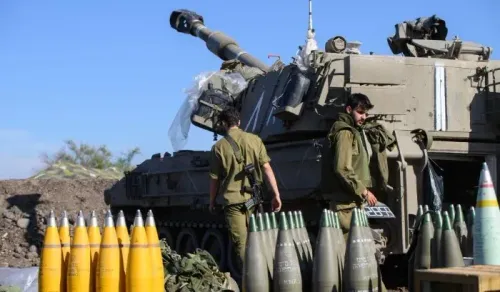
Israel confirmed it will maintain a presence in the 'security zone' in southern Lebanon .
Israel and Hezbollah have reached a ceasefire agreement, local Israeli media reported on Friday, 19 June, citing unnamed Israeli officials. The development comes even as both sides traded fire in the preceding days, raising questions about the durability of the truce.
Key Developments
An Israeli official confirmed that Israel would maintain its presence in the 'security zone' in southern Lebanon, warning: 'If they attack us, we will respond.' The statement, attributed to the official by Israel's Channel 12, signals that the ceasefire is conditional and militarily enforced rather than unconditional.
On the Hezbollah side, Ibrahim al-Moussawi, a member of Hezbollah's parliamentary bloc 'Loyalty to the Resistance,' stated on Friday that the group would continue to honour the ceasefire agreement — but only as long as Israel also respects its terms. The reciprocal framing from both parties underscores how fragile the arrangement remains.
Netanyahu's Warning After Soldier Deaths
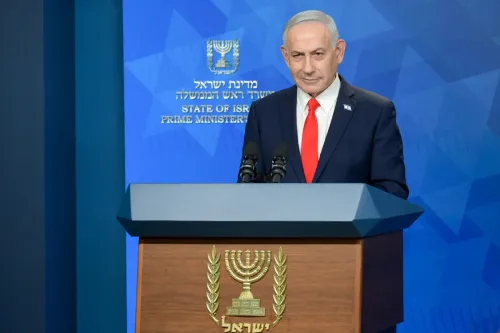
Earlier on Friday, Israeli Prime Minister Benjamin Netanyahu issued a stern warning following the killing of four Israeli soldiers in Lebanon on Thursday. In a statement posted by the Office of the Israeli Prime Minister on X, Netanyahu offered condolences to the families of the fallen, including Lt. Col. Dor Gedalia Ben Simhon, Commander of the Armored Corps 52nd Battalion, and three other fighters whose names had not yet been cleared for publication.
'Following the heinous attack by Hezbollah, which is a flagrant violation of the ceasefire, I instructed the IDF last night to strike Hezbollah with force,' Netanyahu said. He added that his directive was unambiguous: 'Israel will not tolerate attacks on our soldiers or our territory, and it will exact a very heavy price from Hezbollah for these attacks.'
IDF Strikes and Military Response
According to Netanyahu, the Israeli Defence Forces (IDF) struck over 80 terror targets and reportedly eliminated dozens of Hezbollah fighters following the Thursday attack. The IDF subsequently struck Hezbollah command posts in the Beqaa Valley on Friday morning. Netanyahu also held a situation assessment with the Minister of Defence and the Chief of General Staff.
Context and What It Means
This ceasefire, if it holds, represents a significant but tenuous pause in one of the most active fronts of the broader regional conflict that has intensified since late 2023. Hezbollah and Israel have exchanged near-daily fire across the Lebanon-Israel border, and previous understandings have repeatedly broken down. Notably, the killing of four soldiers and Israel's retaliatory strikes on 80-plus targets occurred within the ceasefire window — illustrating how contested the agreement's terms already are.
The coming days will be critical in determining whether both parties interpret the ceasefire's boundaries similarly, or whether the cycle of strikes and counter-strikes resumes at scale.
Point of View
At best, a managed pause — not a resolution. The killing of four IDF soldiers within the ceasefire period, and Israel's immediate large-scale retaliation, reveals how thin the shared understanding of the agreement's terms actually is. Mainstream coverage tends to lead with the word 'ceasefire' as if it signals de-escalation; the operational picture suggests the opposite. The real question is whether any external guarantor — the US, France, or the UN — has the leverage to enforce compliance from either party, or whether this truce is simply the interval between the last exchange and the next.
NationPress
18 Sept 2026
Frequently Asked Questions
Have Israel and Hezbollah reached a ceasefire?
Yes, local Israeli media reported on Friday, 19 June, citing Israeli officials, that Israel and Hezbollah have reached a ceasefire agreement. However, both sides have attached conditions to their compliance, and Israeli strikes continued in the same period.
Why did Israel strike Hezbollah despite the ceasefire?
Israeli Prime Minister Benjamin Netanyahu said Hezbollah's killing of four IDF soldiers in Lebanon on Thursday constituted a 'flagrant violation of the ceasefire,' prompting him to order IDF strikes on over 80 targets. He warned Israel would not tolerate attacks on its soldiers or territory.
What did Hezbollah say about the ceasefire?
Ibrahim al-Moussawi, a member of Hezbollah's parliamentary bloc 'Loyalty to the Resistance,' said on Friday that Hezbollah would continue to abide by the ceasefire — provided that Israel also respects its terms. The conditional stance mirrors Israel's own position.
What is Israel's 'security zone' in southern Lebanon?
An Israeli official confirmed that Israel intends to remain in a designated 'security zone' in southern Lebanon as part of its ceasefire posture. The official warned that any attack would draw a response, signalling the zone is actively enforced.
Who were the Israeli soldiers killed in Lebanon?
Four Israeli soldiers were killed in Lebanon on Thursday. Netanyahu identified one as Lt. Col. Dor Gedalia Ben Simhon, Commander of the Armored Corps 52nd Battalion. The names of the other three had not yet been cleared for publication at the time of his statement.