Israeli airstrike hits Lebanon minutes after ceasefire takes effect
Synopsis
A ceasefire between Lebanon and Israel had barely taken effect at 4 pm local time on 20 June when an Israeli airstrike struck near the southern Lebanese town of Sajd. With the death toll since March at 3,980 and Hezbollah warning it will fight back if attacked, the truce faces its first — and immediate — test.
Key Takeaways
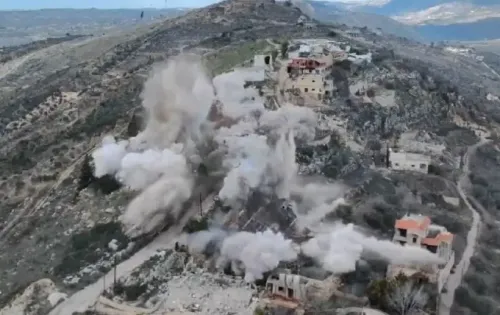
An Israeli airstrike hit the Jabal al-Rafee area near Sajd , southern Lebanon, shortly after a ceasefire took effect at 4:00 p.m. local time on 20 June .
Hezbollah leader Naim Qassem warned the group would 'confront Israel with weapons' if attacked, while also calling for respect of Lebanese sovereignty.
Ibrahim al-Moussawi of Hezbollah's parliamentary bloc said the group would abide by the ceasefire only if Israel also respects its terms.
Lebanon's cumulative death toll from Israeli attacks since 2 March has reached 3,980 killed and 12,001 injured , according to Lebanon's Public Health Emergency Operations Center .
Qassem accused Israel of pursuing an 'American-Israeli project' aimed at undermining Lebanon's political authority and blocking reconstruction.
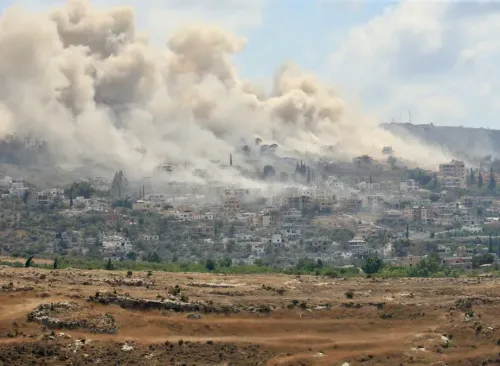
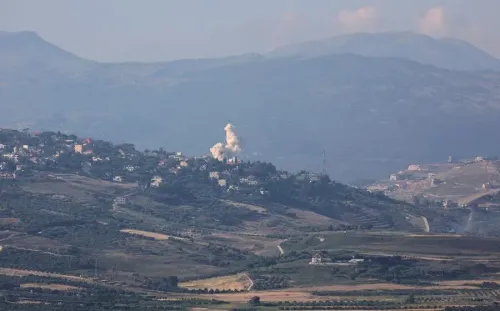
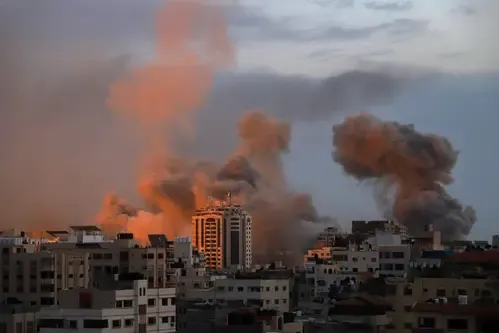
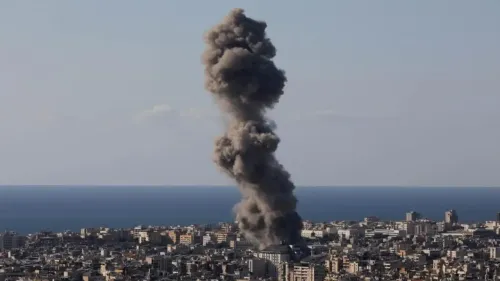
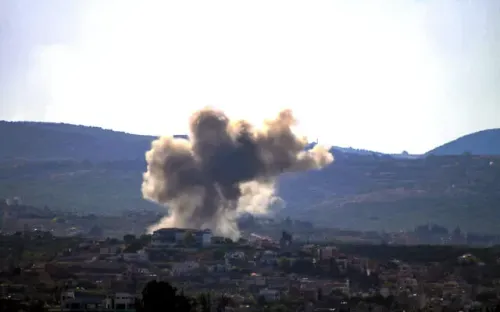
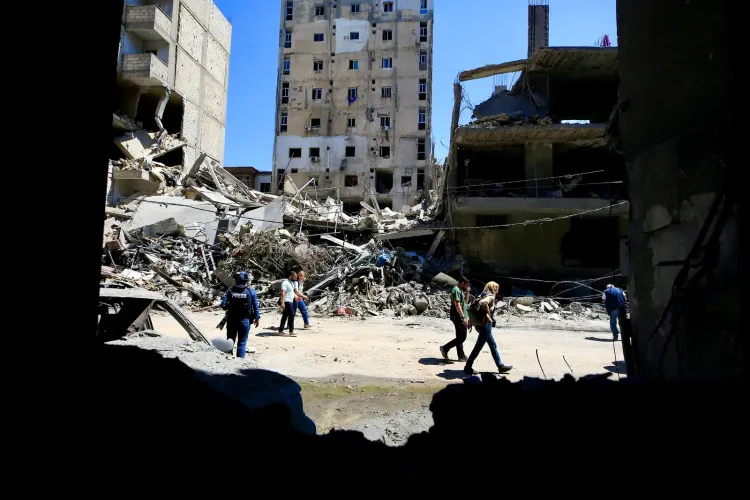
An Israeli airstrike struck the Jabal al-Rafee area near the southern Lebanese town of Sajd on Friday, 20 June, shortly after a ceasefire between Lebanon and Israel came into force at 4:00 p.m. local time, according to Lebanon's National News Agency. The strike raised immediate questions about the durability of the truce even as it was taking hold.
The Ceasefire and Its Immediate Breach
The ceasefire had been in effect for only a brief window when the airstrike was reported. Ibrahim al-Moussawi, a member of Hezbollah's parliamentary bloc 'Loyalty to the Resistance,' had earlier stated that the group would continue to honour the ceasefire agreement — provided Israel respected its terms. The strike near Sajd tested that commitment almost immediately.
What Hezbollah's Leader Said
Hezbollah leader Naim Qassem addressed the situation in a televised speech on the al-Manar local TV channel on Friday, warning that the group would confront Israel with weapons if attacked. 'The project to eliminate Hezbollah and entrench the occupation has failed, and the Israelis will withdraw from every last inch of our land,' Qassem said.
He described Lebanon as facing 'the most dangerous stage' of an 'American-Israeli project' targeting the country's future, accusing Israel of attempting to turn Lebanon's political authority against the resistance movement and of obstructing reconstruction in conflict-affected areas. Qassem also stressed that Hezbollah's weapons are directed solely against Israel, and called on Israel to respect Lebanon's sovereignty and territorial integrity.
Rising Toll from Ongoing Conflict
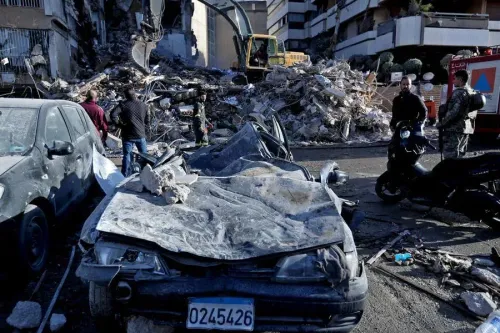
Lebanon's Public Health Emergency Operations Center reported that the cumulative death toll from Israeli attacks since 2 March had climbed to 3,980 people killed and 12,001 injured. The figures underscore the scale of the humanitarian crisis unfolding in the country even as diplomatic efforts attempt to establish a lasting halt to hostilities.
What Happens Next
The ceasefire's credibility now hinges on whether both sides demonstrate restraint in the hours and days ahead. Hezbollah has signalled conditional compliance, while the airstrike near Sajd — occurring within the ceasefire window — risks triggering a renewed escalation. International observers and Lebanese authorities are closely monitoring developments on the ground for further violations.
Point of View
A strike follows almost immediately, and each side points to the other's action as the provocation. What is different this time is the scale of the humanitarian toll — nearly 4,000 dead since March — which raises the cost of another collapse. Hezbollah's conditional compliance language, and Qassem's simultaneous warning of armed retaliation, leaves the door open for escalation at any moment. The real question is whether any external guarantor has the leverage to hold both sides to the terms, or whether this ceasefire will follow the same trajectory as previous ones in the region.
NationPress
18 Sept 2026
Frequently Asked Questions
What happened in Lebanon on 20 June after the ceasefire took effect?
An Israeli airstrike targeted the Jabal al-Rafee area near the southern Lebanese town of Sajd shortly after a ceasefire between Lebanon and Israel came into effect at 4:00 p.m. local time on 20 June, according to Lebanon's National News Agency. The strike raised concerns about the ceasefire's durability almost immediately.
What did Hezbollah leader Naim Qassem say about the ceasefire?
Hezbollah leader Naim Qassem said in a televised speech on al-Manar TV that the group would confront Israel with weapons if attacked, and that threats of death would not deter its members. He also called on Israel to respect Lebanon's sovereignty and stated that Hezbollah's weapons are directed solely against Israel.
How many people have been killed in Lebanon since the Israeli attacks began?
According to Lebanon's Public Health Emergency Operations Center, the cumulative death toll from Israeli attacks since 2 March stands at 3,980 people killed and 12,001 injured. The figures reflect months of sustained conflict ahead of the 20 June ceasefire.
What is Hezbollah's position on the ceasefire agreement?
Ibrahim al-Moussawi, a member of Hezbollah's parliamentary bloc 'Loyalty to the Resistance,' said the group would continue to abide by the ceasefire agreement as long as Israel also respects its terms. The conditional stance leaves the truce vulnerable to collapse if further Israeli actions are reported.
What did Naim Qassem say about Israel's broader objectives in Lebanon?
Qassem accused Israel of pursuing what he called an 'American-Israeli project' aimed at turning Lebanon's political authority against the resistance movement and obstructing reconstruction in conflict-affected areas. He declared that the project to eliminate Hezbollah had failed and that Israeli forces would withdraw from Lebanese territory.