Three paramedics killed in Lebanon airstrike; PM Salam seeks global diplomatic support
Synopsis
Three paramedics are dead after an airstrike destroyed a civil defence centre in southern Lebanon — even as Israel and Lebanon agreed to extend their ceasefire by 45 days. The simultaneous escalation on the ground and diplomatic progress at the table captures Lebanon's precarious reality, with PM Nawaf Salam warning the country faces its worst crisis since independence.
Key Takeaways
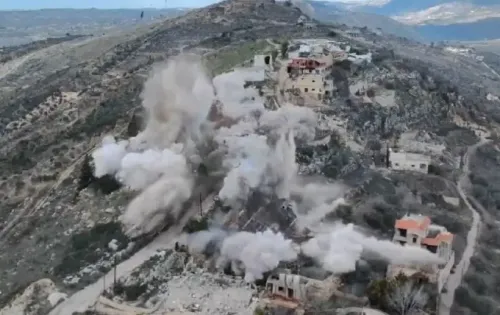
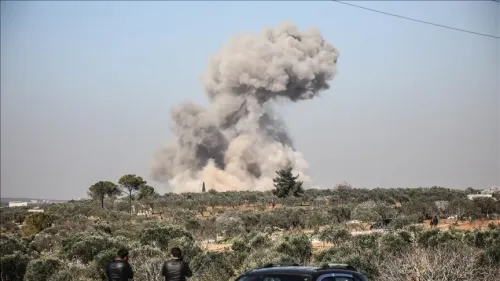
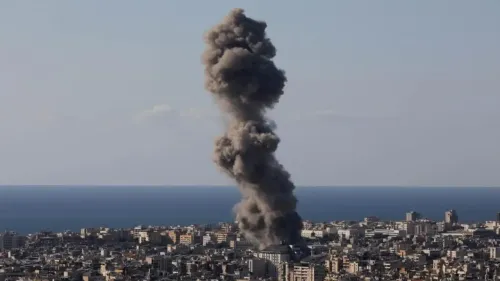
Three paramedics were killed and one critically wounded in an airstrike on a civil defence centre in Harouf , southern Lebanon, on 16 May .
Lebanon's Health Ministry accused Israel of violating international humanitarian law by targeting medical and rescue personnel.
Prime Minister Nawaf Salam said Israel is occupying 68 towns, villages and positions and called the situation Lebanon's gravest crisis since its founding.
Israel and Lebanon agreed to a 45-day extension of their ceasefire, confirmed by US State Department spokesman Tommy Piggott .
Political talks are set for 2-3 June at the US State Department; military security talks begin at the Pentagon on 29 May .
Clashes between Hezbollah and Israeli forces in southern Lebanon have continued despite the ceasefire.
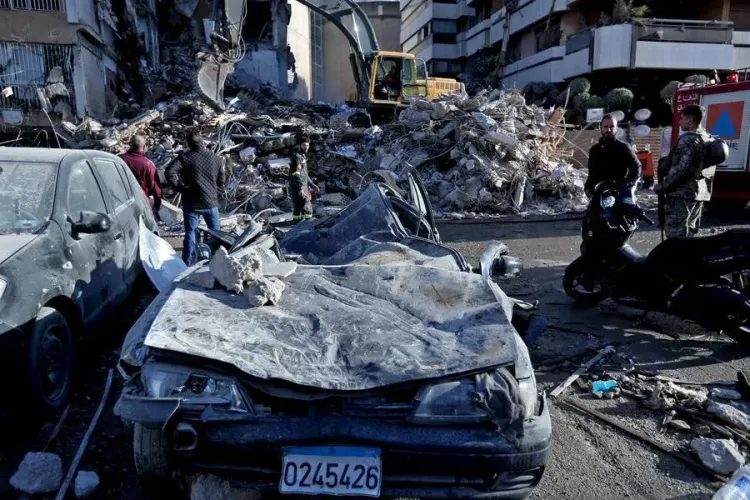
Three paramedics were killed and a fourth critically wounded when an airstrike struck a civil defence centre in southern Lebanon on 16 May, as Lebanese Prime Minister Nawaf Salam called on Arab nations and the international community to rally behind Beirut's diplomatic push, warning that Lebanon is enduring its most severe crisis since independence.
The Strike and Its Target
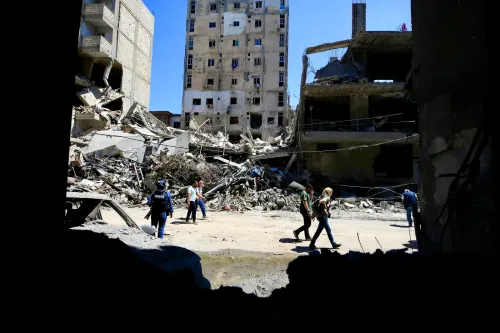
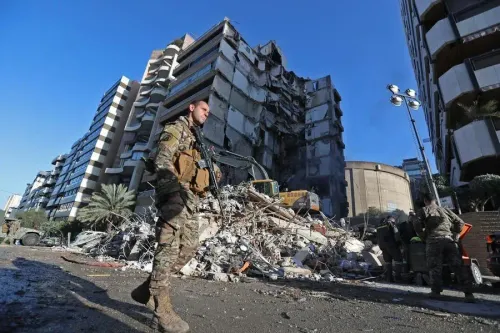
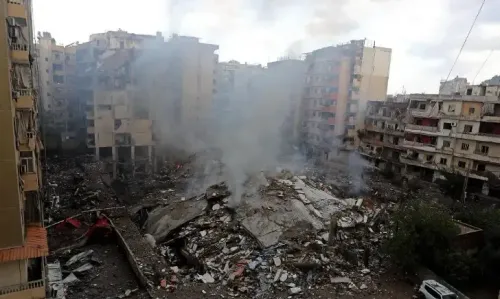
Lebanon's Health Ministry confirmed that the airstrike hit a civil defence facility operated by the Islamic Health Authority in the town of Harouf, completely destroying the centre. The ministry accused Israel of violating international humanitarian law by targeting medical and rescue personnel. Israel has not publicly responded to the specific allegation.
PM Salam's Warning on Lebanon's Crisis
Speaking on Friday, Prime Minister Salam said the latest war 'was imposed on Lebanon' and had resulted in Israel occupying 68 towns, villages and positions. He cautioned that Lebanon cannot recover while young people continue emigrating, the middle class erodes, and critical sectors such as education and healthcare struggle to survive. Salam described the situation as Lebanon's gravest since its founding.
Background: How the Current Round of Fighting Began
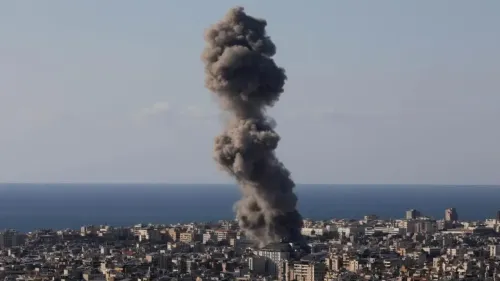
The current phase of conflict began on 2 March, when Hezbollah fired rockets towards Israel amid tensions linked to the US-Israeli confrontation with Iran. Israel responded with large-scale airstrikes and a ground invasion of Lebanon. Despite a ceasefire that came into effect last month, clashes between Israeli forces and Hezbollah in southern Lebanon have continued. Hezbollah claimed it had targeted Israeli drones, troops, military bulldozers, and a Merkava tank across several areas of the south.
Ceasefire Extended, Talks Scheduled
In a significant diplomatic development, Israel and Lebanon have agreed to a 45-day extension of their ceasefire. US State Department spokesman Tommy Piggott confirmed the development in a post on X on Friday, stating: 'The April 16 cessation of hostilities will be extended by 45 days to enable further progress.' The two countries held their third round of direct talks on Thursday and Friday, which Piggott described as 'highly productive.' Political negotiations are scheduled to resume at the US State Department on 2-3 June, while military delegates are set to begin parallel security talks at the Pentagon on 29 May.
What Comes Next
The 45-day extension buys time for diplomacy, but the continued clashes on the ground underscore the fragility of any agreement. With Lebanon's economy hollowed out and its institutions under strain, the diplomatic calendar in late May and early June will be closely watched as a test of whether a durable settlement is within reach.
Point of View
And the 45-day extension, while welcome, does nothing to address the structural asymmetry: Israel holds 68 positions inside Lebanese territory while talks proceed in Washington. PM Salam's appeal for Arab and international support is strategically sound but historically underdelivered upon. The June diplomatic calendar is the most concrete near-term test, but without enforcement mechanisms on the ceasefire, the pattern of talks-and-strikes is likely to persist.
NationPress
24 Sept 2026
Frequently Asked Questions
Who were the paramedics killed in the Lebanon airstrike?
Three paramedics working for the Islamic Health Authority's civil defence centre in Harouf, southern Lebanon, were killed in an airstrike on 16 May. A fourth paramedic was critically wounded and the facility was completely destroyed, according to Lebanon's Health Ministry.
What did Lebanese PM Nawaf Salam say about the crisis?
Prime Minister Nawaf Salam said the latest war 'was imposed on Lebanon' and warned the country is facing its gravest crisis since its founding. He said Lebanon cannot recover while young people emigrate, the middle class erodes, and sectors like education and healthcare struggle to survive.
Has the Israel-Lebanon ceasefire been extended?
Yes. Israel and Lebanon have agreed to a 45-day extension of their ceasefire, which originally took effect last month. US State Department spokesman Tommy Piggott confirmed the extension on Friday, saying it would 'enable further progress.'
When are the next Israel-Lebanon diplomatic talks scheduled?
Political negotiations between Israel and Lebanon are scheduled for 2-3 June at the US State Department. Military delegates are set to begin parallel security talks at the Pentagon on 29 May.
How did the current round of fighting in Lebanon begin?
The current phase began on 2 March, when Hezbollah fired rockets towards Israel amid tensions linked to the US-Israeli confrontation with Iran. Israel responded with large-scale airstrikes and a ground invasion of Lebanon.