Israel-Lebanon ceasefire extended 45 days: US State Department
Synopsis
Israel and Lebanon have agreed to extend their fragile ceasefire by 45 days, even as Israeli strikes reportedly killed at least nine people in southern Lebanon on the same day the extension was announced. With military talks at the Pentagon set for 29 May and political negotiations at the State Department on 2-3 June, the diplomacy is intensifying — but so is the violence on the ground.
Key Takeaways
Israel and Lebanon agreed to extend the April 16 ceasefire by 45 days , confirmed by the US State Department on 16 May .
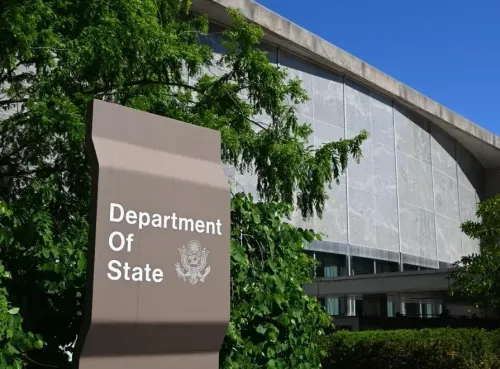
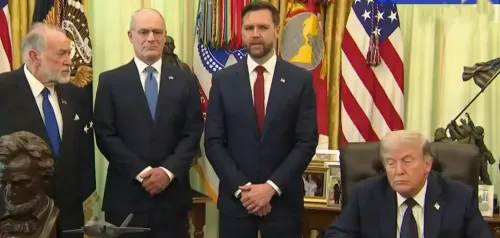
State Department spokesman Tommy Piggott announced the extension in a post on X, calling the latest round of talks 'highly productive.' Military delegates will hold security talks at the Pentagon on 29 May ; political negotiations resume at the State Department on 2-3 June .
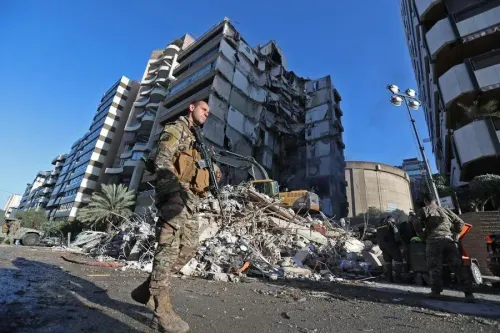
Israeli strikes reportedly killed at least 9 people and wounded dozens in southern Lebanon on Friday, despite the ceasefire.
Lebanon's Public Health Emergency Operations Center reported 2,951 killed and 8,988 wounded in Israeli attacks between 2 March and 15 May .
Core demands remain unresolved: Israel seeks to disarm Hezbollah and retain operational freedom; Lebanon demands full Israeli withdrawal and an end to strikes.
Israel and Lebanon have agreed to extend their ceasefire by 45 days, the US State Department confirmed on 16 May, as both sides continue negotiations over a broader political and security settlement. The extension preserves the April 16 cessation of hostilities, buying more time for diplomacy even as violence persists on the ground.
What the Extension Covers
State Department spokesman Tommy Piggott announced the development in a post on X on Friday, stating: 'The April 16 cessation of hostilities will be extended by 45 days to enable further progress.' Political negotiations between the two countries are scheduled to resume at the US State Department on 2-3 June, while military delegates are set to begin parallel security talks at the Pentagon on 29 May.
Talks Described as 'Highly Productive'
The two sides held their third round of direct talks in Washington on Thursday and Friday, which Piggott described as 'highly productive.' Israel was represented by its ambassador to Washington, Yechiel Leiter, alongside senior security officials. Lebanon's delegation included ambassador Nada Hamadeh Mouawad and former Lebanese Ambassador to the United States Simon Karam.
Violence Continues Despite Ceasefire
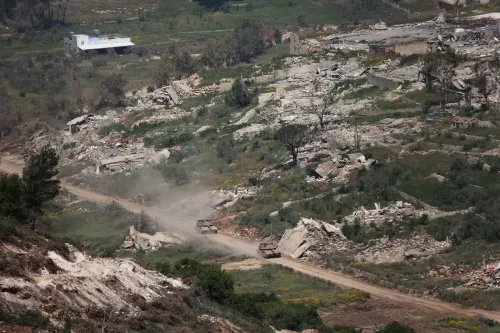
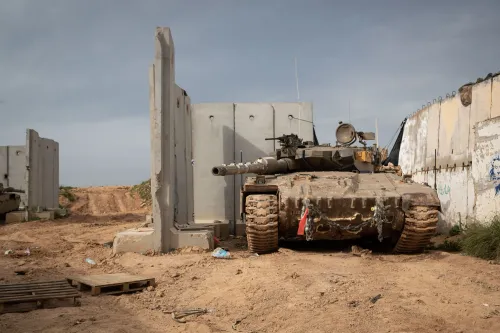
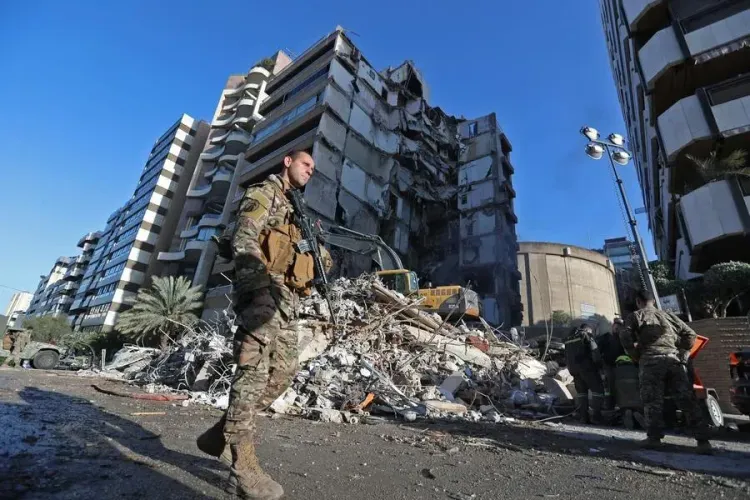
Despite the truce, clashes in southern Lebanon have not stopped. Israeli strikes reportedly killed at least nine people and wounded dozens in southern Lebanon on Friday, according to the Lebanese National News Agency. Hezbollah said it targeted Israeli drones, troops, military bulldozers, and a Merkava tank in several areas of the south.
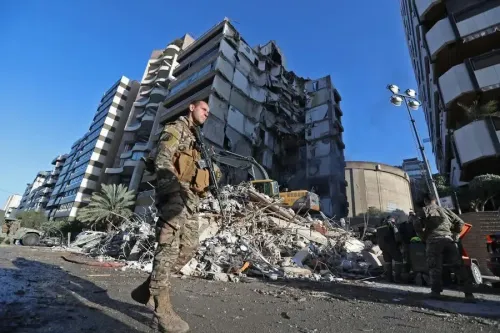
Lebanon's Public Health Emergency Operations Center reported that Israeli attacks between 2 March and 15 May killed 2,951 people and wounded 8,988 others. The current round of fighting began on 2 March, when Hezbollah fired rockets towards Israel without causing damage, prompting Israeli airstrikes and a ground invasion.
Core Demands Remain Far Apart
According to Israeli officials, the talks aim to disarm Hezbollah and establish formal ties with Lebanon. Israel is seeking to retain freedom to conduct air and ground operations against Hezbollah until a final agreement is reached. Lebanon, for its part, is demanding a full Israeli withdrawal from its territory, an end to Israeli strikes, and a halt to the destruction of border villages. The gap between the two positions remains wide, making the 45-day window a critical diplomatic test.
What Comes Next
With military talks at the Pentagon set for 29 May and political negotiations at the State Department scheduled for 2-3 June, the coming weeks will determine whether the extension translates into a durable framework or merely delays a return to open conflict. The ceasefire's fragility — underscored by ongoing strikes and counter-strikes — means the diplomatic calendar carries unusually high stakes.
Point of View
But the ground reality tells a different story: Israeli strikes reportedly killed nine people in southern Lebanon on the very day the extension was announced. The talks are structurally asymmetric — Israel wants to preserve military options while negotiating, Lebanon wants those options suspended first. That gap has not narrowed. The casualty figures from Lebanon's own health authorities — nearly 3,000 killed since 2 March — add a humanitarian urgency that the diplomatic calendar does not yet reflect. Whether the Pentagon and State Department meetings produce a framework or merely produce more meetings is the question that will define the next 45 days.
NationPress
5 Oct 2026
Frequently Asked Questions
Why has the Israel-Lebanon ceasefire been extended by 45 days?
The ceasefire has been extended to allow more time for diplomatic progress, according to the US State Department. Both sides held what officials described as 'highly productive' talks in Washington on 15-16 May, with military and political negotiations scheduled to continue in late May and early June.
When do the next Israel-Lebanon talks take place?
Military delegates are scheduled to hold parallel security talks at the Pentagon on 29 May, while political negotiations are set to resume at the US State Department on 2-3 June 2025.
Is the ceasefire holding on the ground?
Not fully. Despite the truce, Israeli strikes reportedly killed at least nine people and wounded dozens in southern Lebanon on 16 May. Hezbollah also said it targeted Israeli drones, troops, bulldozers, and a Merkava tank in several areas of the south.
How many people have been killed since the fighting resumed in March?
Lebanon's Public Health Emergency Operations Center reported that Israeli attacks between 2 March and 15 May killed 2,951 people and wounded 8,988 others. The current round of fighting began on 2 March when Hezbollah fired rockets towards Israel.
What are the main sticking points in the Israel-Lebanon negotiations?
Israel wants to retain the freedom to conduct air and ground operations against Hezbollah until a final deal is reached, and is seeking Hezbollah's disarmament and formal ties with Lebanon. Lebanon is demanding a full Israeli withdrawal from its territory, a halt to Israeli strikes, and an end to the destruction of border villages.