Lebanon-Israel ceasefire extended 45 days; UN urges full compliance
Synopsis
A 45-day extension of the Lebanon-Israel ceasefire buys diplomats more time — but Israeli strikes killed at least nine people in southern Lebanon on the same day the deal was announced. With 2,951 people killed since March alone, the gap between the negotiating table and the battlefield has rarely looked wider.
Key Takeaways
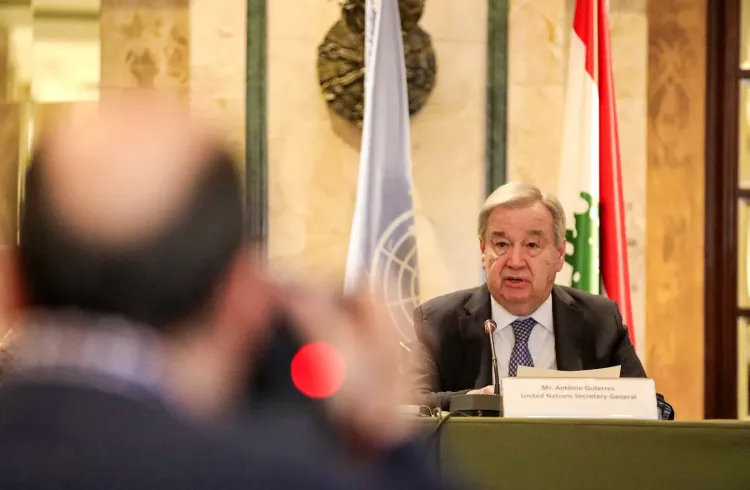
UN Secretary-General Antonio Guterres welcomed the 45-day extension of the Lebanon-Israel cessation of hostilities on 17 May .
The extension stretches the original April 16 ceasefire, announced by US State Department spokesman Tommy Piggott .
Political negotiations are scheduled at the US State Department on 2–3 June ; military security talks at the Pentagon on 29 May .
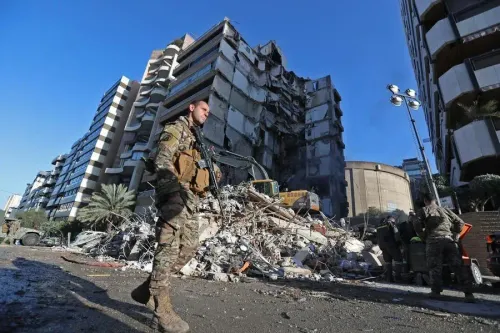
Israeli strikes killed at least 9 people and wounded dozens in southern Lebanon on Friday, despite the truce.
Lebanon's Public Health Emergency Operations Center says Israeli attacks from 2 March to 15 May killed 2,951 and wounded 8,988 .
The UN reaffirmed support for full implementation of Security Council Resolution 1701 , the post-2006 war framework.
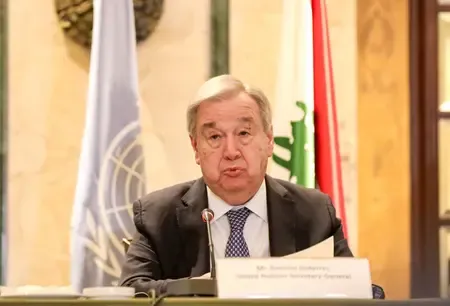
UN Secretary-General Antonio Guterres on 17 May welcomed the announcement of a 45-day extension of the cessation of hostilities between Lebanon and Israel, reaffirming the world body's support for all efforts to end the conflict and ease the suffering of communities on both sides of the Blue Line — the border demarcation established by the United Nations in 2000. The extension follows an April ceasefire that has been repeatedly tested by ongoing clashes on the ground.
Key Developments
The April 16 cessation of hostilities will be extended by 45 days to allow further diplomatic progress, according to US State Department spokesman Tommy Piggott, who announced the agreement in a post on X on Friday. Israel and Lebanon concluded their third round of direct talks on Thursday and Friday, which Piggott described as 'highly productive.'
Political negotiations between the two countries are scheduled to resume at the US State Department on 2–3 June, while military delegates are set to hold parallel security talks at the Pentagon on 29 May.
What the UN Said
'The secretary-general urges all actors to fully respect the cessation of hostilities, cease any further attacks and comply with their obligations under international law, including international humanitarian law, at all times,' the UN press office said in a note to correspondents.
The United Nations also reiterated its commitment to supporting diplomatic efforts toward the full implementation of Security Council Resolution 1701, the framework intended to resolve the 2006 Lebanon War fought between Hezbollah and Israel.
Violence Continues Despite Ceasefire
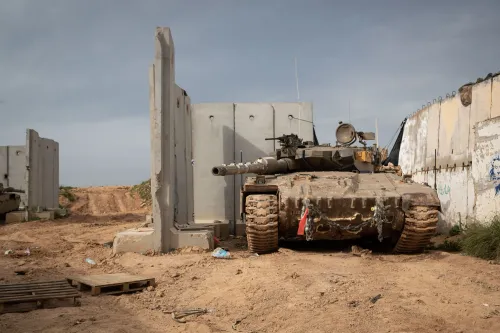
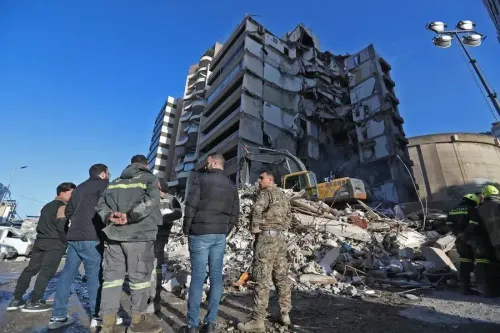
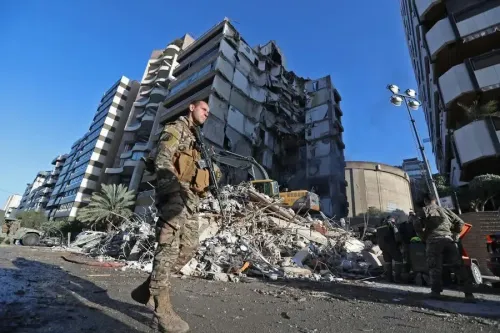
Despite the truce, hostilities have not ceased on the ground. Israeli strikes killed at least nine people and wounded dozens in southern Lebanon on Friday. Hezbollah, in turn, said it targeted Israeli drones, troops, military bulldozers, and a Merkava tank in several areas of southern Lebanon.
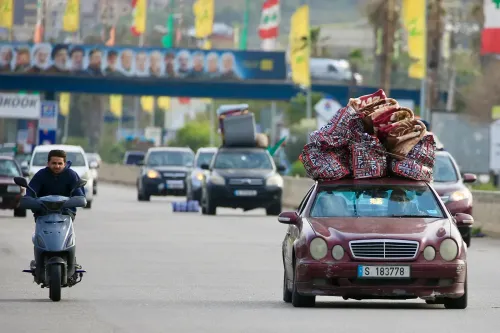
Lebanon's Public Health Emergency Operations Center reported that Israeli attacks between 2 March and 15 May killed 2,951 people and wounded 8,988 others — figures that underscore the scale of the humanitarian toll even as diplomats negotiate.
Who Represented the Two Sides
During the latest round of talks, Israel was represented by its ambassador to Washington, Yechiel Leiter, alongside senior security officials. Lebanon's delegation included its ambassador to Washington, Nada Hamadeh Mouawad, and former Lebanese ambassador to the United States Simon Karam.
What Comes Next
The dual-track diplomatic calendar — political talks in Washington and security talks at the Pentagon — signals a structured effort to convert the extended truce into a durable arrangement. Whether the fragile ceasefire can hold through the next 45 days, given continued strikes and counter-strikes, remains the central question for both sides and for UN peacekeepers deployed along the Blue Line.
Point of View
But it papers over a ceasefire that is not functioning as one — nine people were killed in southern Lebanon on the very day the extension was announced. Resolution 1701 has been the nominal framework for Lebanon-Israel stability since 2006; nearly two decades on, it remains unimplemented. The structured dual-track calendar, with political talks in Washington and security talks at the Pentagon, is a more serious architecture than previous rounds, but the asymmetry between negotiating progress and battlefield reality is stark. The humanitarian toll — nearly 3,000 dead since March — demands more than an extended pause.
NationPress
19 Sept 2026
Frequently Asked Questions
What is the 45-day Lebanon-Israel ceasefire extension?
It is an agreed prolongation of the April 16 cessation of hostilities between Lebanon and Israel, announced by US State Department spokesman Tommy Piggott on Friday. The extension is intended to allow further diplomatic progress toward a durable arrangement.
Why did the UN welcome the ceasefire extension?
UN Secretary-General Antonio Guterres welcomed the extension as part of the world body's support for all efforts to end hostilities and alleviate suffering on both sides of the Blue Line. The UN also reiterated its commitment to the full implementation of Security Council Resolution 1701.
What is Security Council Resolution 1701?
Resolution 1701 is a UN Security Council framework adopted after the 2006 Lebanon War between Hezbollah and Israel. It calls for a cessation of hostilities, the disarmament of armed groups, and the deployment of Lebanese army forces in southern Lebanon; it has not been fully implemented.
Are clashes still happening despite the ceasefire?
Yes. Israeli strikes killed at least nine people and wounded dozens in southern Lebanon on Friday, the same day the extension was announced. Hezbollah said it targeted Israeli drones, troops, military bulldozers, and a Merkava tank in several areas of southern Lebanon.
What are the next steps in Lebanon-Israel negotiations?
Political negotiations between Israel and Lebanon are scheduled at the US State Department on 2–3 June, while military delegates are set to hold parallel security talks at the Pentagon on 29 May. The third round of direct talks, held Thursday and Friday, was described as 'highly productive' by the US State Department.