CM Fadnavis: Pimpri-Chinchwad Police tops India with 3-min Dial 112 response
Synopsis
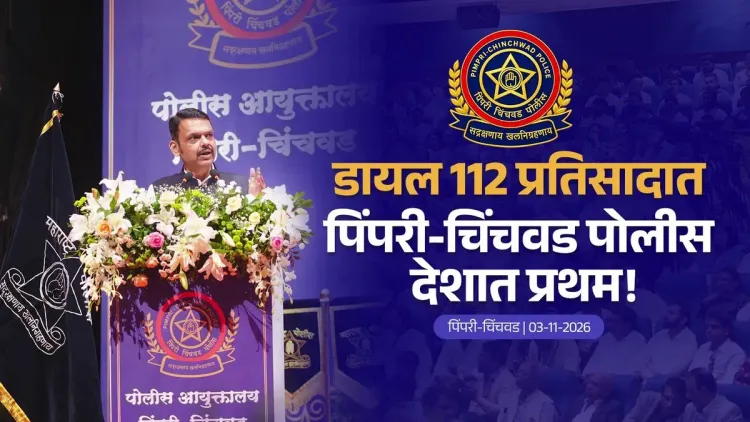
Maharashtra CM Devendra Fadnavis announced on 3 November 2026 that Pimpri-Chinchwad Police have achieved a 3-minute Dial 112 emergency response time, placing them first in India under the national ERSS framework — a milestone unveiled at a multi-project inauguration at the commissionerate.
Key Takeaways
Pimpri-Chinchwad Police have achieved a 3-minute Dial 112 emergency response time, ranking first in India nationally.
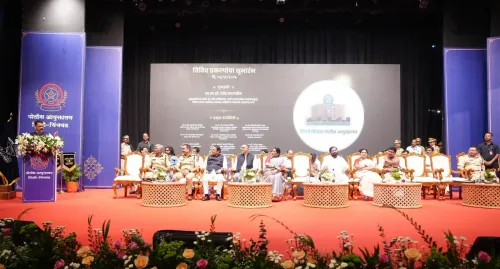
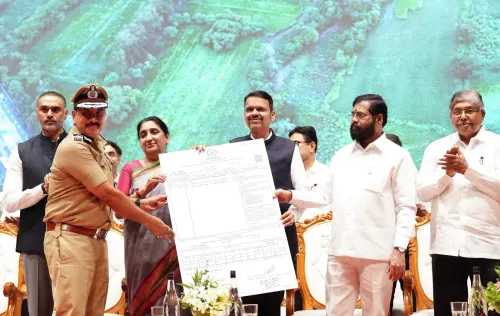
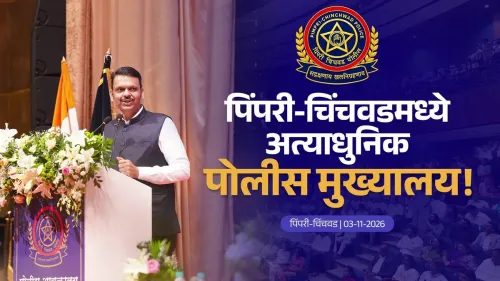
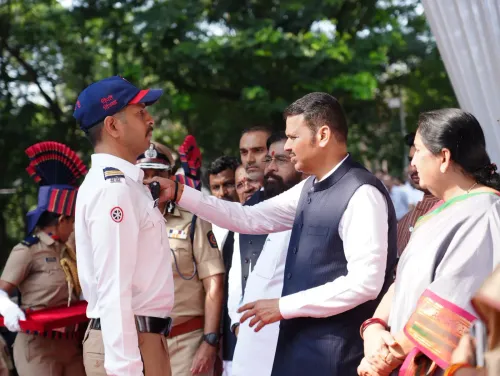
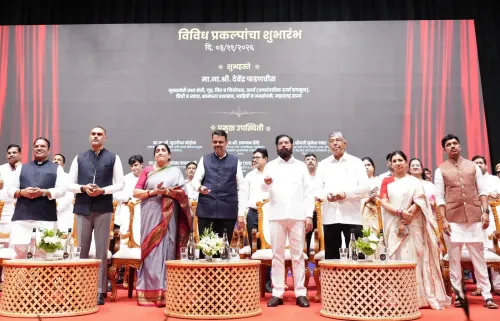
CM Devendra Fadnavis made the announcement on 3 November 2026 at the inauguration of multiple new projects at the Pimpri-Chinchwad Police Commissionerate .
Dial 112 operates under the Emergency Response Support System (ERSS) , a Ministry of Home Affairs initiative launched in phases from 2018-2019 .
Pimpri-Chinchwad is part of Maharashtra's broader push to deploy technology-driven policing in major urban centres, with GPS tracking and smart dispatch at the core.
The milestone sets a national benchmark that could pressure larger commissionerates — including Mumbai , Pune , and Nagpur — to accelerate their own response-time improvements.
Three minutes. That is now the average time it takes a Pimpri-Chinchwad police unit to reach an emergency caller — a benchmark that has placed the industrial-belt commissionerate at number one in India on Dial 112 response performance. Maharashtra Chief Minister Devendra Fadnavis announced the achievement on 3 November 2026 while inaugurating multiple projects at the Pimpri-Chinchwad Police Commissionerate in Pimpri-Chinchwad, Maharashtra.
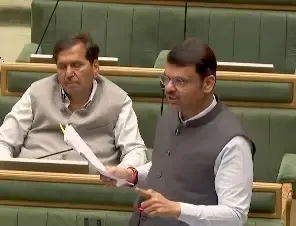
Posting in Marathi and Hindi, CM Fadnavis stated: 'डायल 112 ची प्रतिसाद वेळ 3 मिनिटांवर आणत पिंपरी-चिंचवड पोलीस देशात प्रथम क्रमांकावर पोहोचले आहेत' — 'By bringing the Dial 112 response time down to 3 minutes, the Pimpri-Chinchwad Police have reached first place in the country.'What Dial 112 is — and why response time is everything
Dial 112 is India's unified emergency helpline, integrating police, fire, and medical services under the Emergency Response Support System (ERSS), which the Ministry of Home Affairs rolled out in phases beginning 2018-2019. The entire architecture is built on one premise: every second between a distress call and boots on the ground determines whether a life is saved or a crime is stopped. A three-minute response time in a dense, high-traffic urban zone like Pimpri-Chinchwad — home to one of India's largest industrial corridors adjacent to Pune — is a logistically demanding standard to hit consistently.
National benchmarks set under the ERSS framework push urban commissionerates to cut response times through GPS-tracked patrol fleets, command-and-dispatch technology, and geo-fenced beat allocations. Pimpri-Chinchwad's claim to the top national rank signals that the commissionerate has translated those digital tools into measurable street-level speed.
Pimpri-Chinchwad Police Commissionerate's new project slate
The announcement came during the inauguration of 'various projects' at the Pimpri-Chinchwad Police Commissionerate — a multi-initiative launch that CM Fadnavis attended in person on 3 November 2026. The specific projects were not detailed in the post, but the occasion framed the Dial 112 response-time milestone as the headline achievement of a broader technology-and-infrastructure push at the commissionerate.
Maharashtra under successive state governments has pursued technology-driven policing upgrades across major urban centres, and Pimpri-Chinchwad — straddling heavy industrial zones and fast-growing residential pockets — has been a recurring focus of that effort. A first-place national ranking hands the commissionerate a replicable model that CM Fadnavis's government can now hold up as a template for other urban police bodies across the state.
What a national benchmark means for Maharashtra's other commissionerates
The signal from Pimpri-Chinchwad will be watched closely in larger commissionerates — Mumbai, Pune, Nagpur, Nashik — where emergency response times remain under public and political scrutiny. If a mid-size industrial-corridor force can clock three minutes at scale, the pressure mounts on bigger, more complex urban forces to close their own gaps.
For CM Fadnavis, a senior BJP leader whose governance pitch has consistently leaned on urban infrastructure and law-and-order credentials, the milestone lands as a concrete, quantifiable win — the kind that travels easily from a press event in Pimpri-Chinchwad to a statewide political narrative heading into future electoral cycles.
The stopwatch is now running — and every other police commissionerate in India knows the time to beat.
Point of View
More complex commissionerates like Mumbai and Pune — and whether the three-minute figure holds as the commissionerate scales further.
NationPress
4 Nov 2026
Frequently Asked Questions
What is Dial 112 in India?
Dial 112 is India's unified emergency helpline that integrates police, fire, and medical services under the Emergency Response Support System (ERSS), rolled out by the Ministry of Home Affairs in phases from 2018-2019.
Why is Pimpri-Chinchwad Police ranked first in India?
Pimpri-Chinchwad Police achieved a Dial 112 emergency response time of 3 minutes, the fastest in the country, earning the top national ranking under ERSS performance benchmarks as announced by CM Devendra Fadnavis on 3 November 2026.
What is the ERSS and who sets the response time benchmarks?
The Emergency Response Support System (ERSS) is a Ministry of Home Affairs initiative that sets national standards for emergency call response across states, using GPS-tracked patrol fleets and dispatch technology to measure urban police performance.
Where is Pimpri-Chinchwad and which police force covers it?
Pimpri-Chinchwad is a major industrial and residential city adjacent to Pune in Maharashtra, covered by its own independent Police Commissionerate — a force that manages law and order across one of India's densest industrial corridors.
What does a 3-minute emergency response time mean in practice?
It means that from the moment an emergency caller dials 112, a police unit physically reaches the location in an average of 3 minutes — a standard that requires GPS dispatch, optimised beat allocation, and real-time fleet management across the city.