Israel strikes 3 Hezbollah command centres in southern Lebanon
Synopsis
Within 48 hours of a US-brokered framework agreement meant to end the Israel-Hezbollah conflict, Israeli forces struck three Hezbollah command centres and destroyed a 200-metre underground tunnel packed with weapons in southern Lebanon — raising immediate doubts about whether the diplomatic deal can hold on the ground.
Key Takeaways
The IDF struck three Hezbollah command centres in southern Lebanon on 29 June , citing ceasefire violations.
An underground Hezbollah tunnel — over 200 metres long and 25 metres deep — was also destroyed in southwestern Lebanon, reportedly containing hundreds of weapons.
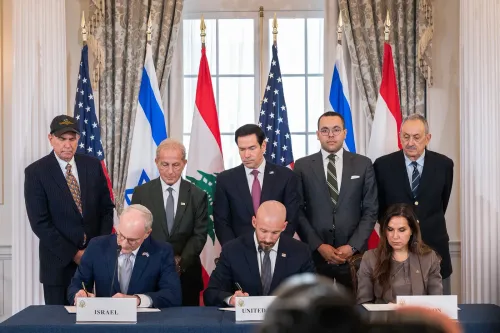
A US-mediated framework agreement between Israel and Lebanon was signed on 27 June in Washington, DC , calling for renewed ceasefire implementation.
Prime Minister Netanyahu claimed Israel has killed more than 9,000 Hezbollah militants and destroyed 90% of the group's 150,000-missile stockpile — figures not independently verified.
The agreement includes a pilot programme to disarm Hezbollah near the security zone's northern boundary and transfer control to the Lebanese army .
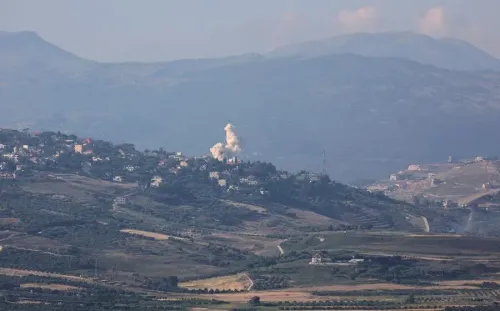
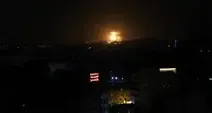
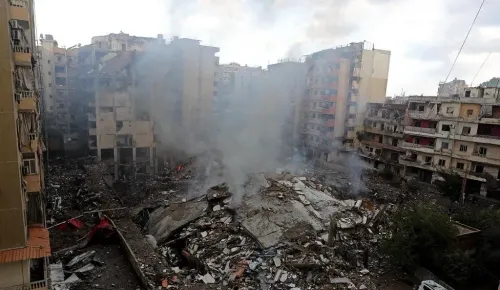
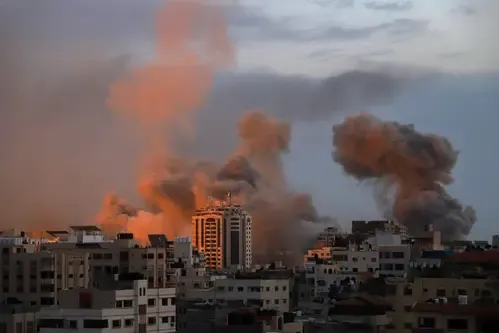
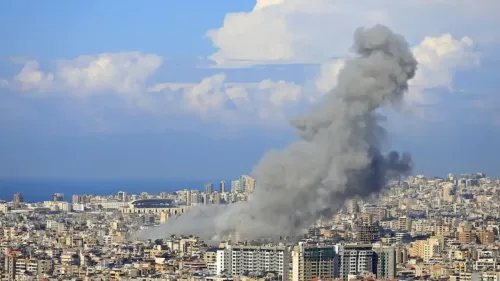
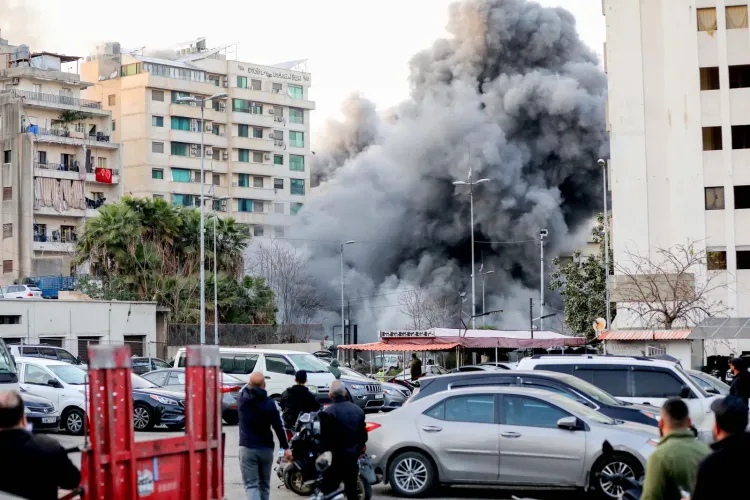
The Israeli Defence Force (IDF) on Monday, 29 June announced strikes on three Hezbollah command centres in southern Lebanon, citing repeated ceasefire violations by the militant group. The military also confirmed it had dismantled a launcher used by Hezbollah, in what marks an escalation despite a fragile US-brokered framework agreement signed just days earlier.
Key Developments on the Ground
In addition to the command centre strikes, the IDF said it had destroyed an underground Hezbollah tunnel in southwestern Lebanon. The tunnel, reportedly more than 200 metres long and 25 metres deep, contained hundreds of weapons and several launch shafts allegedly intended for attacks on Israeli territory and civilians, according to the military. These operations signal that ground-level hostilities have not ceased even as diplomatic frameworks are being negotiated at the highest levels.
What the Framework Agreement Says
A US-mediated framework agreement was signed on Friday, 27 June between Israel and Lebanon, following ambassador-level talks in Washington, DC. US Secretary of State Marco Rubio described it as a pathway to 'lasting peace and security.' The agreement calls for renewed implementation of the existing ceasefire and includes a pilot programme near the northern boundary of the Israeli security zone, where Hezbollah is to be dismantled and control transferred to the Lebanese army.
What Netanyahu Said
Speaking at a press conference in Jerusalem, Israeli Prime Minister Benjamin Netanyahu said the agreement 'strengthens Israel and Lebanon, and weakens Iran and Hezbollah,' calling it 'a sign of things to come.' He stated that under the agreement, both the United States and Lebanon recognise Israel's right to maintain the 'security zone' in southern Lebanon for as long as Israel deems necessary for its security. Netanyahu added that Israeli forces will hold that zone until Hezbollah and other organisations he described as 'terror' groups are fully disarmed.
Israel's Claimed Toll on Hezbollah
Netanyahu claimed that Israel has killed more than 9,000 Hezbollah militants since the start of the war and destroyed approximately 90 per cent of the group's stockpile of 150,000 missiles and rockets. These figures have not been independently verified. Notably, incidents between the two sides have continued unabated even after the framework agreement was signed on Friday, raising questions about its immediate enforceability.
What Happens Next
The pilot disarmament programme outlined in the framework is expected to serve as a test case for broader implementation. However, the continuation of strikes and ceasefire violations within 48 hours of the agreement's signing underscores the gap between diplomatic progress and on-the-ground reality. International observers and regional actors, including Iran, will be watching closely as the situation develops.
Point of View
Whatever its losses, has not been neutralised. The unverified claim of 9,000 militants killed deserves scrutiny; independent casualty verification in this conflict has been consistently impossible. More critically, a pilot disarmament programme that depends on Lebanese army deployment in Hezbollah-controlled terrain has failed before. The real question is not whether the framework was signed, but whether either side has the incentive to let it hold.
NationPress
28 Sept 2026
Frequently Asked Questions
Why did Israel strike Hezbollah command centres on 29 June?
The IDF said the strikes on three Hezbollah command centres in southern Lebanon were carried out in response to Hezbollah's violations of the existing ceasefire agreement. The strikes came despite a US-brokered framework agreement signed just two days earlier.
What is the Israel-Lebanon framework agreement signed on 27 June?
It is a US-mediated agreement signed at the conclusion of ambassador-level talks in Washington, DC, aimed at achieving lasting peace and security between Israel and Lebanon. The deal calls for renewed ceasefire implementation, recognition of Israel's security zone in southern Lebanon, and a pilot programme to disarm Hezbollah and transfer territory to the Lebanese army.
What did Israel find in the Hezbollah tunnel it destroyed?
The IDF said the underground tunnel in southwestern Lebanon was more than 200 metres long and 25 metres deep, and contained hundreds of weapons along with several launch shafts allegedly intended for attacks on Israeli territory and civilians.
What has Netanyahu claimed about Israel's military gains against Hezbollah?
Prime Minister Netanyahu claimed Israel has killed more than 9,000 Hezbollah militants since the war began and destroyed roughly 90 per cent of the group's stockpile of 150,000 missiles and rockets. These figures have not been independently verified.
What happens next under the framework agreement?
The agreement includes a pilot disarmament programme near the northern boundary of Israel's security zone in southern Lebanon, where Hezbollah is to be dismantled and control handed to the Lebanese army. Broader implementation will depend on whether the ceasefire holds, which remained in doubt following the 29 June strikes.