IDF dismantles Hezbollah tunnel network under Beaufort Ridge in south Lebanon
Synopsis
The IDF has dismantled a decades-old Hezbollah tunnel network beneath the Beaufort Ridge in southern Lebanon — a multi-level command hub built over 20 years, uncovered just days before US-brokered Israel-Lebanon peace talks open in Rome. The timing puts military facts on the ground squarely in the frame of a fragile diplomatic process.
Key Takeaways
The IDF dismantled several key underground tunnels beneath the Beaufort Ridge in southern Lebanon on 31 July .
The tunnel network spanned multiple underground levels built over two decades and served as a Hezbollah command centre.
A separate tunnel near a UNIFIL building — approximately 300 metres away — was dismantled earlier in the week; it was 55 metres long with 3 living quarters .
Weapons including Kalashnikov rifles , anti-tank missiles , RPGs, and mortar shells were recovered in Majdal Zoun and the Security Zone.
US-brokered Israel-Lebanon peace talks are scheduled in Rome from 4 to 6 August , focusing on border disputes and a pilot zone expansion.
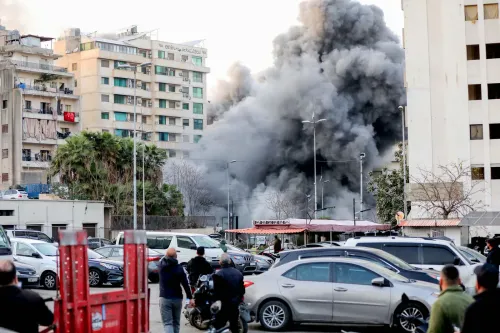
The Israel Defence Forces (IDF) on Friday, 31 July announced that it has dismantled several key underground tunnels beneath the Beaufort Ridge in southern Lebanon, describing the network as a central command hub used by Hezbollah to direct fire at Israeli soldiers and civilians. The disclosure comes days before a fresh round of US-brokered peace talks between Israel and Lebanon scheduled in Rome from 4 to 6 August.
What the IDF Found at Beaufort Ridge
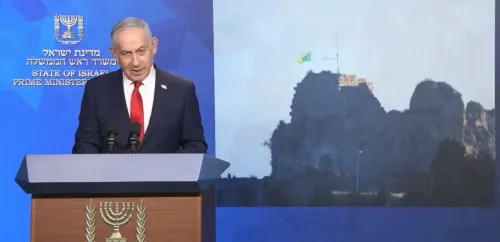
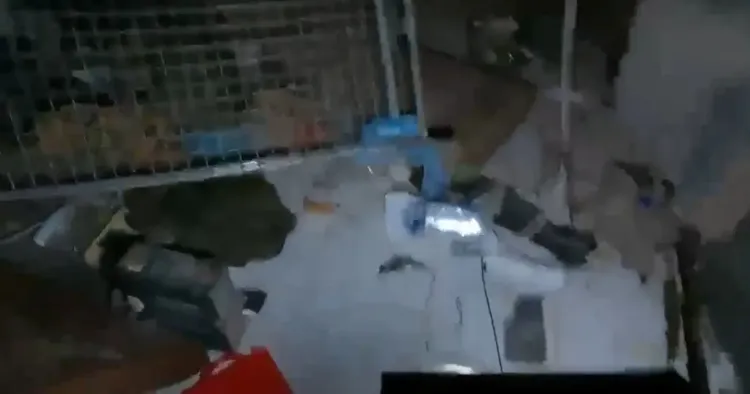
According to the IDF, the tunnel network beneath the Beaufort Ridge spanned several underground levels and had been constructed over the course of two decades. The IDF described it as 'a strategic Hezbollah stronghold' from which the group coordinated attacks against both military personnel and Israeli civilians.
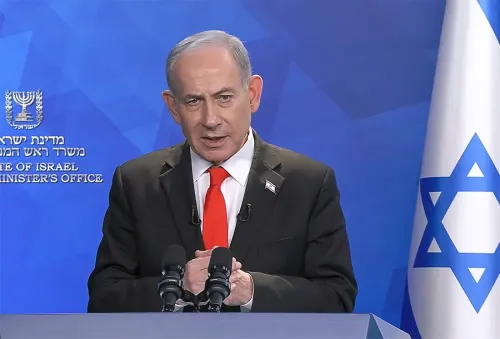
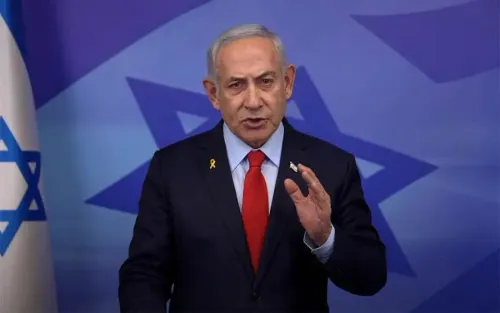
In a post on X sharing footage of the tunnels, the IDF stated that the network 'served as a central command center from which Hezbollah terrorists directed fire toward IDF soldiers and Israeli civilians.'
Weapons Cache Discovered in Majdal Zoun
In a separate operation, IDF troops uncovered a significant weapons cache in the area of Majdal Zoun, embedded within civilian infrastructure. The haul included Kalashnikov rifles, magazines, ammunition, grenades, explosives, explosive devices, anti-tank missiles, and mortar shells. Troops also dismantled structures that had reportedly been used by Hezbollah in the same area.
Earlier Tunnel Dismantled Near UNIFIL Post
On the preceding Wednesday, the IDF had disclosed the dismantling of another underground tunnel located approximately 300 metres from a United Nations Interim Force in Lebanon (UNIFIL) building, concealed beneath a factory producing construction materials. That tunnel was roughly 55 metres long, contained three living quarters, and was connected to an underground shaft holding dozens of weapons, according to the IDF statement.
Additionally, IDF soldiers identified a suspect in the Ras Bayada area who, according to the military, 'approached the soldiers in a manner that posed a threat to them,' prompting troops to open fire. Separately, soldiers recovered Kalashnikov rifles, rocket-propelled grenades (RPGs), explosive devices, grenades, and additional military equipment in the Security Zone.
Rome Talks and the Diplomatic Backdrop
The military operations are unfolding against a charged diplomatic backdrop. Technical teams from Israel and Lebanon are set to meet in Rome from 4 to 6 August under US mediation, with discussions centred on expanding a pilot zone in southern Lebanon, resolving outstanding border disputes, and advancing a comprehensive peace and security agreement.
A State Department official noted that the talks carry 'significant momentum' following the launch of the first pilot zone in southern Lebanon and a recent meeting between Lebanese President Aoun and US President Trump. 'In Rome, technical groups will focus on advancing the full implementation of the framework agreement,' the official said. 'That includes expanding the pilot zone process, resolving all outstanding border issues, and working on a comprehensive peace and security agreement.'
What Comes Next
The Rome talks represent the most structured diplomatic engagement between the two neighbours in recent months, with the United States playing an active brokering role. Whether the IDF's ongoing dismantling operations in southern Lebanon will complicate or strengthen Beirut's negotiating position remains a central question heading into the 4 August meetings.
Point of View
The IDF is framing the negotiation around a structural Hezbollah presence that a ceasefire framework alone cannot dissolve. The proximity of another dismantled tunnel to a UNIFIL post raises pointed questions about the effectiveness of the UN force's monitoring mandate. For Lebanon's delegation heading to Rome, each IDF disclosure tightens the space between sovereignty and security guarantees — a tension that US mediators will need to navigate carefully if the pilot-zone framework is to hold.
NationPress
15 Sept 2026
Frequently Asked Questions
What did the IDF find beneath the Beaufort Ridge in southern Lebanon?
The IDF dismantled several key underground tunnels beneath the Beaufort Ridge in southern Lebanon on 31 July, describing the network as a multi-level Hezbollah command centre built over two decades. The tunnels were used to direct fire at IDF soldiers and Israeli civilians, according to the IDF.
How close was one of the tunnels to a UNIFIL building?
One tunnel dismantled earlier in the week was located approximately 300 metres from a UNIFIL building, concealed beneath a factory producing construction materials. The tunnel was about 55 metres long, contained three living quarters, and was connected to a shaft holding dozens of weapons.
What weapons were recovered in the Majdal Zoun area?
IDF troops recovered Kalashnikov rifles, magazines, ammunition, grenades, explosives, explosive devices, anti-tank missiles, and mortar shells in the Majdal Zoun area, all found within civilian infrastructure. Structures used by Hezbollah in the same area were also dismantled.
What are the Rome talks between Israel and Lebanon about?
Technical teams from Israel and Lebanon are set to meet in Rome from 4 to 6 August under US mediation. The discussions focus on expanding a pilot zone in southern Lebanon, resolving outstanding border disputes, and advancing a comprehensive peace and security agreement based on a framework signed by both countries.
What is the significance of the timing of these IDF operations?
The IDF operations are taking place just days before the US-brokered Rome talks, adding military pressure to an already delicate diplomatic process. A State Department official said the talks carry 'significant momentum' following the launch of the first pilot zone and a meeting between Lebanese President Aoun and US President Trump.