Netanyahu: Israel will keep destroying Hezbollah infrastructure in Lebanon security zone
Synopsis
Netanyahu has declared 'another massive victory' over Hezbollah after destroying key strongholds on Beaufort Ridge and Ali al-Taher Ridge, vowing to continue dismantling terrorist infrastructure in the Lebanese security zone — even as Israeli and Lebanese officials pursue a seventh round of diplomatic talks in Rome. The military-diplomatic tension is at its sharpest point in months.
Key Takeaways
Israeli PM Benjamin Netanyahu declared victory over Hezbollah on 14 September 2026 , citing destruction of strongholds on Beaufort Ridge and Ali al-Taher Ridge .
Netanyahu vowed to 'continue to destroy terrorist infrastructure in the security zone in Lebanon ' and warned enemies of 'heavier blows' if attacked again.
Lebanese President Joseph Aoun reported 'positive progress' on border and prisoner issues during the latest Rome negotiations on 7 August .
The Rome talks were the seventh round of Israel-Lebanon negotiations, opposed by Hezbollah , based on a framework agreed in Washington in late June.
US General Joseph Clearfield is expected in Beirut to follow up on unresolved ceasefire and pilot-area issues.
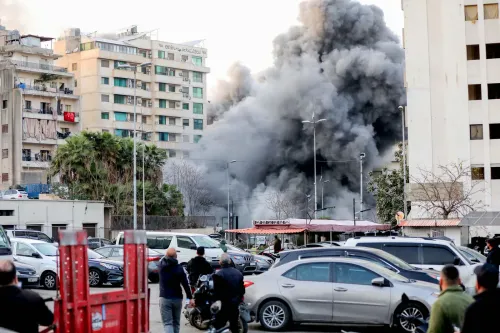
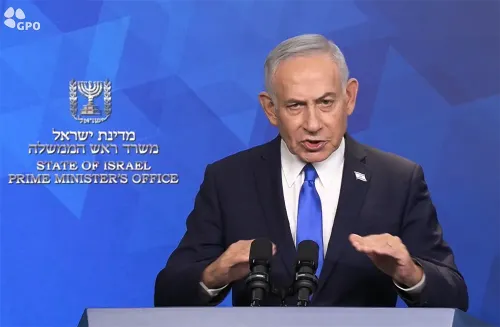
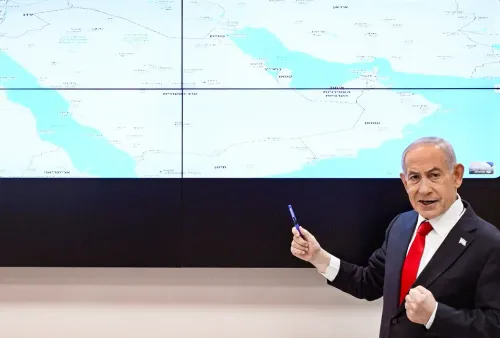
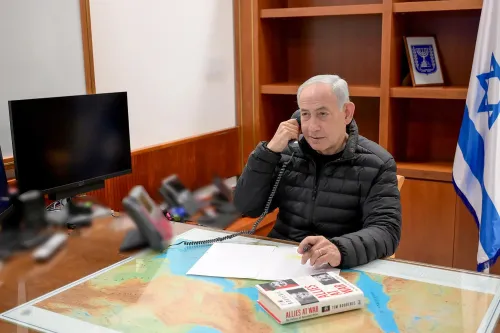
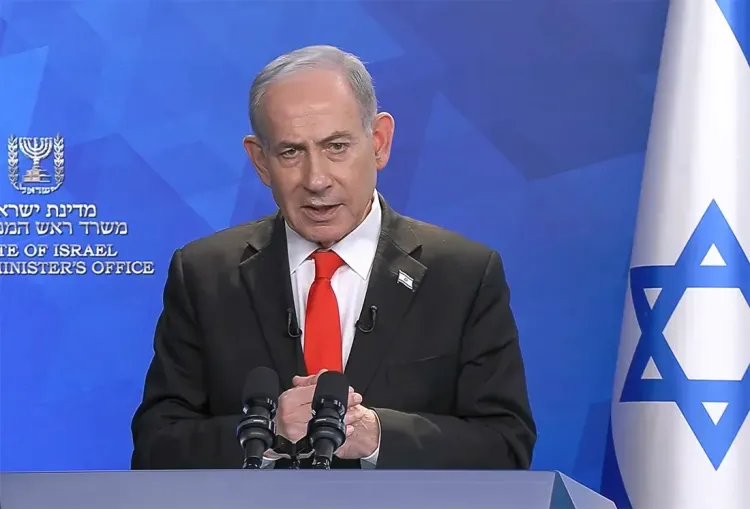
Israeli Prime Minister Benjamin Netanyahu declared on Monday, 14 September 2026, that Israel has achieved 'another massive victory' over Hezbollah and that operations to destroy terrorist infrastructure inside the security zone in Lebanon will continue. The statement, posted on social media platform X by the Office of the Prime Minister of Israel, followed the reported destruction of key Hezbollah positions along two strategic ridgelines.
Key Developments on the Ground
According to the prime minister's office, Israeli forces destroyed Hezbollah's 'major terrorist stronghold' on Beaufort Ridge and Ali al-Taher Ridge. 'We have achieved another massive victory over Hezbollah: We have destroyed its major terrorist stronghold on the Beaufort Ridge and the Ali al-Taher Ridge,' the statement read. Netanyahu added a direct warning to adversaries: 'If you haven't learned the lesson by now, and you choose to attack us again, you will suffer even heavier blows.'
Israel's Stated Policy in the Security Zone
Netanyahu's office was unambiguous about the scope of future operations: 'Our policy is clear: We will continue to destroy terrorist infrastructure in the security zone in Lebanon. We will continue to remove any threat to the State of Israel.' The remarks signal that Israel views its presence and operations in the Lebanese security zone as an ongoing mission rather than a discrete campaign. This is the latest in a series of Israeli declarations asserting the right to act inside Lebanese territory against what it designates as militant infrastructure.
Lebanon-Israel Talks: Progress and Friction
The statement comes against the backdrop of active diplomatic engagement. Last month, Lebanese President Joseph Aoun said that progress had been made on border issues and the return of prisoners during negotiations between Lebanon and Israel held in Rome. Speaking at a Cabinet session on 7 August, Aoun said the Rome talks addressed four main issues: a ceasefire, the demolition and bulldozing of houses, the border, and the return of prisoners and the identification of pilot areas, according to a statement from the Lebanese presidency.
Aoun said 'positive progress' had been made on the border and prisoners' issues and expressed hope that practical steps would emerge soon. He noted that the US administration would work to address the remaining issues — specifically the ceasefire and pilot areas — and that US General Joseph Clearfield would arrive in Beirut soon to follow up on these matters.
Seventh Round of Talks, Hezbollah Opposition
The Rome discussions were the seventh round of negotiations between the two governments, according to reports, and followed three days of talks between Israeli and Lebanese officials. The framework being discussed reportedly stems from a broader agreement reached in Washington in late June. Notably, Hezbollah has opposed these talks, adding a layer of complexity to any eventual implementation. The dual track of military operations and diplomatic negotiations reflects an increasingly contested dynamic along the Israel-Lebanon frontier.
What Comes Next
With General Clearfield expected in Beirut and both sides reporting incremental diplomatic progress, the immediate question is whether military escalation will outpace the negotiating track. Netanyahu's language — 'there is still work to complete' — suggests Israel does not regard its current operational phase as concluded. How Hezbollah responds to the loss of the Beaufort and Ali al-Taher positions, and whether the diplomatic framework survives further strikes, will define the near-term trajectory of the conflict.
Point of View
Even as the seventh round of Lebanon-Israel talks posts incremental gains. The simultaneous destruction of Hezbollah ridgeline positions and the Rome negotiating process reveal a calculated Israeli strategy: shape the security zone militarily while engaging diplomatically just enough to retain US backing. The risk is that continued strikes give Hezbollah a pretext to exit the ceasefire framework entirely, collapsing what fragile progress Beirut and Jerusalem have managed. The question mainstream coverage misses is whether the Washington framework can survive Israeli operational tempo — and what the US is prepared to do if it cannot.
NationPress
14 Sept 2026
Frequently Asked Questions
What did Netanyahu say about Israel's operations in Lebanon?
Netanyahu declared that Israel had achieved 'another massive victory' over Hezbollah by destroying major strongholds on Beaufort Ridge and Ali al-Taher Ridge. He said Israel would continue destroying terrorist infrastructure in the security zone in Lebanon and warned enemies of heavier blows if they attacked again.
What is the security zone in Lebanon that Netanyahu referred to?
The security zone refers to a strip of Lebanese territory along the Israel-Lebanon border where Israel has been conducting military operations against Hezbollah infrastructure. Israel regards the zone as essential to preventing militant threats to its territory.
What is the current status of Israel-Lebanon diplomatic talks?
The two sides completed their seventh round of negotiations in Rome, focused on a ceasefire, border demarcation, demolition of structures, and the return of prisoners. Lebanese President Joseph Aoun reported positive progress on border and prisoner issues, with the US expected to help resolve the remaining ceasefire and pilot-area questions.
Who is US General Joseph Clearfield and what is his role?
US General Joseph Clearfield is a senior American military official expected to travel to Beirut to follow up on unresolved issues from the Israel-Lebanon talks, specifically the ceasefire terms and the designation of pilot areas. His visit underscores the active US role in brokering the diplomatic framework.
Why does Hezbollah oppose the Israel-Lebanon negotiations?
Hezbollah has opposed the talks because they are conducted directly between the Israeli and Lebanese governments and are based on a framework agreed in Washington, which Hezbollah views as reflecting Israeli and US interests rather than Palestinian or resistance-axis priorities.