Israel-Lebanon framework deal signed, Netanyahu says peace agreement within reach
Synopsis
A US-brokered framework agreement between Israel and Lebanon, signed in Washington on 27 June, has Benjamin Netanyahu declaring a path to formal peace — while Israel retains its southern Lebanon ‘security zone’ and a pilot Hezbollah disarmament programme gets underway. The deal is the most concrete diplomatic step since the fragile ceasefire, but its durability hinges on Lebanese enforcement and Iran’s response.
Key Takeaways
Israel and Lebanon signed a US-mediated framework agreement on 27 June in Washington, D.C.
PM Netanyahu said the deal paves the way for a formal peace agreement and weakens Iran and Hezbollah .
The framework recognises Israel’s right to maintain a ‘security zone’ in southern Lebanon until security threats are removed.
A pilot disarmament programme will be launched in two areas near the security zone, with control transferred to the Lebanese army .
Netanyahu claimed Israel has killed more than 9,000 Hezbollah militants and destroyed 90% of the group’s 150,000-missile stockpile — figures not independently verified.
US Secretary of State Marco Rubio described the signing as ‘a good day’ and a step toward lasting peace and security.
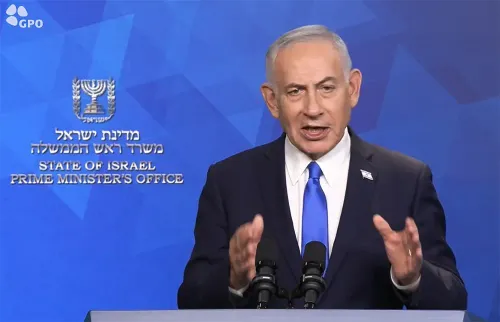
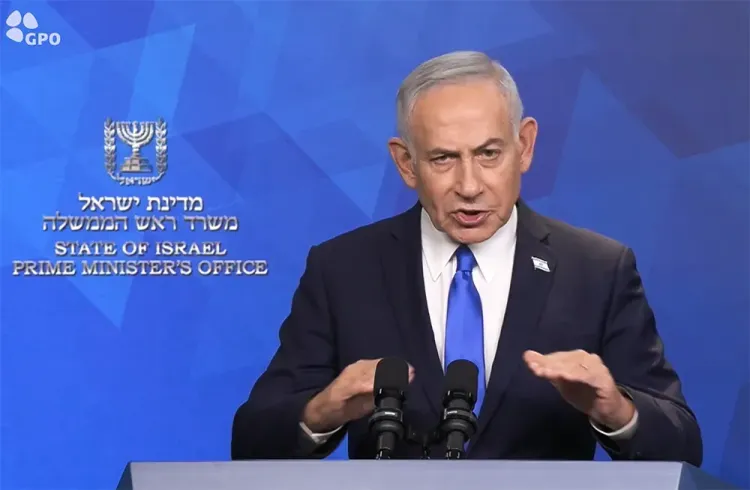
Israeli Prime Minister Benjamin Netanyahu on Saturday, 28 June declared that a US-mediated framework agreement signed the previous day between Israel and Lebanon clears the path toward ending the ongoing conflict and eventually forging a formal peace deal between the two nations. The announcement came at a press conference in Jerusalem, marking one of the most significant diplomatic developments in the region in months.
What Netanyahu Said
Speaking to reporters, Netanyahu described the agreement as a net strategic gain for both Israel and Lebanon, while framing it as a setback for regional adversaries. “This agreement strengthens Israel and Lebanon, and weakens Iran and Hezbollah. This is a sign of things to come,” he said.
Netanyahu added that under the terms of the framework, both the United States and Lebanon formally recognise Israel’s right to maintain a ‘security zone’ in southern Lebanon for as long as Israeli security requirements demand it. He stated that the Israeli military will continue to hold that zone until Hezbollah and other organisations it designates as ‘terror’ groups are disarmed.
Pilot Disarmament Programme Near Security Zone
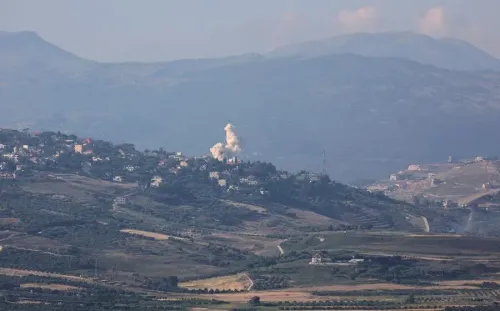
A notable element of the framework is a pilot disarmament programme covering two areas near the northern boundary of the security zone, identified by the Israeli military. Under the pilot, Hezbollah’s infrastructure in those areas would be dismantled and control transferred to the Lebanese army. If successful, the model could be extended further north, though no timeline has been publicly confirmed.
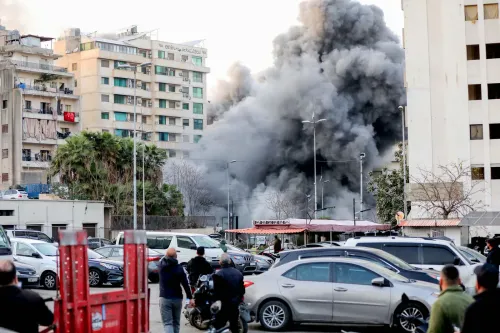
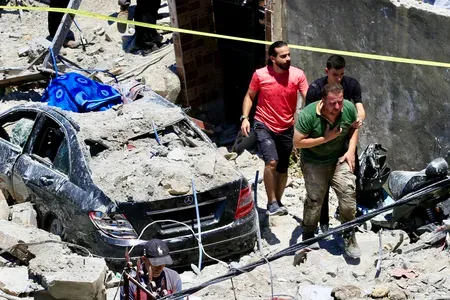
Netanyahu also claimed that Israel has killed more than 9,000 Hezbollah militants since the war began and destroyed approximately 90 percent of the group’s stockpile of 150,000 missiles and rockets. These figures have not been independently verified.
What the US Said
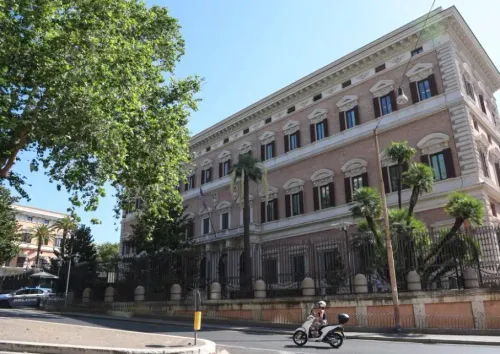
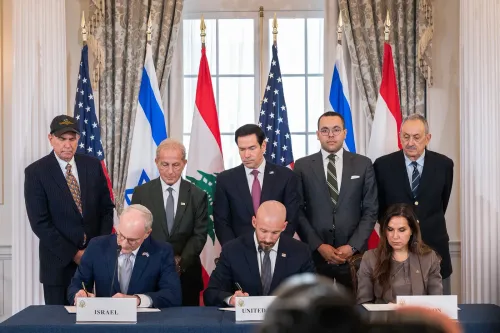
The framework was signed at the conclusion of the latest round of ambassador-level talks in Washington, D.C. on Friday, 27 June. US Secretary of State Marco Rubio announced the agreement at the signing ceremony, calling it a milestone for regional stability.
“Today is a good day in that we are happy to announce the – a framework agreement between the sovereign Government of Lebanon and of course the Government of Israel, with the mediation and support of the United States of America, that begins to put in place a framework for lasting peace and security. And that’s what these two nations deserve,” Rubio said.
Scope and Objectives of the Framework
The agreement broadly aims to restore Lebanese sovereignty, dismantle Hezbollah’s military infrastructure, and enable Israeli forces to withdraw to their recognised borders once security threats are assessed as neutralised. It also calls for renewed implementation of a fragile ceasefire between the two countries that had been agreed upon earlier but remained contested on the ground.
This comes amid sustained international pressure on both sides to move beyond the ceasefire phase toward a more durable political settlement. Notably, the framework stops short of a full peace treaty — that, according to Netanyahu, remains the longer-term goal contingent on security conditions being met.
What Comes Next
The immediate focus will be on whether the pilot disarmament programme in southern Lebanon gains traction, and whether the Lebanese government — which has historically had limited control over Hezbollah’s military wing — can enforce the framework’s terms. Analysts will also watch whether Iran, which Netanyahu identified as weakened by the deal, responds with pressure on Hezbollah to resist implementation. The durability of the agreement will depend heavily on ground-level compliance and continued US engagement.
Point of View
But its architecture rests on a shaky assumption: that the Lebanese state can enforce disarmament on Hezbollah, an organisation that has operated as a state-within-a-state for decades. Netanyahu’s framing — that the deal weakens Iran — is politically useful domestically but glosses over the fact that Hezbollah’s political wing remains deeply embedded in Lebanese governance. The pilot disarmament programme in two areas is a sensible incremental step, but two zones do not equal strategic rollback. What this agreement buys, more than anything else, is time — and whether that time is used to build durable institutions or simply delay the next escalation will define its legacy.
NationPress
26 Sept 2026
Frequently Asked Questions
What is the Israel-Lebanon framework agreement signed on 27 June?
It is a US-mediated diplomatic framework signed between Israel and Lebanon in Washington, D.C. on 27 June, aimed at establishing lasting peace and security. The deal calls for Hezbollah’s disarmament, restoration of Lebanese sovereignty, and Israeli military withdrawal once security threats are removed.
What did Netanyahu say about the framework agreement?
Netanyahu said the agreement strengthens both Israel and Lebanon while weakening Iran and Hezbollah, calling it ‘a sign of things to come.’ He confirmed Israel will retain its southern Lebanon security zone until Hezbollah and other designated groups are disarmed.
What is the pilot disarmament programme under the framework?
The framework includes a pilot programme in two areas near the northern boundary of Israel’s security zone in southern Lebanon, where Hezbollah infrastructure will be dismantled and control handed to the Lebanese army. It is designed as a model that could be extended if successful.
What did US Secretary of State Marco Rubio say at the signing?
Rubio described the signing as ‘a good day,’ announcing the framework as one that begins to put in place the conditions for lasting peace and security between the sovereign governments of Lebanon and Israel, with US mediation and support.
What happens next after the framework agreement is signed?
The immediate focus shifts to implementation — particularly whether the pilot disarmament programme gains traction and whether the Lebanese government can enforce terms against Hezbollah. Continued US engagement and Iran’s response will be critical factors in determining whether the framework holds.