Israel orders military to stay in southern Lebanon security zone indefinitely
Synopsis
A day after signing a US-brokered withdrawal framework, Israel's defence minister declared the military will stay in southern Lebanon's security zone indefinitely — until Hezbollah is disarmed across all of Lebanon. With no withdrawal timeline in the agreement and a maximalist condition attached, Israel has effectively turned a ceasefire deal into an open-ended occupation mandate.
Key Takeaways
Defence Minister Israel Katz ordered the Israeli military on 27 June to prepare for an extended, indefinite stay in the southern Lebanon security zone .
Israel will not withdraw until Hezbollah is fully disarmed across all of Lebanon — a condition Hezbollah has shown no sign of accepting.
The security zone extends approximately 10 kilometres into Lebanese territory and was established during the 2024–2025 war with Hezbollah.
The announcement came one day after Lebanon and Israel signed a US-sponsored framework agreement for a gradual withdrawal — but with no fixed timetable .
Katz warned Iran against interfering, threatening to act 'with great force' if Tehran attempts to disrupt the agreement's implementation.
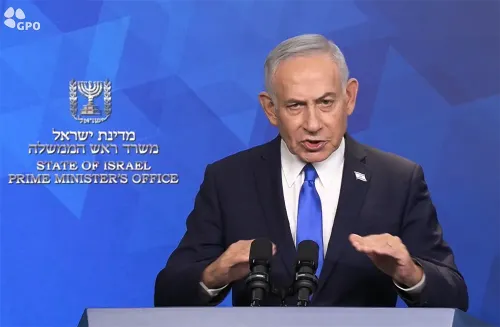
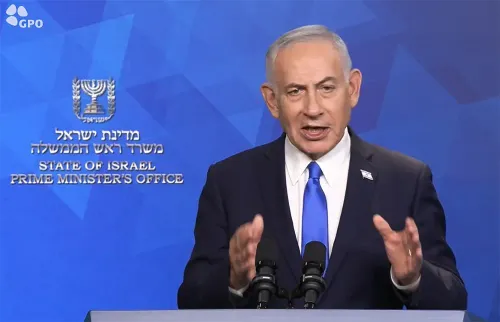
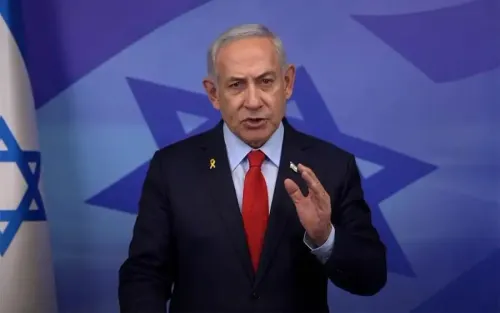
Prime Minister Benjamin Netanyahu had separately stated Israel would remain in southern Lebanon 'as long as necessary' to secure its northern communities.
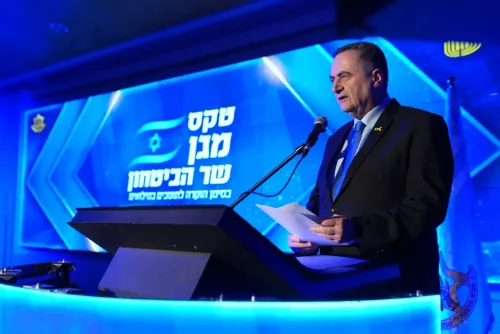
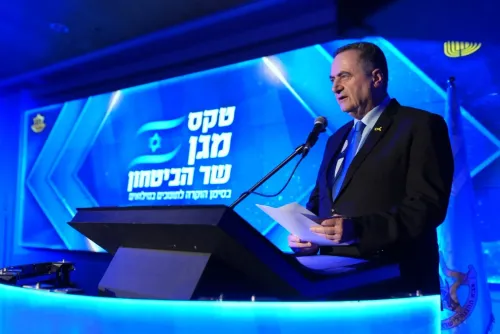
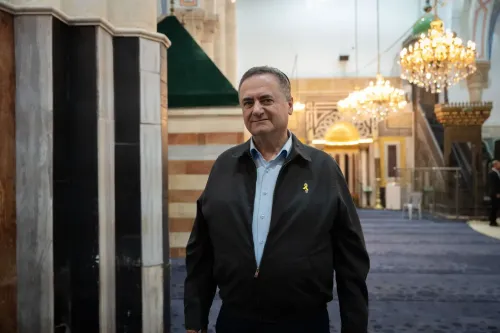
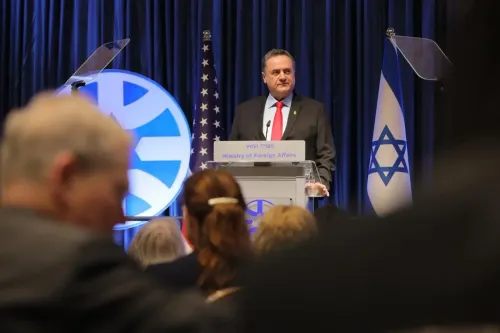
Israeli Defence Minister Israel Katz announced on Saturday, 27 June that he and Prime Minister Benjamin Netanyahu have directed the Israeli military to prepare for an extended, open-ended presence in the 'security zone' in southern Lebanon — defying international calls for a full withdrawal and complicating a freshly signed US-brokered framework agreement. The declaration signals that Israel has no intention of pulling back its forces until Hezbollah is fully disarmed across all of Lebanon.
What Katz Said
In a video statement released by his office, Katz said the army 'will continue to station forces in the security zone in southern Lebanon, including the Shqeif area, and will not withdraw before Hezbollah is disarmed across all of Lebanon.'
He underscored what he called an 'important principle' of the agreement: 'There will be no redeployment by Israel in southern Lebanon, no withdrawal, as long as the terrorist organisation Hezbollah is not disarmed throughout Lebanon.' Earlier this week, both Netanyahu and Katz had addressed a graduation ceremony for combat officers, where they ruled out any full Israeli withdrawal, with Katz stating the military would remain in security zones 'without any time limit.'
The Security Zone and Shqeif
The security zone is a buffer strip extending approximately 10 kilometres (six miles) inside Lebanese territory along the border. It was established during the latest war with Hezbollah in 2024 and 2025 and has been expanded following intensified Israeli operations since 2 March.
The Shqeif area is among southern Lebanon's most strategically significant locations, positioned on elevated terrain near a bend in the Litani River. It overlooks large swathes of southern Lebanon and the Galilee region in northern Israel, making it a critical vantage point for Israeli military planners.
The US-Brokered Framework Agreement
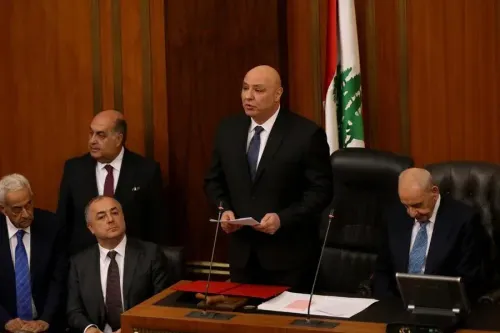
Katz's announcement came just one day after Lebanon and Israel signed a US-sponsored framework agreement stipulating a gradual Israeli withdrawal from Lebanese territory, beginning with two unnamed pilot areas. Notably, the agreement sets no fixed timetable for withdrawal and conditions any pullback on the Lebanese army assuming full security control over evacuated areas and the disarmament of all non-state armed groups — specifically referencing Hezbollah.
This is the outcome of the fourth round of US-mediated talks, which produced a conditional ceasefire framework tied to Hezbollah halting attacks and withdrawing operatives from areas south of the Litani River. The absence of a withdrawal deadline gives Israel considerable leverage to prolong its presence indefinitely under the agreement's own terms.
Warning to Iran
Katz also issued a direct warning to Iran, stating: 'If Iran attempts to attack Israel to prevent implementation of the agreement between Israel and Lebanon, we will act against it with great force and demonstrate the gap in capabilities between us.' The threat echoes recent statements from Israeli leadership, with Netanyahu saying Israel would remain in southern Lebanon 'as long as necessary' to protect its northern border communities.
Diplomatic Outlook
Israel's declared position puts it on a collision course with broader regional diplomatic efforts to reduce tensions along the Israel-Lebanon border. Questions over Israeli troop deployments, Hezbollah's future role, and durable security arrangements remain unresolved. With no timeline for withdrawal and a maximalist disarmament condition attached, analysts warn the security zone could become a permanent fixture — much as it was during Israel's earlier occupation of southern Lebanon from 1985 to 2000. The coming weeks will test whether US mediators can bridge the gap between Israel's stated conditions and Lebanon's sovereignty concerns.
Point of View
A condition no Lebanese government has the capacity or political will to enforce, Israel has effectively set a bar that cannot be cleared. This echoes its earlier occupation of southern Lebanon from 1985 to 2000, which also began as a 'security zone' and lasted fifteen years. The absence of a withdrawal deadline in the framework agreement is not an oversight; it is the architecture of indefinite presence. Whether Washington presses back or accepts this interpretation will define the agreement's real value.
NationPress
26 Sept 2026
Frequently Asked Questions
Why is Israel refusing to withdraw from southern Lebanon?
Israel has conditioned any withdrawal on the full disarmament of Hezbollah across all of Lebanon — a bar its defence minister described as non-negotiable. Defence Minister Israel Katz stated on 27 June that the military will remain in the security zone 'without any time limit' until that condition is met.
What is the security zone in southern Lebanon?
It is a buffer strip approximately 10 kilometres deep inside Lebanese territory along the Israel-Lebanon border, established during the 2024–2025 war with Hezbollah and expanded after intensified Israeli operations from 2 March 2025. The Shqeif area, a strategically elevated position near the Litani River, is one of its key locations.
What does the US-brokered framework agreement say about withdrawal?
The agreement, signed on 26 June, calls for a gradual Israeli withdrawal beginning with two unnamed pilot areas. However, it sets no fixed timetable and links any pullback to the Lebanese army assuming full security control and the disarmament of all non-state armed groups, including Hezbollah.
What warning did Israel issue to Iran?
Defence Minister Katz warned that if Iran attempts to attack Israel to prevent implementation of the Lebanon agreement, Israel will 'act against it with great force and demonstrate the gap in capabilities between us.' The warning mirrors earlier statements by Prime Minister Netanyahu.
How does this compare to Israel's previous occupation of southern Lebanon?
Israel previously occupied a self-declared security zone in southern Lebanon from 1985 to 2000, withdrawing after sustained Hezbollah pressure. The current security zone mirrors that precedent in scope and justification, raising concerns that the present military presence could similarly extend for years without a clear exit mechanism.