Trump Ends Medicaid Funding for Minor Gender Surgeries

Synopsis
President Trump directed the end of Medicaid funding for gender transition surgeries and hormones for minors, with Dr. Mehmet Oz making the formal announcement on August 11, 2026. The move targets federal spending authority under Medicaid and is expected to face legal challenges.
Key Takeaways
Trump directed the administration to end Medicaid funding for gender transition surgeries and hormone treatments for minors.
The announcement was made by Dr.
Mehmet Oz on August 11, 2026 .
The directive targets federal spending authority under Medicaid rather than imposing a nationwide clinical ban.
The policy continues a pattern that began with a 2020 rule removing transgender protections under Section 1557 of the Affordable Care Act .
Formal implementing guidance from CMS is pending, and legal challenges from advocacy organisations are widely anticipated.
States may seek to backfill coverage using state-only funds, setting up a patchwork of responses across the country.
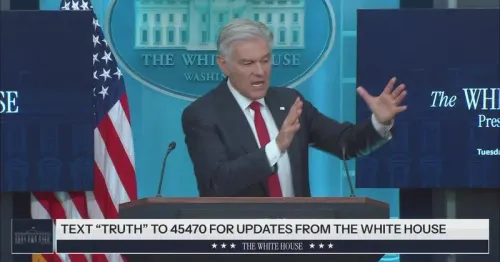
In a sweeping move that reshapes federal healthcare coverage for the youngest Medicaid recipients, President Donald J. Trump directed the administration to end Medicaid funding for gender transition surgeries and hormone treatments for minors — a decision announced by Dr. Mehmet Oz on Tuesday, August 11, 2026. The directive marks one of the most direct federal interventions yet into how the joint federal-state insurance program covers gender-related medical care for children.
What the Directive Actually Does
The order targets federal spending authority under Medicaid, the programme that provides health coverage to low-income Americans — including millions of children. Rather than imposing a nationwide clinical prohibition, it pulls the federal funding lever: states that use Medicaid dollars to cover gender transition procedures for minors would now do so without federal reimbursement. Trump, in his own words posted by The White House, framed the move as protection: 'Just think about all of the young, innocent, and perhaps confused children who will be spared.'
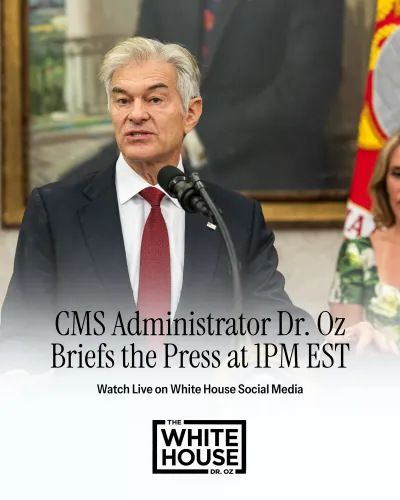
Dr. Mehmet Oz — the physician and former television personality serving in a health policy role in the Trump administration — made the formal announcement. The precise scope of the new restriction and the implementing guidance from the Centers for Medicare and Medicaid Services (CMS) are expected to follow.
A Policy Years in the Making
This is not the administration's first move in this space. In 2020, during Trump's first term, the administration finalized a rule removing explicit protections for transgender individuals under Section 1557 of the Affordable Care Act. After 2021, a wave of state-level legislation further restricted gender-related medical interventions for minors across Republican-led states. The August 2026 Medicaid directive extends that pattern to federal spending authority directly — closing a gap that state-level bans alone could not reach.
What Comes Next: Courts, States, and CMS
The announcement is virtually certain to trigger legal challenges from advocacy organisations arguing the restriction violates federal non-discrimination law and the medical rights of transgender minors. State governments will face pressure to respond — some coordinating with the federal policy, others potentially seeking to backfill coverage using state-only funds. The implementation timeline hinges on formal CMS guidance, which has not yet been issued. Until that guidance lands, the on-the-ground impact for healthcare providers and Medicaid-enrolled families remains in flux.
The directive lands at the intersection of federal spending power, parental rights debates, and an intensifying national argument over the appropriate role of government in paediatric healthcare decisions — a fight that is almost certainly heading back to federal court.
Point of View
The administration sidesteps some constitutional constraints while still achieving broad practical effect across states that rely on federal Medicaid matching funds. The move is calibrated to survive initial legal scrutiny on spending-power grounds, though Section 1557 litigation is almost certain. For Indian observers tracking US policy shifts, this signals that healthcare culture-war battles are increasingly being fought through administrative spending authority — a template with implications well beyond this single directive.
NationPress
26 Sept 2026
Frequently Asked Questions
What did Trump announce about Medicaid and gender transition for minors?
President Trump directed the administration to end Medicaid funding for gender transition surgeries and hormone treatments for minors, with the announcement made by Dr. Mehmet Oz on August 11, 2026.
Who is Dr. Mehmet Oz and what is his role in the Trump administration?
Dr. Mehmet Oz is a physician and former television personality who is serving in a health policy role in the Trump administration and made the formal announcement of the Medicaid directive.
Does this mean gender transition procedures are now banned in the US?
No. The directive removes federal Medicaid funding for these procedures for minors but does not impose a nationwide clinical ban. States could potentially use their own funds to continue coverage.
What is Medicaid and why does this directive matter?
Medicaid is a joint federal-state programme providing health coverage to low-income Americans, including millions of children. Removing federal reimbursement makes it significantly harder for states to fund these procedures for enrolled minors.
Will this Medicaid directive face legal challenges?
Legal challenges from advocacy organisations are widely anticipated, likely arguing the restriction violates federal non-discrimination law, including Section 1557 of the Affordable Care Act.