US drug prices fall fastest in 63 years, Medicare chief Mehmet Oz says

Synopsis
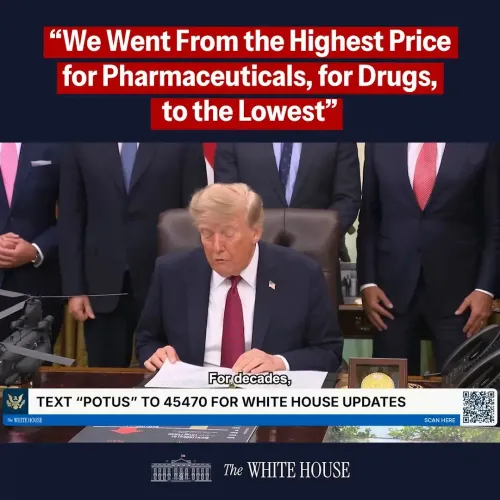
US prescription drug prices are falling at their fastest rate in 63 years — and the Trump administration says this is just the beginning. With 17 pharma companies covering 85% of the sector now aligned to Most-Favoured-Nation pricing, GLP-1 weight-loss drugs have dropped from over $1,000 to $50 a month for Medicare patients. Fertility medicine prices are down 90%. The historic decline is reshaping a system where Americans once paid triple what overseas patients did for the same drugs.
Key Takeaways
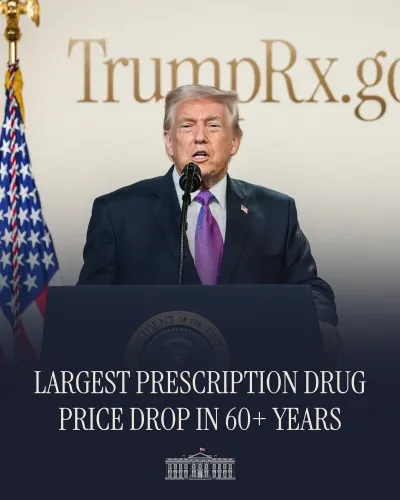
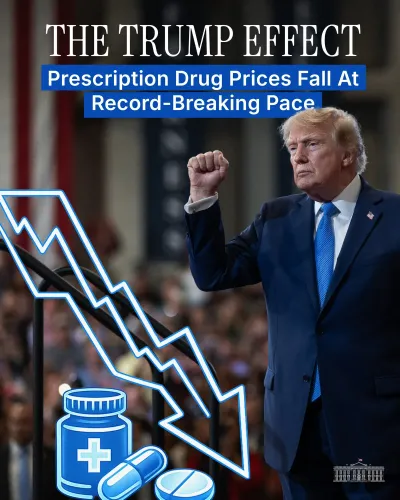
US drug prices fell 3.1 per cent year-on-year in July — the fastest decline in 63 years , according to CPI data.
Mehmet Oz , Administrator of CMS , attributed the drop to the Most-Favoured-Nation Drug Pricing policy linking US prices to overseas rates.
17 pharmaceutical companies representing 85 per cent of the sector have accepted the MFN pricing approach.
GLP-1 drugs for weight loss and diabetes now cost eligible Medicare beneficiaries $50 a month , down from over $1,000 .
Fertility medicine prices have dropped by 90 per cent under the new framework.
Oz credited both the MFN policy and drug negotiations authorised under a 2022 Biden-era law for the combined impact.
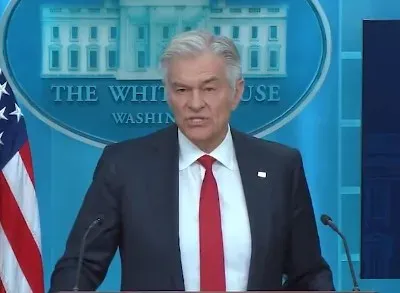
US prescription drug prices are declining at their fastest pace in 63 years and are set to fall further, Mehmet Oz, Administrator of the Centres for Medicare and Medicaid Services (CMS), said on Sunday, 23 August. The Trump administration's Medicare chief attributed the acceleration to a policy linking American drug prices to those charged in Europe and Asia.
The Numbers Behind the Drop
The US Consumer Price Index (CPI) recorded a 3.1 per cent year-on-year fall in drug prices in July, a figure that includes generic medicines. Oz described the trend as historic, noting it represents the steepest annual decline in over six decades.
He also highlighted the scale of the affordability crisis the policy is meant to address: according to Oz, one in three Americans who visited a pharmacy for a prescribed branded medicine left without it because they could not afford the cost. US patients, he added, had routinely paid three times as much as consumers in other countries for identical medicines — including drugs manufactured at American facilities.
Most-Favoured-Nation Pricing: How It Works
The administration introduced its Most-Favoured-Nation (MFN) Drug Pricing policy to anchor domestic prices to the lowest rates offered by pharmaceutical companies in overseas markets. Oz said 17 companies representing 85 per cent of the pharmaceutical sector had accepted the approach.
'We’re not telling companies what they can charge. We’re saying, whatever you charge overseas, you got to charge here. No more of this global freeloading,' Oz told CBS News.
He also pushed back against concerns that the agreements had hurt drugmakers, arguing that their combined market value had risen because investors welcomed pricing stability.
Impact on Specific Medicines
Oz cited GLP-1 drugs — used for weight loss and diabetes management — as a concrete example of the policy’s impact. Eligible Medicare beneficiaries can now obtain them for $50 a month, down from more than $1,000 previously. Fertility medicine prices, he added, had fallen by 90 per cent.
'$50 a month means you can do something to help yourself lose weight, reduce blood pressure, reduce diabetes, and all the downstream costs that would have been incurred no longer happen,' Oz said.
All new medicines released in the US by participating large companies would be offered at MFN prices, he confirmed.
Bipartisan Roots, Sharper Execution
Oz also credited drug price negotiations authorised under a 2022 law passed during the Biden administration, describing the current approach as a more aggressive continuation of that framework. 'Drug prices and affordability are bipartisan beneficial issues,' he said. 'But every tool I have, including these negotiations, we will use.'
This comes amid sustained political pressure on pharmaceutical pricing from both parties, though the MFN mechanism represents a structural shift in how the US government engages with drugmakers. Whether the trend holds will depend on how many more companies sign on and whether legal challenges to the MFN policy materialise.
Point of View
But it includes generics — which were already on a downward trajectory independent of MFN policy. The harder question is whether branded drug prices are falling structurally or whether the headline figure flatters a more modest underlying shift. Oz’s claim that pharma market values have risen because of pricing stability is worth scrutinising: if companies are absorbing lower US margins, investor optimism may reflect relief at regulatory certainty rather than genuine profit expansion. The MFN mechanism also faces potential legal challenges from the industry, and 15 per cent of the sector has not yet signed on. The bipartisan framing is politically useful, but the durability of these gains hinges on whether the next administration — and the courts — let the policy stand.
NationPress
8 Oct 2026
Frequently Asked Questions
Why are US drug prices falling at the fastest rate in 63 years?
US drug prices fell 3.1 per cent year-on-year in July, the steepest decline in 63 years, driven by the Trump administration’s Most-Favoured-Nation Drug Pricing policy, which links domestic prices to the lower rates pharmaceutical companies charge in Europe and Asia. Generic medicine price declines also contributed to the overall fall.
What is the Most-Favoured-Nation Drug Pricing policy?
The Most-Favoured-Nation (MFN) Drug Pricing policy requires pharmaceutical companies to charge US patients no more than the lowest price they offer in overseas markets. As of the latest update, 17 companies representing 85 per cent of the pharmaceutical sector have agreed to the terms, and all new medicines from participating large companies will be offered at MFN prices.
How much have GLP-1 weight-loss and diabetes drugs dropped in price?
Eligible Medicare beneficiaries can now obtain GLP-1 drugs — used for weight loss and diabetes treatment — for $50 a month, compared with more than $1,000 previously. Fertility medicine prices have also fallen by 90 per cent under the new framework.
Did the Biden administration play any role in these drug price reductions?
Yes. Medicare chief Mehmet Oz credited drug price negotiations authorised under a 2022 law passed during the Biden administration as a contributing factor. He described the current approach as a more aggressive continuation of that bipartisan framework.
How does US drug pricing compare to other countries?
According to Mehmet Oz, US patients had routinely paid three times as much as consumers in other countries for identical medicines, including drugs manufactured at American facilities. The MFN policy is specifically designed to close that gap by anchoring US prices to overseas rates.