Trump's drug price cuts take centre stage in Republican midterm push
Synopsis
Trump is betting his most-favoured-nation drug pricing policy — which he claims delivered the largest US prescription price cuts in 65 years — can single-handedly deliver the midterms for Republicans. The claim is sweeping, the supporting data thin, and the mechanism relies on pushing costs onto other countries rather than eliminating them.
Key Takeaways
Donald Trump cited his most-favoured-nation (MFN) drug pricing policy as the centrepiece of the Republican midterm campaign .
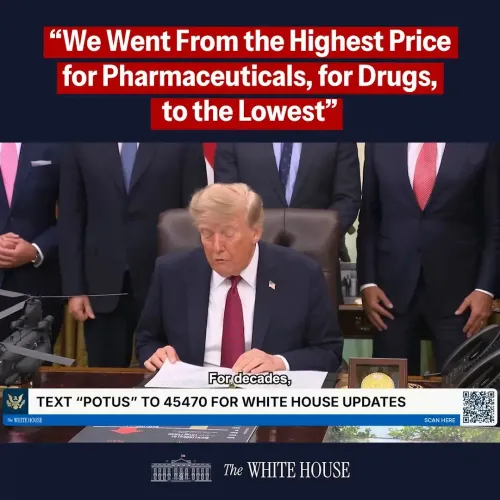
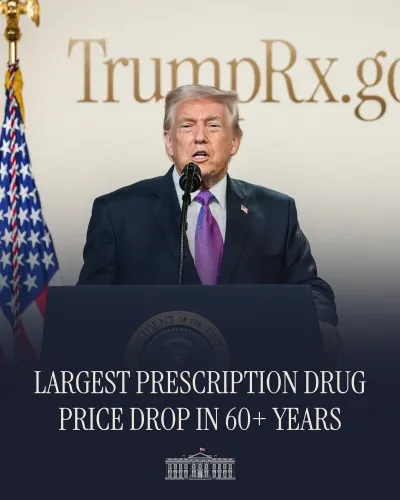
Trump claimed price differences of 400–600% and called it the largest drug price decrease in 65 years .
He said the US had moved from the world's highest prescription drug prices to the lowest — without providing itemised data.
The reductions were reportedly secured by pressing other nations to raise their own drug prices, backed by the threat of 100% tariffs .
Trump did not specify which medicines were covered or provide independent verification of the savings claimed.
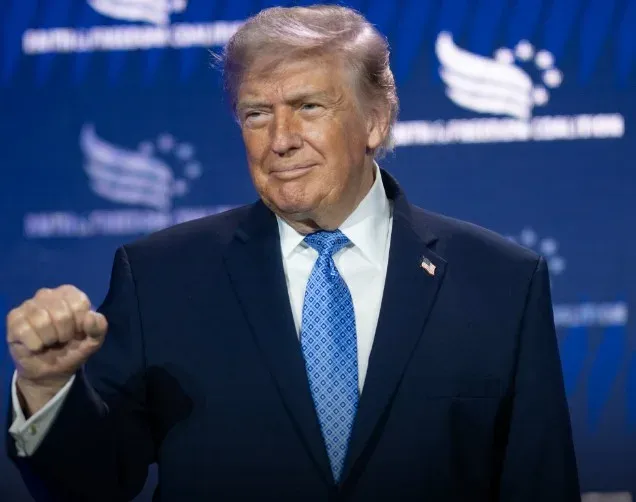
US President Donald Trump has made falling prescription drug prices the cornerstone of the Republican Party's midterm election campaign, asserting that his most-favoured-nation (MFN) pricing policy has produced the largest pharmaceutical cost reductions in American history. Trump made the claim during a political address in Garden City, New York, on 15 August.
What Trump Claimed
Speaking to supporters, Trump said his MFN policy had driven price differences of '400, 500 and even 600 percent' compared to previous levels. He also cited morning newspaper headlines, stating: 'The headline in most of the papers this morning was the largest drug price decrease in 65 years.'
Trump further claimed that the United States had shifted from paying the world's highest prescription drug prices to its lowest — a sweeping assertion he did not back with itemised data. He did not specify which medicines were covered by the reductions or provide before-and-after figures for patient costs.
The Tariff Lever
Trump said his administration secured the reductions by pressuring other countries to accept higher drug prices in their own markets, using the threat of tariffs as leverage. 'If they weren't going to do it, I said, I'm going to raise tariffs on you. I'm going to put 100 percent tariff, it's going to be 10 times more,' he said. He added that foreign nations had to 'double their prices' to enable American reductions — a mechanism critics have noted shifts costs rather than eliminates them.
The Midterm Calculation
Trump framed the drug pricing issue as a potential election-winner in its own right. 'That alone should win us the midterms, really, that alone because that reduces health care, reduces everything,' he said, repeating the line twice during his address. The remarks came as part of a wider political speech covering crime, immigration, Iran, and the economy, in which Trump urged voters to back Republican congressional candidates and warned that Democratic policies would raise costs and weaken public safety.
What Is Missing From the Claim
Notably, Trump's address did not include an independent breakdown of the savings, the list of drugs affected, or verification from health agencies. The MFN policy — which ties US drug prices to the lowest price paid by comparable nations — has faced legal challenges and implementation questions since it was first proposed. Whether the reductions cited represent broad market impact or selected categories remains unclear from the president's remarks.
What Comes Next
With the congressional midterm elections approaching, the Republican Party is expected to lean heavily on the healthcare cost narrative. Analysts will watch whether the drug pricing claim holds up to independent scrutiny and whether Democratic candidates mount a detailed counter-argument on coverage and access — areas where MFN critics argue the policy falls short.
Point of View
And no independent health agency data was cited to validate the '65-year low' headline. The midterm framing is shrewd: healthcare costs poll as a top voter concern, and a headline number, however unverified, can anchor a campaign narrative. The real test is whether Democratic candidates and independent fact-checkers can insert nuance before the claim hardens into received wisdom. History suggests that on drug pricing, the gap between White House announcements and pharmacy receipts is wide.
NationPress
29 Sept 2026
Frequently Asked Questions
What is Trump's most-favoured-nation drug pricing policy?
The most-favoured-nation (MFN) policy ties US prescription drug prices to the lowest price paid for the same drugs by comparable countries. Trump has argued this forces pharmaceutical companies to offer Americans the same low prices available elsewhere, rather than subsidising cheaper foreign markets at American patients' expense.
What drug price cuts did Trump claim at Garden City?
Trump claimed his MFN policy had produced price differences of '400, 500 and even 600 percent' and described it as the largest prescription drug price decrease in 65 years. He did not provide a breakdown of which medicines were affected or official before-and-after cost figures.
How did Trump say the price reductions were achieved?
Trump said his administration pressured other countries to accept higher drug prices in their own markets, using the threat of 100% tariffs as leverage. He claimed foreign nations had to 'double their prices' to enable corresponding reductions for American consumers.
Why is Trump linking drug prices to the midterm elections?
Trump argued that lower healthcare costs are a top voter priority and said the drug price reductions alone 'should win us the midterms.' The Republican Party is expected to use the healthcare cost narrative as a key campaign message ahead of the congressional elections.
Have the drug price claims been independently verified?
Based on Trump's remarks, no independent verification from health agencies or a detailed list of affected medicines was provided. The MFN policy has also faced legal challenges and questions about implementation since it was first introduced, leaving the full scope of its impact disputed.