TrumpRx drug pricing: US vows lowest prescription costs via 'most favoured nation' policy
Synopsis
Trump is staking a midterm election argument on TrumpRx — a 'most favoured nation' drug pricing programme he claims has flipped the US from the world's most expensive medicine market to the cheapest. The claimed cuts of up to 600% are unverified, and the mechanism required pressuring both Big Pharma and foreign governments, including reportedly threatening France with wine tariffs.
Key Takeaways
President Donald Trump promoted the TrumpRx programme at a rally in Marietta, Georgia on 23 July .
The programme uses a 'most favoured nation' pricing policy, requiring pharmaceutical companies to match the lowest drug prices in other developed countries.
Trump claimed price reductions of 400%, 500%, and 600% — described as the largest prescription drug cuts in US history; independent verification was not available.
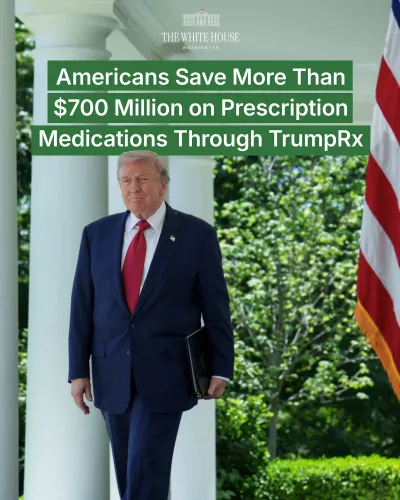
An online platform, TrumpRx.gov , has been launched for Americans to compare medicine prices.
Trump said negotiations involved both drug manufacturers and foreign governments, including reportedly threatening France with tariffs on wine and champagne to secure agreement.
Trump framed the initiative as a potential midterm election -defining issue for his administration.
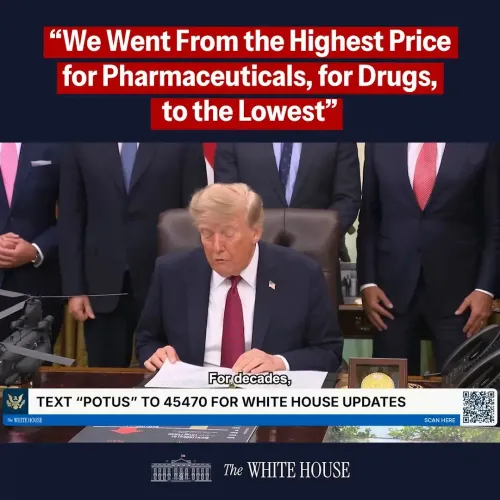
President Donald Trump on 23 July promoted his administration's new TrumpRx programme at a rally in Marietta, Georgia, claiming it would deliver the steepest prescription drug price cuts in American history by forcing pharmaceutical companies to match the lowest prices charged in other developed nations. The initiative, built around a 'most favoured nation' pricing policy, directs that the United States must pay no more for any medicine than the cheapest price available among peer countries.
What TrumpRx Promises
At the heart of the programme is a price-parity mechanism: if a drug sells for $10 in London or Munich, American consumers should not pay $100 to $120 for the same pill in New York City, Chicago, or Los Angeles — a disparity Trump described as 'unfair.' The administration has launched an online platform, TrumpRx.gov, where Americans can compare medicine prices and, according to Trump, access rates 'you never believed.'
Trump claimed the policy has already reversed decades of overpricing. 'For decades, Americans paid the highest price for prescription drugs anywhere in the world,' he said at the rally. 'Now we're paying the lowest price anywhere in the world.'
Negotiations With Drug Firms and Foreign Governments
Trump described a two-front negotiation: first with pharmaceutical manufacturers, who he said 'fought' the administration before eventually conceding, and then with foreign governments. He recounted pressing French President Emmanuel Macron to raise the prices France pays for medicines, arguing that low overseas prices have long been cross-subsidised by American consumers.
According to Trump, France initially declined before agreeing after the US threatened tariffs on French wine and champagne. 'And we got France, and we got all of them the same way,' he said. The administration has not independently detailed the terms of any such agreements with foreign governments.
Scale of the Claimed Reduction
Trump asserted the cuts amount to reductions of 400%, 500%, and 600% — framing them as 'the largest prescription drug price cuts in history.' Independent verification of those figures was not available at the time of the rally. Pharmaceutical pricing analysts have historically noted that list-price reductions and net-price reductions after rebates can differ substantially, a distinction the administration did not address publicly.
Political Framing and Midterm Stakes
Trump suggested the healthcare initiative could be a decisive factor in upcoming midterm elections, telling supporters, 'That alone should win us the midterms.' He urged the crowd to 'make it too big to rig,' signalling the administration intends to campaign actively on the drug-pricing record.
Prescription drug costs have been among the most politically charged domestic issues in the United States for years, with successive administrations — from both parties — promising reform. The Trump administration argues that American consumers have effectively subsidised cheaper medicine prices in Europe and elsewhere for decades, and that the new policy corrects that imbalance. How durably the pricing changes hold — and whether pharmaceutical companies will absorb costs or pass them through in other ways — is likely to shape the programme's legacy.
Point of View
Including France. If the mechanism holds, it would represent a genuine structural shift in global pharmaceutical pricing; if it does not, TrumpRx risks becoming another headline number that the healthcare system quietly absorbs.
NationPress
21 Oct 2026
Frequently Asked Questions
What is the TrumpRx programme?
TrumpRx is a US government drug-pricing initiative built around a 'most favoured nation' policy, which requires pharmaceutical companies to charge Americans no more than the lowest price they offer in other developed countries. The administration has launched TrumpRx.gov as a public platform to compare medicine prices.
How much will prescription drug prices fall under TrumpRx?
President Trump claimed cuts of 400%, 500%, and 600%, calling them the largest prescription drug price reductions in US history. Independent verification of these figures was not available at the time of the rally announcement.
How did the Trump administration negotiate the new drug prices?
According to Trump, the policy required two sets of negotiations: with pharmaceutical manufacturers, who initially resisted before agreeing, and with foreign governments. Trump said France was pressured to raise its own drug prices after the US threatened tariffs on French wine and champagne.
Why have Americans historically paid more for prescription drugs than other countries?
The Trump administration argues that US consumers have for decades cross-subsidised lower drug prices in Europe and other developed nations, as pharmaceutical companies charged Americans more to offset regulated prices abroad. The 'most favoured nation' policy is designed to end that arrangement.
What is the political significance of TrumpRx?
Trump explicitly linked the programme to the upcoming midterm elections, telling supporters it 'alone should win us the midterms.' Prescription drug costs are among the most politically sensitive domestic issues in the United States, making the initiative a central plank of the administration's healthcare messaging.