Trump's Drug Pricing Order Claims Early Wins for Americans

Synopsis
The White House declared on August 18, 2026 that President Trump's Most-Favored-Nation Drug Pricing and TrumpRx initiatives are working, benchmarking US drug costs against the lowest prices paid by peer nations and cutting out supply-chain middlemen to deliver savings directly to American patients.
Key Takeaways
The White House announced on August 18, 2026 that Trump's prescription drug pricing actions are producing results.
The Most-Favored-Nation Drug Pricing model ties US Medicare drug reimbursements to the lowest prices paid by comparable wealthy nations.
TrumpRx is designed to bypass pharmacy middlemen and deliver lower-cost drugs directly to American consumers.
The policy represents a two-track approach: pressuring manufacturers on price while streamlining the delivery supply chain.
Indian generic pharmaceutical exporters, who supply a major share of the US generics market, could face margin and contract shifts if the policy reshapes US procurement.
A bold claim out of Washington: the White House says President Donald Trump's executive push to slash prescription drug costs is already delivering results for ordinary Americans — and it wants the world to know it.
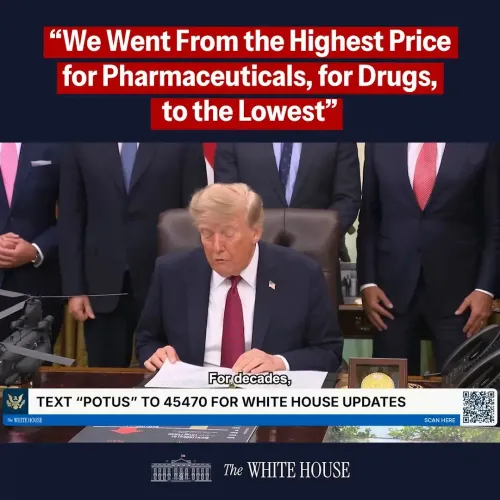
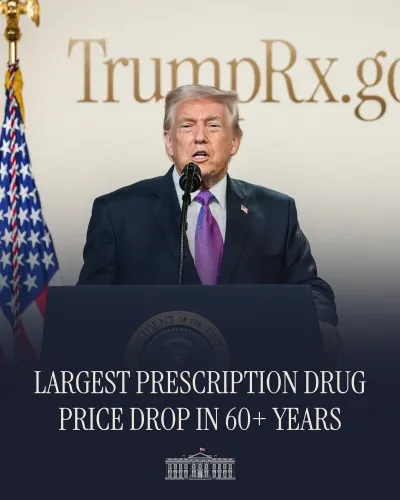
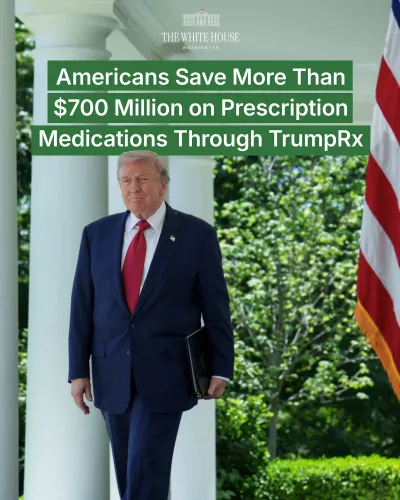
The official White House account posted on Tuesday, August 18, 2026, asserting that 'Most-Favored-Nation Drug Pricing and TrumpRx ensure the American people come out as winners.' The message is direct — this is the administration planting a flag on a policy it has staked significant political capital on.
What Most-Favored-Nation Drug Pricing Actually Does
The Most-Favored-Nation (MFN) model is built on a single, confrontational premise: the United States should not pay more for prescription drugs than the lowest price any other wealthy nation pays. Under the executive order framework, Medicare drug reimbursements are benchmarked against prices in comparable economies — countries like Germany, Canada, and Japan — forcing pharmaceutical companies to either lower US prices or justify the gap. The logic is blunt: if a drug costs a fraction of its US price in France, American patients and taxpayers are being overcharged.TrumpRx and the Direct-to-Patient Promise
The second pillar, TrumpRx, is framed as a direct-delivery mechanism — a programme designed to cut pharmacy middlemen and bring lower-cost drugs straight to American consumers. The administration's messaging positions it as a structural fix, not just a price cap: removing layers of the supply chain that have historically added cost without adding value. Together, MFN pricing and TrumpRx represent the administration's two-track bet — squeeze manufacturers from the top, streamline delivery from the bottom.Why This Matters Beyond America's Borders
For India, the world's largest supplier of generic medicines and a major pharmaceutical exporter to the US, any structural shift in American drug pricing policy carries real consequence. Indian generic manufacturers supply a significant share of the US generics market. If MFN benchmarking reshapes how drugs are priced and procured in America, the ripple effects — on margins, on procurement contracts, on the competitive landscape — will be felt from Hyderabad to Ahmedabad. The White House's victory lap is Washington's story today, but it is also a signal that the global pharmaceutical trade is being redrawn. The administration's confidence is on full display. Whether the numbers ultimately validate that confidence is the question the next quarterly drug-pricing data will have to answer.Point of View
Having been attempted and legally challenged in Trump's first term, making this second-term push a deliberate act of unfinished business. For global pharmaceutical markets, the stakes are structural: if MFN benchmarking takes hold at scale, it could compress manufacturer margins worldwide and accelerate the already-intense pressure on generic drug economics. The political calculation is clear — lower drug prices poll strongly across party lines, and the administration is determined to own that ground.
NationPress
3 Oct 2026
Frequently Asked Questions
What is Most-Favored-Nation drug pricing in the US?
Most-Favored-Nation drug pricing requires that the US government pay no more for prescription drugs than the lowest price paid by any comparable wealthy nation. It is designed to close the gap between high US drug prices and lower prices in countries like Germany, Canada, and Japan.
How does Trump's drug pricing policy affect India?
India is one of the largest suppliers of generic medicines to the United States. A structural shift in US drug pricing and procurement — such as MFN benchmarking — could affect the margins and contracts of Indian pharmaceutical companies that export generics to the American market.
Was Most-Favored-Nation drug pricing tried before?
Yes. The Trump administration attempted to implement MFN drug pricing during its first term, but the policy faced legal challenges that delayed or blocked its full rollout. The current push represents a renewed effort in Trump's second term.
Who benefits from Most-Favored-Nation drug pricing?
The primary intended beneficiaries are American patients — particularly Medicare recipients — and US taxpayers, who currently pay among the highest prices in the world for branded prescription drugs.