How is Trump Planning to Cut US Drug Prices Sharply?
Synopsis
In a bold move, President Trump has pledged to implement significant reductions in prescription drug prices, ensuring that American patients will benefit from the lowest global rates. This initiative, touted as the most extensive in decades, aims to directly address the longstanding issue of high medication costs for Americans, particularly the elderly and those with chronic conditions.
Key Takeaways
Trump's initiative aims to reduce drug prices significantly.
American patients will pay no more than the lowest global prices.
Major pharmaceutical companies have agreed to cut prices substantially.
Compliance will be enforced through trade measures like tariffs.
Savings should directly benefit patients, not insurance companies.
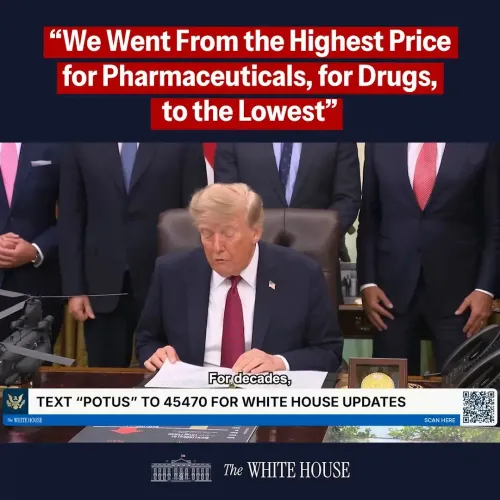
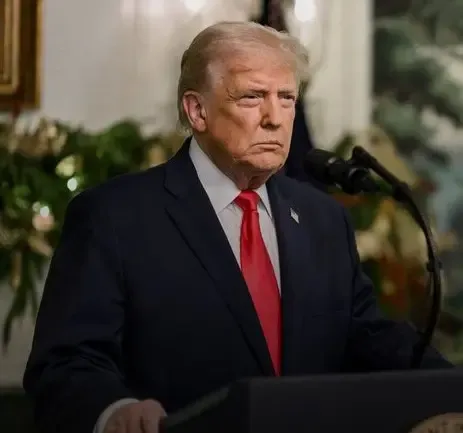
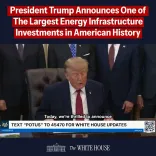
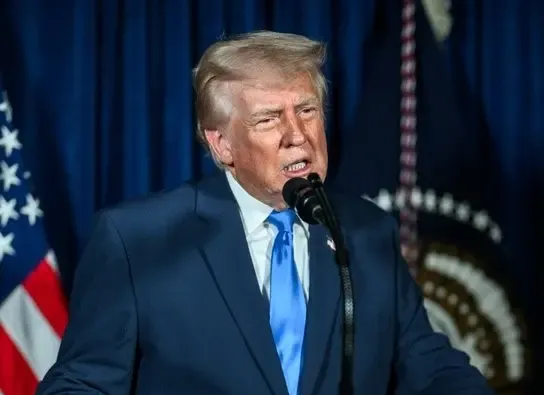
Washington, Dec 20 (NationPress) US President Donald Trump unveiled what he termed the most comprehensive initiative in decades aimed at reducing prescription drug prices, asserting that American patients will soon pay no more than the lowest prices available globally.
“You’re going to receive most favored nations pricing, which means they will pay our nation the lowest price available anywhere in the world,” Trump stated at the White House, flanked by senior administration officials and leading figures from the international pharmaceutical sector.
He emphasized that Americans have historically faced disproportionately high prices compared to patients in other countries.
Notable attendees included Health and Human Services Secretary Robert F. Kennedy Jr., Commerce Secretary Howard Lutnick, Centers for Medicare and Medicaid Services Administrator Mehmet Oz, and Food and Drug Administration Commissioner Marty Makary.
“For decades, Americans have had to bear the burden of the highest prices globally for prescription medications,” Trump remarked. “We constitute 4 percent of the world’s population… yet pharmaceutical corporations reap 75 percent of their profits.”
Trump announced that major pharmaceutical firms have consented to drastically reduce prices on their primary medications, providing these drugs to Americans at internationally benchmarked rates.
“We have entered into landmark agreements… to lower prices by 300, 400, 500, 600, and even 700 percent,” he claimed.
Executives present at the announcement included Sanofi CEO Paul Hudson, Novartis CEO Vas Narasimhan, Genentech CEO Ashley Magargee, Boehringer Ingelheim (USA) CEO Jean-Michel Boers, Gilead CEO Dan O’Day, GSK CEO Emma Walmsley, Merck CEO Robert Davies, Bristol Myers Squibb General Counsel Cari Gallman, and Amgen Executive Vice President Peter Griffith.
Trump indicated that the administration would ensure compliance through trade measures if necessary. “If they fail to comply, we will impose tariffs on them,” Trump stated. “We could never achieve this without utilizing tariffs.”
He noted that US drug prices would start decreasing next year and would “drop rapidly.”
“Thus, we will secure the lowest price globally,” he affirmed.
Trump further asserted that any savings should directly benefit patients rather than insurance companies.
“The funds should be allocated to the people, not the insurance companies,” he emphasized.
The issue of high prescription drug prices has consistently remained a significant political challenge in the United States, particularly impacting seniors and patients with chronic conditions. Various administrations have grappled with lowering costs without provoking backlash from the industry.
Trump has consistently maintained that Americans are subsidizing lower drug prices in other countries and has revived the concept of “most favored nations” pricing to align US prices with international standards.
Point of View
I recognize the significance of President Trump's announcement regarding prescription drug prices. It addresses a critical issue that affects millions of Americans, particularly seniors and those with chronic illnesses. However, the success of this initiative hinges on effective implementation and cooperation from the pharmaceutical industry. We must watch closely as this narrative unfolds, ensuring that the interests of patients remain at the forefront.
NationPress
1 Oct 2026
Frequently Asked Questions
What is Trump's plan for drug prices?
President Trump announced a plan to lower prescription drug prices, ensuring American patients will pay no more than the lowest prices available globally.
How will this affect American patients?
American patients are expected to benefit from significantly reduced medication costs, making essential drugs more affordable.
Who attended the announcement?
Notable attendees included key officials from the health and pharmaceutical sectors, including Health and Human Services Secretary Robert F. Kennedy Jr.
When will drug prices start to fall?
Trump stated that US drug prices would begin to decline next year, with rapid reductions expected thereafter.
What measures will ensure compliance from pharmaceutical companies?
The Trump administration indicated that tariffs would be imposed on companies that fail to comply with the new pricing agreements.