White House Touts Most Favored Nation Drug Pricing Win
Synopsis
The White House says Most Favored Nation drug pricing has finally been implemented after decades of failed promises, with Secretary Kennedy claiming US pharmaceuticals are now the most affordable of any country in the world. Medicare beneficiaries and pharmaceutical manufacturers await the policy's legal and operational test.
Key Takeaways
The White House posted Secretary Kennedy's statement on July 31, 2026 claiming Most Favored Nation drug pricing has been successfully enacted.
The Most Favored Nation model ties US Medicare drug payments to the lowest prices paid by peer nations.
The Trump administration first attempted an MFN interim final rule in November 2020 targeting Medicare Part B , but it was blocked by courts and later withdrawn.
Kennedy stated that every prior president promised to fix drug pricing but 'none of them did anything.' Pharmaceutical manufacturers are expected to mount legal challenges to any newly implemented MFN framework.
The US has historically paid the highest prescription drug prices among high-income nations, with Medicare beneficiaries among the hardest hit.
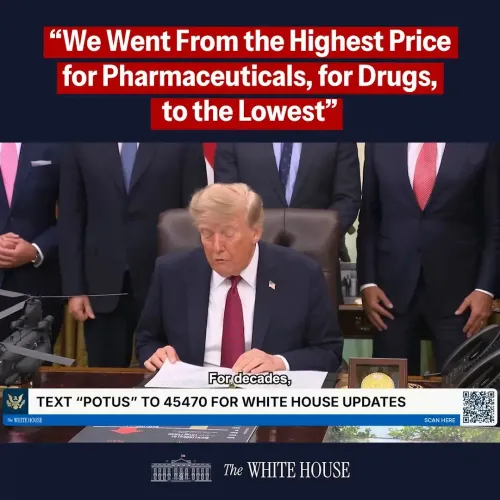
For decades, Americans paid more for the same pills than patients in any other wealthy nation — and every president promised to fix it. Now, the White House is claiming that promise has finally been kept, with Secretary Kennedy declaring on Friday, July 31, 2026 that the Most Favored Nation drug pricing policy has made the United States home to the most affordable pharmaceuticals of any country in the world.
What Most Favored Nation Pricing Actually Does
The Most Favored Nation model ties what Medicare pays for drugs to the lowest prices paid by peer nations — a direct challenge to a pharmaceutical industry that has long charged American patients multiples of what European or Asian markets pay for identical medicines. The logic is blunt: if a drug costs $10 in Germany and $100 in the US, Medicare should not be paying the American price.
The policy has a contested history. The Trump administration first issued a Most Favored Nation interim final rule in November 2020, targeting Medicare Part B drug payments — the category covering physician-administered drugs like cancer infusions. That rule faced immediate legal challenges from pharmaceutical manufacturers and was never fully implemented before being withdrawn.
Kennedy's Claim and the Weight of Presidential History
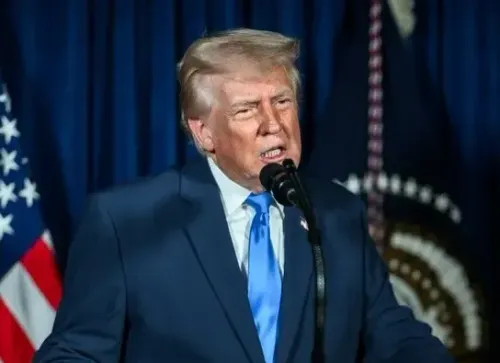
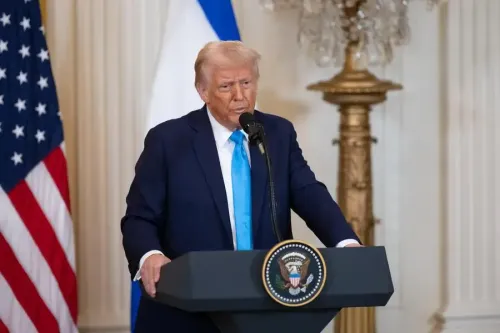
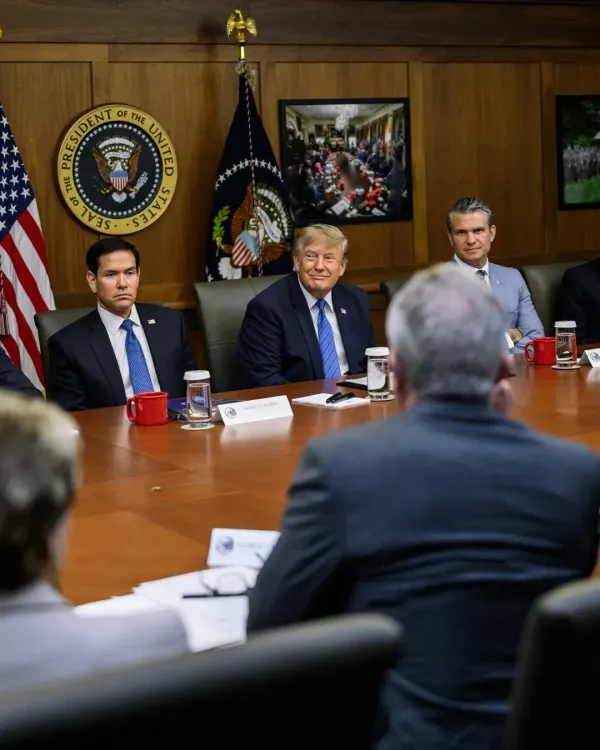
Speaking on behalf of the administration, Secretary Kennedy drew a sharp contrast with his predecessors: 'Every President... have all promised to fix this, none of them did anything. You fixed it.' The statement is a direct rebuke of decades of legislative and executive attempts — from both parties — that stalled against pharmaceutical industry lobbying, court injunctions, and congressional gridlock.
The claim that the US now has drugs 'most affordable in this country of any country in the world' is sweeping. The United States has historically ranked among the highest-cost nations for prescription medicines, with Medicare beneficiaries often bearing the sharpest burden. Whether the current policy mechanics have delivered on that scale remains the central question that courts and implementation watchdogs will scrutinise.
What Industry and Courts Will Do Next
Pharmaceutical manufacturers have consistently challenged MFN-style rules, arguing they distort market incentives and threaten research investment. Any revised or newly implemented MFN model is likely to face fresh legal filings. The rollout mechanics — which drug categories are covered, how international benchmarks are calculated, and enforcement timelines — will determine whether the policy holds up or faces the same fate as the 2020 rule.
For the millions of Medicare patients who ration pills or skip refills because of cost, the stakes are not abstract. If the policy survives legal scrutiny and reaches full implementation, it would represent the most significant structural change to US drug pricing in a generation.
Point of View
The move is consequential: US pharmaceutical pricing policy shapes global drug trade dynamics, and any sustained pressure on manufacturer margins in America ripples through pricing negotiations worldwide. The real test is not the announcement but the courtroom — the 2020 MFN rule's swift legal death is the template industry lawyers will reach for again. Whether this iteration is structurally different enough to survive is the question that will define its legacy.
NationPress
15 Sept 2026
Frequently Asked Questions
What is Most Favored Nation drug pricing in the US?
Most Favored Nation drug pricing is a policy that ties what Medicare pays for prescription drugs to the lowest prices paid by comparable wealthy countries, aiming to eliminate the premium American patients pay over international peers.
Has the US tried Most Favored Nation drug pricing before?
Yes. The Trump administration issued a Most Favored Nation interim final rule in November 2020 targeting Medicare Part B drug payments, but it was challenged in court and never fully implemented before being withdrawn.
What did Secretary Kennedy say about drug pricing?
Secretary Kennedy stated that every prior president promised to fix drug pricing but none acted, and credited the current administration with making US pharmaceuticals the most affordable of any country in the world.
How does US drug pricing affect India?
US pharmaceutical pricing policies influence global drug trade and manufacturer margins. Pressure on US drug prices can affect how pharmaceutical companies price and negotiate in other markets, including India.
Will pharmaceutical companies challenge the new MFN drug pricing rule?
Based on the history of the 2020 MFN rule, pharmaceutical manufacturers are widely expected to file legal challenges against any newly implemented Most Favored Nation pricing framework.