Trump White House Claims Drug Price Victory for Americans
Synopsis
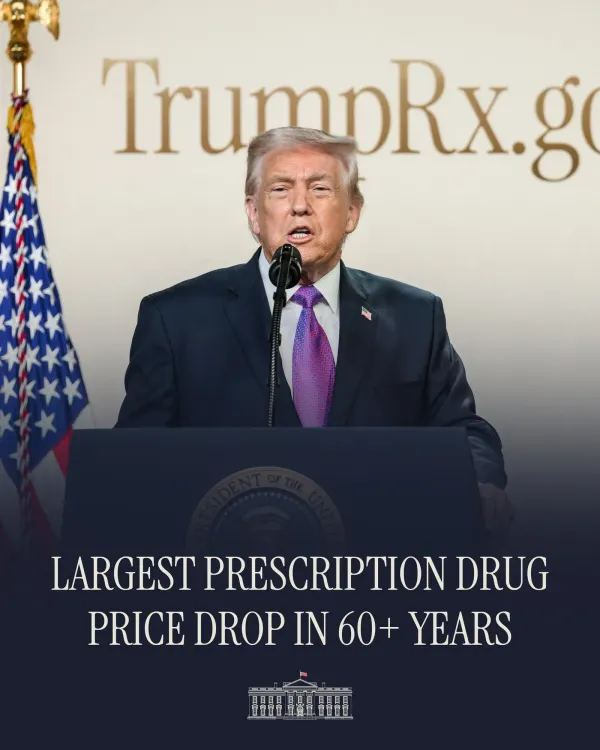
The White House declared on August 31, 2026 that President Trump has fulfilled a core campaign promise by making prescription drugs more affordable for Americans, citing a leveling of drug prices against peer nations through executive action including the Most Favored Nation pricing model.
Key Takeaways
The White House posted on August 31, 2026 claiming President Trump has made prescription drugs 'more affordable than ever' for Americans.
The U.S. has historically paid higher prescription drug prices than any comparable developed nation due to Medicare 's lack of direct negotiation authority.
Trump's Most Favored Nation pricing model, introduced via executive order in September 2020 , sought to tie Medicare Part B payments to the lowest prices paid by peer nations.
The approach relied on executive action rather than congressional legislation, making it vulnerable to legal challenges from pharmaceutical manufacturers.
The post frames the development as a campaign promise fulfilled, targeting Medicare beneficiaries and cost-burdened American households.
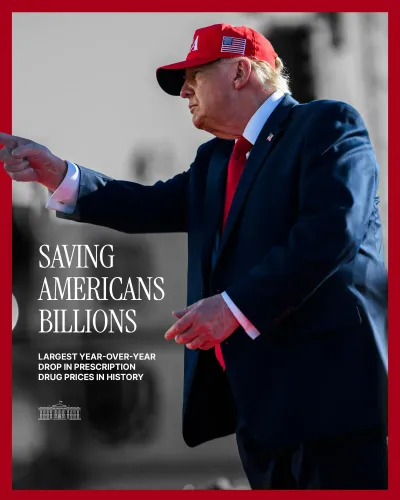
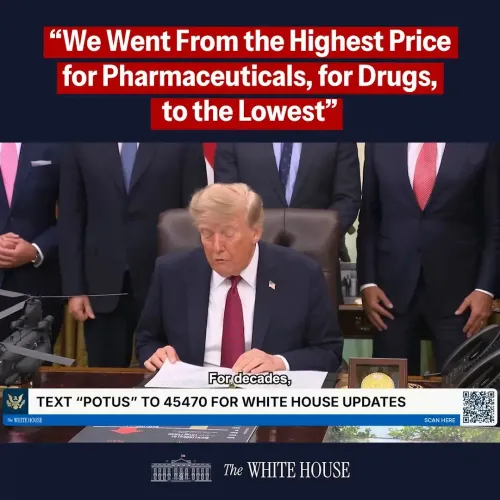
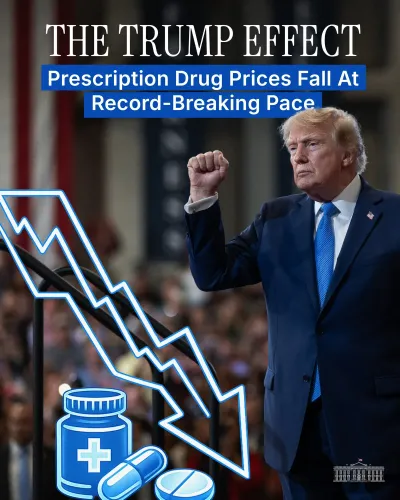
After decades of American patients paying the steepest prescription drug prices in the developed world, the White House declared on Monday, August 31, 2026, that President Donald Trump has 'leveled the playing field' — making prescription medicines 'more affordable than ever' for U.S. consumers.
A Decades-Old Grievance at the Heart of American Healthcare
The gap between what Americans and citizens of peer nations pay for the same drugs has long been one of the most politically charged fault lines in U.S. healthcare. Medicare — the federal programme covering tens of millions of elderly and disabled Americans — historically lacked direct authority to negotiate drug prices, leaving manufacturers free to set rates far above those in Europe, Canada, or Japan.
That structural imbalance made the United States the world's most profitable drug market, and American patients its most exposed consumers. For years, the political will to fix it collided with pharmaceutical industry lobbying and constitutional constraints on executive action.
Trump's Most Favored Nation Play
The Trump administration's signature approach to this problem was the Most Favored Nation pricing model, first introduced via executive order in September 2020. The model directed the Department of Health and Human Services to tie Medicare Part B drug payments to the lowest prices paid by comparable developed nations — effectively importing foreign price ceilings into the American system.
The strategy bypassed Congress entirely, relying on executive authority rather than statutory negotiation rights. It drew immediate legal challenges from pharmaceutical manufacturers, making implementation a prolonged contest between the administration and the courts.
What the White House Is Claiming Now
The August 31 post frames the moment as a fulfilment of a promise — 'Promises Made, Promises Kept' — signalling that the administration believes a meaningful, tangible reduction in drug costs for ordinary Americans has been achieved. The specific regulatory actions or price data underlying that claim in 2026 have not been independently detailed in the post itself.
What is clear is the political framing: Trump is positioning prescription drug affordability as a signature domestic win, one aimed squarely at Medicare beneficiaries and working-class households who have long felt the bite of high pharmacy bills.
The pharmaceutical industry's response to any new pricing architecture — and whether it survives judicial scrutiny — will determine whether this declaration becomes a durable policy legacy or another chapter in a decades-long standoff.
Point of View
Promises Kept' framing is a deliberate electoral signal — Trump is converting a technocratic policy fight into a populist win narrative ahead of any political cycle. The Most Favored Nation model was always as much a political instrument as a regulatory one, designed to force pharmaceutical companies into a public-relations corner. Whether the underlying pricing changes are durable depends entirely on whether they rest on executive orders or have since been codified — a distinction the post conspicuously leaves open. For India, which watches U.S. drug pricing policy closely given its generic pharmaceutical export industry, any structural shift in how Washington values medicines carries downstream trade implications.
NationPress
16 Oct 2026
Frequently Asked Questions
What did the White House announce about prescription drug prices?
The White House declared on August 31, 2026 that President Trump has made prescription drugs more affordable than ever for Americans by leveling drug pricing against other developed nations.
What is the Most Favored Nation drug pricing model?
It is a pricing model introduced by the Trump administration via executive order in September 2020 that ties Medicare Part B drug payments to the lowest prices paid by comparable developed nations, preventing the U.S. from paying more than any peer country.
Why have U.S. prescription drug prices been so high?
Medicare historically lacked direct authority to negotiate drug prices with manufacturers, allowing pharmaceutical companies to charge far higher rates in the U.S. than in countries like Canada, Japan, or European nations.
Has Trump's drug pricing executive order faced legal challenges?
Yes. Pharmaceutical manufacturers challenged the Most Favored Nation pricing model in court after its introduction in 2020, making full implementation a prolonged legal contest.
How does U.S. drug pricing policy affect India?
India is a major exporter of generic pharmaceuticals to the U.S. market, so structural changes in how Washington prices medicines — including reference pricing tied to foreign benchmarks — can have significant implications for Indian drug manufacturers' access and margins in the American market.