Trump Announces Historic Drug Price Cuts: 17 Pharma Giants Agree
Synopsis
President Trump announced historic drug price cuts with 17 pharma giants, covering 86% of the branded market, promising Americans the world's lowest prices. A cholesterol drug drops from $537 to $225; a weight-loss drug from $1,350 to $199/month. Commerce Secretary Lutnick tied the deals to $448 billion in US pharmaceutical manufacturing investment.
Key Takeaways
17 major pharmaceutical companies covering 86 per cent of the branded drug market have agreed to sell medicines to Americans at the world's lowest prices under most favoured nation (MFN) pricing .
A cholesterol drug will drop from $537 to $225 , and a weight-loss drug will fall from $1,350 to $199 per month under the new pricing framework.
HHS Secretary Robert F.
Kennedy Jr. stated the US, with 4.2% of the world's population , generates 75% of global pharma profits — a disparity the agreements aim to end.
Regeneron announced a first-of-its-kind gene therapy for rare hereditary deafness, to be provided free to eligible children for a defined period.
Commerce Secretary Howard Lutnick linked the deals to $448 billion in pharmaceutical manufacturing investment returning to the United States .
The White House confirmed further negotiations are ongoing, with the administration targeting full coverage of the branded pharmaceutical market.
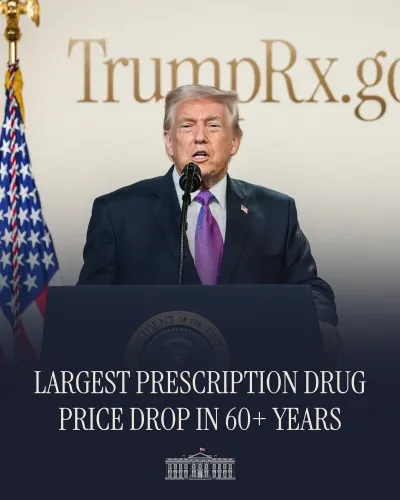
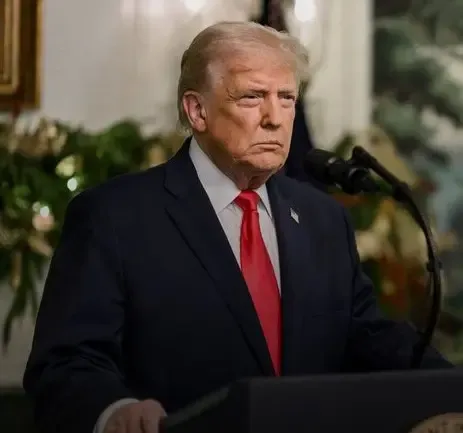
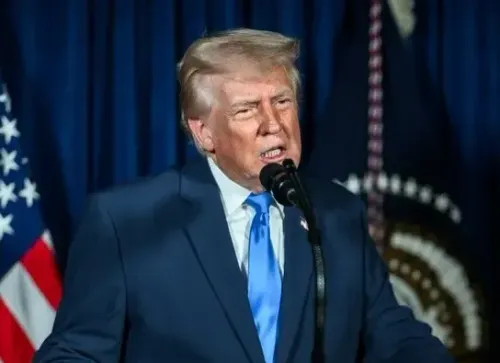
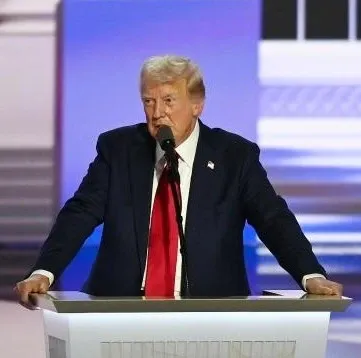
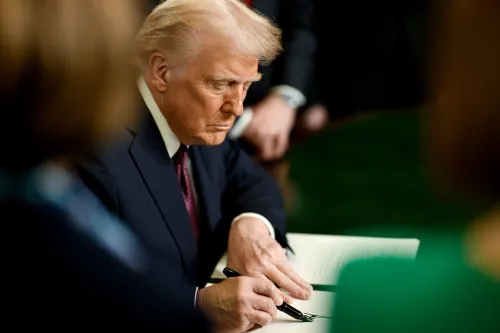
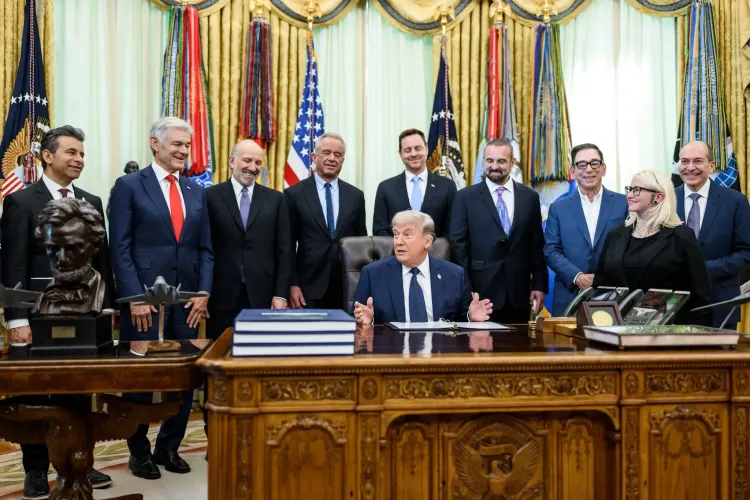
Washington, April 24 — US President Donald Trump unveiled what he called the most sweeping reduction in prescription drug prices in American history on Thursday, announcing binding agreements with 17 of the world's largest pharmaceutical companies to sell medicines to American patients at the lowest prices available anywhere on the globe. The deals collectively cover approximately 86 per cent of the branded pharmaceutical market, marking a seismic shift in how the United States negotiates drug costs.
The Scale of the Agreements
Speaking at the White House, Trump declared the move "the biggest cut in drug prices in the history of our country." He confirmed that the companies — representing 80 per cent of the branded drug market — have now committed to pricing their products for American consumers at so-called "most favoured nation" (MFN) prices, meaning no other country would receive lower rates.
Among the participating firms, Regeneron was specifically highlighted as an early and willing signatory. Regeneron CEO Leonard Schleifer stated, "We were not pushed to be here. We are happy to be here because it marks an important step to lower drug prices." The company's voluntary participation signals a broader industry acknowledgment that the status quo on American drug pricing was politically and economically unsustainable.
Specific Price Reductions Announced
The Trump administration cited concrete examples of the price drops consumers can expect. A widely prescribed cholesterol medication will fall from $537 to $225, while a popular weight-loss drug will drop from $1,350 per month to as low as $199 per month — a reduction of over 85 per cent. These figures are expected to deliver immediate relief to millions of Americans who currently ration or skip medications due to cost.
Centers for Medicare and Medicaid Services Administrator Mehmet Oz underscored the human cost of the previous system, noting that "one in three Americans" frequently leave pharmacies empty-handed because they cannot afford their prescriptions. The new pricing framework is designed to directly address this access crisis.
Kennedy and Oz Back the Policy Push
Health and Human Services Secretary Robert F. Kennedy Jr. offered a pointed critique of the existing pricing structure, describing it as a long-running "rip off". He noted that the United States, with just 4.2 per cent of the world's population, has historically generated 75 per cent of global pharmaceutical industry profits — a disparity he said the new agreements are designed to correct.
Kennedy's framing aligns with a broader populist argument that has gained traction across party lines: that American consumers have effectively been subsidising cheaper drug prices for the rest of the world. This bipartisan grievance has made drug pricing reform one of the rare policy areas where political consensus exists in principle, even if the mechanisms remain contested.
Regeneron's Gene Therapy Breakthrough
Beyond pricing, Regeneron used the White House event to announce a landmark medical development — a gene therapy for a rare hereditary form of deafness. The company's Chief Scientific Officer George Yancopoulos described it as "a first of its kind gene therapy," noting that the treatment had already enabled a child named Travis to hear his mother's voice for the first time.
Sierra Smith, whose two-year-old son received the therapy, described the outcome as "absolutely incredible" and "life changing." Regeneron announced it would provide the therapy free of charge to eligible children for a defined period, adding a humanitarian dimension to what was primarily a pricing policy event.
Manufacturing and Economic Implications
Commerce Secretary Howard Lutnick tied the pharmaceutical agreements directly to domestic industrial policy, stating that the deals are linked to a commitment of "$448 billion of drug manufacturing coming to America." This framing positions the price cuts not merely as a consumer benefit but as part of a broader reshoring strategy aimed at reducing US dependence on foreign pharmaceutical supply chains — a vulnerability exposed starkly during the COVID-19 pandemic.
The White House confirmed that negotiations with additional companies are ongoing, with the goal of expanding MFN pricing coverage further. Analysts note that the speed and breadth of the agreements — if legally durable — would represent the most significant structural change to US pharmaceutical pricing since the creation of Medicare Part D in 2003.
What This Means Going Forward
The agreements raise critical questions about enforcement and longevity. Most favoured nation pricing has been attempted before — Trump himself signed an executive order on MFN pricing during his first term, which was later challenged in court and ultimately not implemented at scale. Whether the current framework carries binding legal force or relies on voluntary industry cooperation will determine its lasting impact.
Critics and healthcare economists will be watching closely to assess whether the announced prices translate to out-of-pocket savings for insured and uninsured patients alike, or whether the reductions are absorbed at the insurer and pharmacy benefit manager level. The administration has indicated further announcements are expected in the coming weeks as negotiations with remaining pharmaceutical companies conclude.
Point of View
Which means the durability of these 'agreements' hinges entirely on their legal architecture. The real story isn't the press conference; it's whether the savings reach the patient at the pharmacy counter or get absorbed by the labyrinthine US insurance and PBM system. Kennedy's statistic — 4.2% of the world's population generating 75% of pharma profits — is a damning indictment that crosses party lines, and it explains why industry CEOs showed up willingly: they'd rather negotiate now than face legislated price controls later. The $448 billion manufacturing pledge is the hidden headline — it suggests this is as much an industrial policy move as a healthcare one, tying drug pricing reform to the broader reshoring agenda that defines Trump's second-term economic doctrine.
NationPress
24 Sept 2026
Frequently Asked Questions
What drug price cuts did Trump announce?
President Trump announced agreements with 17 major pharmaceutical companies to sell prescription drugs to Americans at the lowest prices available anywhere in the world. Specific cuts include a cholesterol drug dropping from $537 to $225 and a weight-loss drug falling from $1,350 to $199 per month.
Which pharmaceutical companies agreed to Trump's drug pricing deal?
The White House stated that 17 of the world's largest pharmaceutical companies, representing 86 per cent of the branded drug market, have signed on. Regeneron was specifically named as a key participant and willing early signatory to the most favoured nation pricing framework.
What is most favoured nation drug pricing?
Most favoured nation (MFN) pricing means the US would pay no more for a drug than the lowest price any other country pays globally. Trump has attempted to implement MFN pricing before — his first-term executive order was challenged in court — making the legal enforceability of the current agreements a key question.
What did RFK Jr. say about pharmaceutical pricing?
Health and Human Services Secretary Robert F. Kennedy Jr. described the existing US drug pricing system as a long-standing 'rip off,' noting that the United States, with just 4.2 per cent of the world's population, generates 75 per cent of global pharmaceutical industry profits. He backed the new agreements as a corrective measure.
What is Regeneron's gene therapy announced at the White House?
Regeneron announced a first-of-its-kind gene therapy for a rare hereditary form of deafness at the White House event. The company said it would provide the treatment free of charge to eligible children for a set period, with one recipient — a two-year-old boy named Travis — hearing his mother's voice for the first time after treatment.