White House calls India one of US' strongest allies, credits Modi-Trump bond
Synopsis
The White House's tribute to Modi's 25-year milestone was brief — but its framing was deliberate. By explicitly tethering India's 'strongest ally' status to the Trump-Modi personal bond, Washington signalled that the relationship's warmth is as much personality-driven as policy-driven — a dynamic that carries both opportunity and vulnerability for New Delhi.
Key Takeaways
White House spokesperson Anna Kelly called India 'one of the United States' strongest allies' on 8 October 2026 .
The statement credited President Trump's personal relationship with PM Modi for strengthening bilateral ties.
PM Modi completed 25 years in continuous public office on 7 October 2026 , starting as Gujarat Chief Minister in 2001 .
The White House statement did not announce any new bilateral initiative or policy decision.
India and the US have deep cooperation in defence, technology, and trade but do not hold a formal mutual defence treaty.
World leaders hailed Modi's milestone as a 'rare achievement in any democracy.'
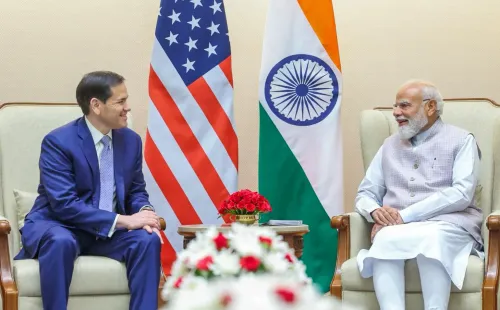
The White House on 8 October 2026 described India as one of America's strongest allies, crediting the personal chemistry between US President Donald Trump and Prime Minister Narendra Modi with reinforcing bilateral ties. The statement came as Modi marked a landmark 25 years in continuous public office — a milestone that drew congratulations from leaders across the globe.
What the White House Said
White House spokesperson Anna Kelly said in a statement on Wednesday: 'India is one of the United States' strongest allies, which has been bolstered by President Trump's good relationship with Prime Minister Modi.' The remark was offered in direct response to a question about the White House's assessment of Modi's 25-year public service milestone and the state of the bilateral relationship.
Notably, the statement stopped short of announcing any new bilateral initiative or policy decision, and made no reference to ongoing differences between the two countries on trade and other policy matters.
Modi's 25-Year Journey in Public Office
Prime Minister Modi completed 25 years in office on 7 October 2026, marking a quarter-century since he first assumed office as Chief Minister of Gujarat on 7 October 2001. He served as Gujarat Chief Minister until May 2014, when he became India's Prime Minister following the Bharatiya Janata Party (BJP)'s decisive victory in the general election. This makes him one of very few democratic leaders to have held executive office continuously for such an extended period.
World leaders described the milestone as a 'rare achievement in any democracy' and a 'powerful testament' to the confidence of the Indian people. Modi, in turn, thanked them for their warm wishes and reaffirmed his commitment to deepening international cooperation.
India-US Ties: Depth Without a Formal Treaty
The bilateral relationship has expanded considerably across successive administrations, spanning defence, technology, trade, and strategic affairs. Despite this depth, India and the United States do not maintain a formal mutual defence treaty — a distinction that shapes the nature of their partnership.
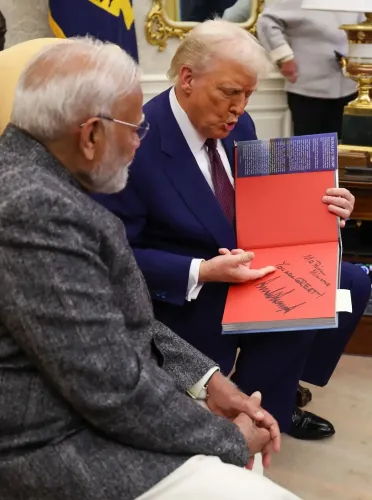
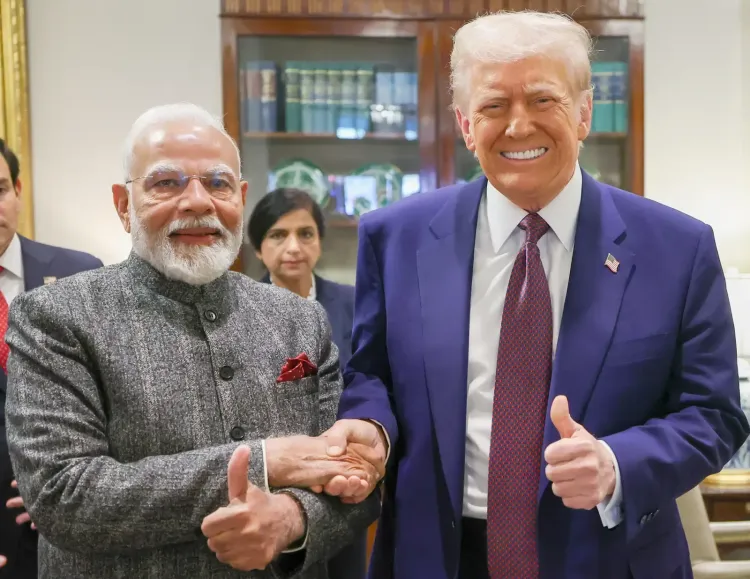
The White House's emphasis on the personal rapport between Trump and Modi reflects a broader diplomatic pattern: strong leader-to-leader ties have historically accelerated movement on stalled bilateral files, even when structural disagreements persist on issues such as tariffs and market access. This is the Trump administration's most direct public affirmation of the relationship since Modi's re-election.
India's Rising Global Profile
Modi's tenure has been marked by an expanded international footprint for India — deeper engagement with major powers, a louder voice in multilateral forums, and a self-styled role as a bridge between the Global South and the developed world. That positioning has made New Delhi a sought-after partner in Washington's strategic calculus, particularly as the US recalibrates alliances in the Indo-Pacific.
With the bilateral agenda encompassing semiconductor supply chains, defence co-production, and immigration-linked trade dynamics, the next phase of the Modi-Trump relationship will be watched closely by policymakers on both sides.
Point of View
But it also underscores the transactional nature of this alignment: leader-dependent bonds can shift faster than treaty obligations. Washington's silence on trade friction, even as it praised the alliance, reveals the gap between the rhetorical and the operational. For India, the real test of 'strongest ally' status will come not in milestone statements, but in whether the US reciprocates on critical technology access, visa policy, and tariff concessions currently under negotiation.
NationPress
8 Oct 2026
Frequently Asked Questions
What did the White House say about India on PM Modi's 25-year milestone?
The White House called India 'one of the United States' strongest allies' and credited President Trump's personal relationship with PM Modi for bolstering bilateral ties. The statement, delivered by spokesperson Anna Kelly on 8 October 2026, came in response to a question about the White House's assessment of Modi's 25 years in public office.
When did PM Modi complete 25 years in public office?
PM Modi completed 25 years in continuous public office on 7 October 2026. He first took office as Chief Minister of Gujarat on 7 October 2001, serving in that role until May 2014 before becoming Prime Minister following the BJP's general election victory.
Did the White House announce any new India-US policy or initiative?
No. The White House statement did not announce any new bilateral initiative, policy decision, or diplomatic development. It was a reactive comment offered in response to a media question about Modi's milestone.
How strong is the India-US relationship currently?
India and the United States have built extensive cooperation across defence, technology, trade, and strategic affairs over several administrations. However, the two countries do not have a formal mutual defence treaty, and differences on trade and other policy matters continue to be navigated.
How did world leaders react to PM Modi's 25-year milestone?
Leaders from around the world congratulated Modi, with several describing the achievement as a 'rare milestone in any democracy' and a 'powerful testament' to the confidence of the Indian people. Modi thanked them and reiterated his commitment to strengthening international cooperation.