CM Himanta pays tribute to Ram Vilas Paswan on death anniversary
Synopsis
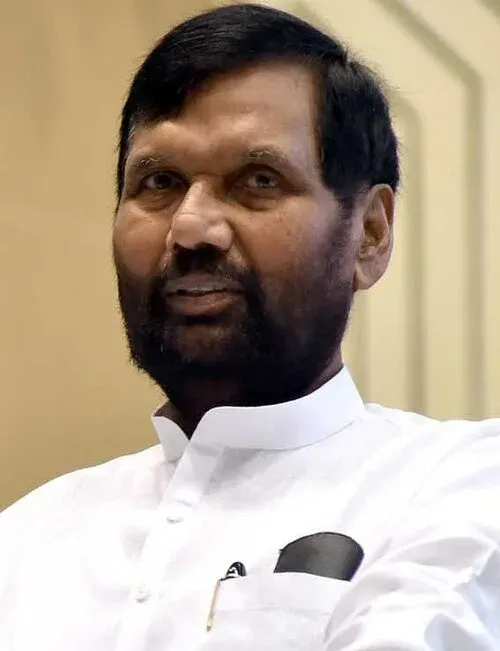
Assam Chief Minister Himanta Biswa Sarma marked the death anniversary of former Union Minister Ram Vilas Paswan on 8 October 2026, honouring the Dalit leader's decades-long public service and commitment to social justice for India's poor and marginalised communities.
Key Takeaways
Assam CM Himanta Biswa Sarma paid tribute to Ram Vilas Paswan on his death anniversary, 8 October 2026 .
Sarma remembered Paswan's 'long public life' in defence of the rights of the deprived and poor.
Ram Vilas Paswan , founder of the Lok Janshakti Party (LJP) , passed away on 8 October 2020 .
Paswan served as Union Minister across multiple governments spanning several decades.
He is remembered as one of India's most prominent Dalit political leaders from Bihar .
The tribute reflects the NDA coalition's ongoing recognition of Paswan's legacy in social justice politics.
On the death anniversary of one of India's most enduring champions of the marginalised, Assam Chief Minister Himanta Biswa Sarma paid tribute on 8 October 2026 to former Union Minister Ram Vilas Paswan, remembering him as a lifelong voice for the poor and the dispossessed.
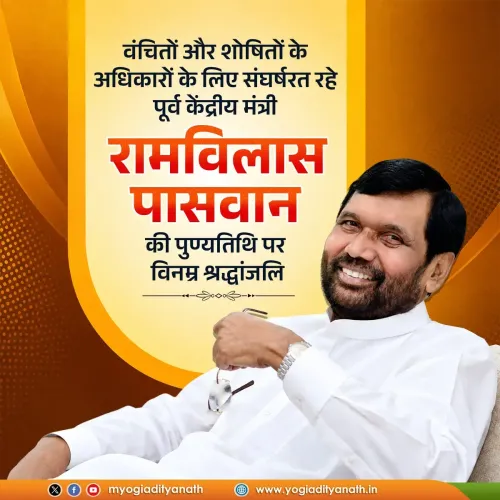
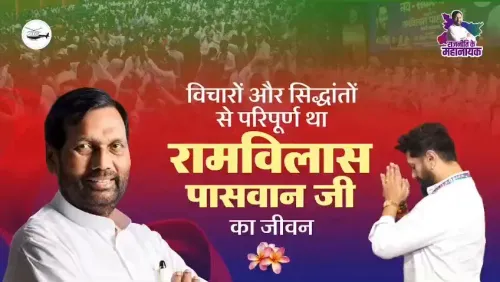
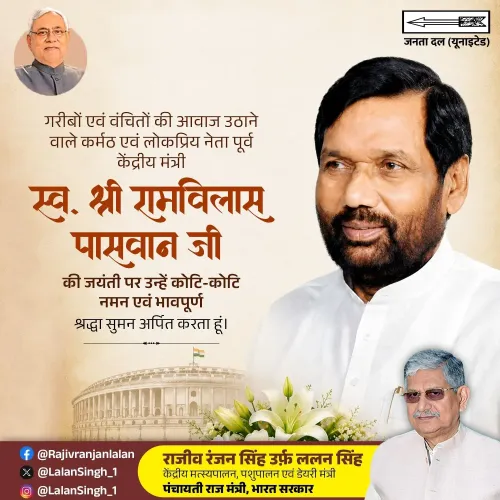
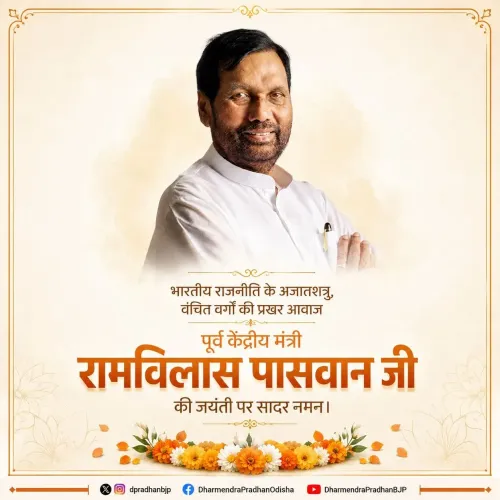
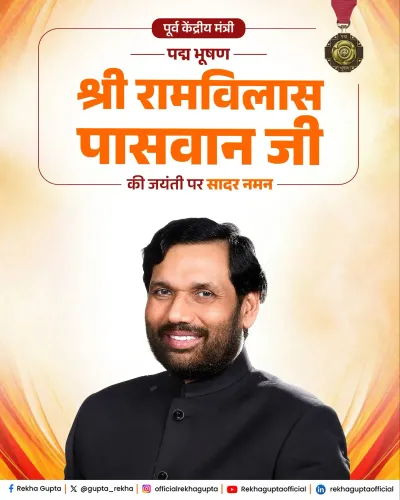
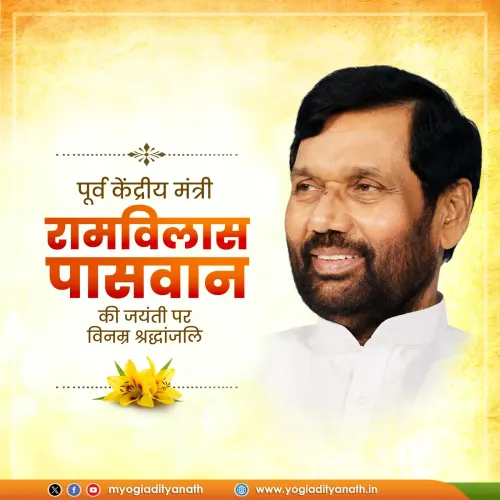
In a post on X, CM Sarma wrote — 'पूर्व केंद्रीय मंत्री एवं जननेता स्वर्गीय राम विलास पासवान जी की पुण्यतिथि पर उन्हें विनम्र श्रद्धांजलि' — offering 'humble tributes to the late Ram Vilas Paswan, former Union Minister and leader of the people, on his death anniversary.' He added that Paswan's long public life in defence of the rights of the deprived and poor, and his dedication to social justice, 'will always be remembered.'
A political life defined by the margins
Ram Vilas Paswan, who passed away on 8 October 2020, was one of independent India's most recognisable Dalit political leaders. A towering figure from Bihar, he served as a Union Minister across multiple governments spanning several decades — a rare distinction that reflected both his political longevity and his ability to remain relevant across ideological shifts.
Paswan founded the Lok Janshakti Party (LJP) and built his political identity squarely on the twin pillars of social justice and welfare for backward communities. He was a vocal advocate for Dalit rights and played a significant role in shaping national policy on food security and consumer affairs during his tenure as Union Minister.
Why Sarma's tribute carries regional weight
As the convenor of the North-East Democratic Alliance (NEDA) and a senior BJP leader, CM Sarma's remembrance underscores the NDA's continued effort to honour allies and icons whose legacy speaks to India's most vulnerable communities. The LJP remains a key partner within the broader NDA coalition, and tributes on Paswan's death anniversary from senior leaders across the alliance are a recurring political and social ritual.
Paswan's memory continues to be a reference point in conversations about Dalit empowerment, welfare architecture, and the politics of social inclusion — themes that resonate as much in the North-East as they do in the Hindi heartland.
Six years on, the question his legacy poses is urgent as ever: how far has India's political class truly moved the needle for those he spent a lifetime fighting for?
Point of View
At a time when the LJP remains an important coalition partner. For the BJP's broader outreach to Dalit and backward communities, annual remembrances of Paswan serve a dual purpose — honouring a genuine icon while signalling ideological continuity with his welfare agenda. That a senior NDA leader from the North-East chooses to mark this anniversary publicly also reflects how Paswan's symbolic stature has transcended his regional Bihar base to become a pan-India reference point for Dalit representation.
NationPress
8 Oct 2026
Frequently Asked Questions
When did Ram Vilas Paswan pass away?
Ram Vilas Paswan passed away on 8 October 2020. His death anniversary is observed annually on this date.
Who was Ram Vilas Paswan?
Ram Vilas Paswan was a prominent Dalit political leader from Bihar, founder of the Lok Janshakti Party (LJP), and former Union Minister who served across multiple governments over several decades.
Why did Himanta Biswa Sarma pay tribute to Ram Vilas Paswan?
Assam CM Himanta Biswa Sarma paid tribute on Paswan's death anniversary, honouring his lifelong dedication to social justice and the rights of poor and marginalised communities.
What was Ram Vilas Paswan known for politically?
Paswan was known as a champion of Dalit rights and social justice, and served as Union Minister in portfolios including food security and consumer affairs across governments of different political alignments.
What is the Lok Janshakti Party (LJP)?
The Lok Janshakti Party was founded by Ram Vilas Paswan and is based primarily in Bihar. It is a key constituent of the National Democratic Alliance (NDA) led by the BJP.