White House: Dr. Oz Adds 160 New Drugs to TrumpRx.Gov Platform
Synopsis
The White House announced that Dr. Mehmet Oz is adding 160 new prescription drugs to TrumpRx.Gov, expanding the federal consumer drug-pricing portal as part of the Trump administration's market-oriented push to lower out-of-pocket medicine costs for American patients.
Key Takeaways
The White House said 160 new prescription drugs are being added to TrumpRx.Gov .
The expansion was announced by Dr.
Mehmet Oz , a former Republican Senate candidate aligned with the administration's health agenda.
The platform is part of a wider Trump-era push to lower drug costs through transparency and market tools.
Earlier moves include the 2018 American Patients First blueprint and 2020 most-favored-nation pricing orders.
Indian generics suppliers, which account for a large share of US prescriptions, are key external stakeholders.
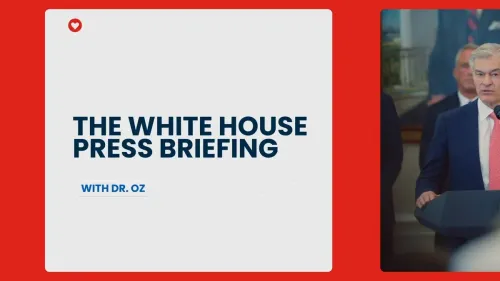
The White House announced on Tuesday, June 2, 2026 that Dr. Mehmet Oz has added 160 new prescription drugs to the federal consumer drug-pricing portal TrumpRx.Gov. The official communications account of the Executive Office of the President shared the update on X, framing the expansion as a significant scaling-up of the platform's catalogue.
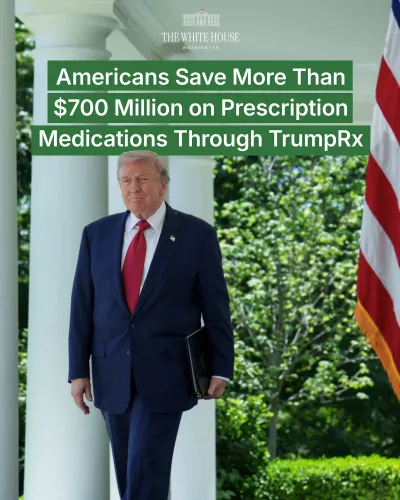
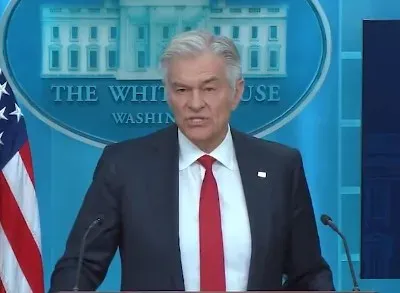
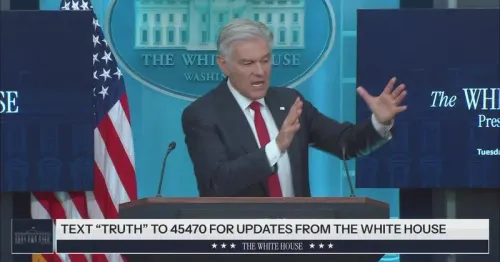
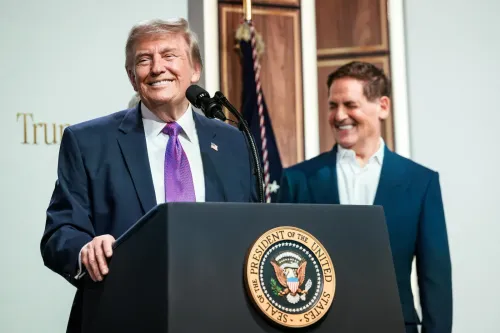
In its post, the White House declared: 'HUGE! Dr. Oz announces 160 new prescription drugs are being added to TrumpRx.Gov.' The message was accompanied by two images and tagged the platform's web address as the destination for the new listings.
Context
Dr. Mehmet Oz, the cardiothoracic surgeon and former television host who ran as a Republican Senate candidate in Pennsylvania in 2022, has been associated with the second Trump administration's consumer-facing health agenda. The TrumpRx.Gov platform is positioned by the administration as a direct channel for Americans to compare and access prescription medicines at lower negotiated prices.
The expansion to 160 additional drugs, according to the post, marks one of the largest single additions to the catalogue since its launch. The White House did not specify the therapeutic categories of the newly added medicines in the post itself.
Policy backdrop
The initiative sits within a longer arc of Republican-led efforts to restrain prescription drug costs through market-oriented mechanisms. In 2018, the first Trump administration released the American Patients First blueprint, which outlined a strategy to lower out-of-pocket costs through competition, transparency and rebate reform.
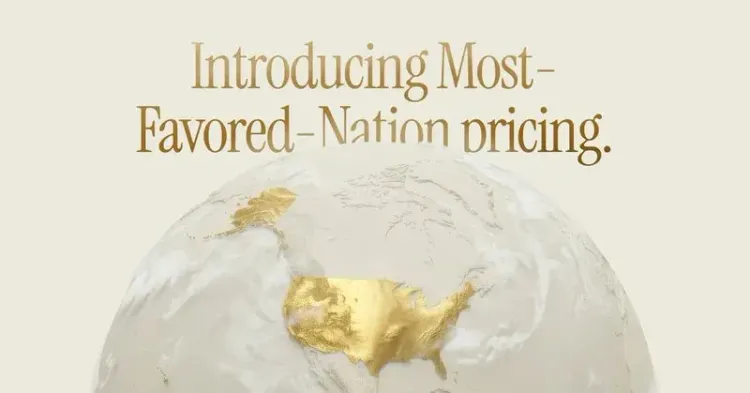
That was followed in 2020 by executive orders introducing a most-favored-nation pricing model for certain Medicare Part B drugs and facilitating state-level importation of lower-priced medicines from Canada. The current portal-based approach extends that philosophy by routing consumer access through a centralised federal website.
The broader pattern contrasts with the Democratic approach, which has prioritised statutory authority for Medicare to directly negotiate prices with manufacturers on a defined list of high-spend drugs.
Stakeholders and impact
The most immediate stakeholders are Medicare beneficiaries and the wider population of prescription drug users in the United States, particularly patients managing chronic conditions where monthly medicine costs run high. Pharmaceutical manufacturers, pharmacy benefit managers and retail pharmacy chains are the other key constituencies watching the rollout.
For Indian observers, the platform is relevant because India is one of the largest suppliers of generic medicines to the American market. Any expansion of a federally curated drug list — and the pricing terms attached to it — has downstream implications for Indian generics manufacturers that account for a significant share of US prescription volume.
What's next
Attention will turn to the rollout mechanics of the portal, including the pricing formulas used to set the listed rates, the pharmacy network handling fulfilment, and whether the 160 drugs include high-cost specialty therapies or are concentrated in widely prescribed maintenance categories.
Congressional follow-up on related transparency rules and any further importation authorisations will also shape how durable the platform becomes. For patients, the practical test will be whether listed prices on TrumpRx.Gov translate into measurably lower out-of-pocket costs at the pharmacy counter.
Point of View
The White House is building a visible, branded artefact of its health-cost agenda that voters can interact with directly. The real test lies not in the headline count of 160 drugs but in the pricing depth and pharmacy fulfilment behind them. For India's pharmaceutical exporters, the platform's evolution will be a key variable in US market access strategy.
NationPress
26 Sept 2026
Frequently Asked Questions
What is TrumpRx.Gov?
TrumpRx.Gov is a federal consumer drug-pricing platform promoted by the Trump administration to help Americans access prescription medicines at listed prices. The White House post indicates it now lists an expanded catalogue of drugs.
Who is Dr. Mehmet Oz?
Dr. Mehmet Oz is a cardiothoracic surgeon and former television personality who ran as a Republican Senate candidate in Pennsylvania in 2022 and is aligned with the Trump administration's health initiatives focused on consumer access and lower drug costs.
How many new drugs were added to TrumpRx.Gov?
According to the White House post, 160 new prescription drugs are being added to TrumpRx.Gov. The post did not specify the therapeutic categories of the newly listed medicines.
How does this affect Indian generic drug makers?
India is a major supplier of generic medicines to the United States, so any change in federally curated drug lists and pricing terms can influence demand and margins for Indian generics exporters serving the US market.
Is this part of a wider US drug-pricing policy?
Yes. The move builds on earlier Trump-era initiatives including the 2018 American Patients First blueprint and 2020 executive orders on most-favored-nation pricing and importation of lower-priced medicines.