Israel to keep troops in South Lebanon security zone, Katz says
Synopsis
Israel's Defence Minister has ruled out any military withdrawal from southern Lebanon, even as US-Iran negotiators meet in Switzerland to implement a peace MoU — with Iran explicitly tying final-deal talks to an end of hostilities on the Lebanon front. The two developments are directly linked: Israel's boots on the ground may be the single biggest obstacle to a broader regional deal.
Key Takeaways
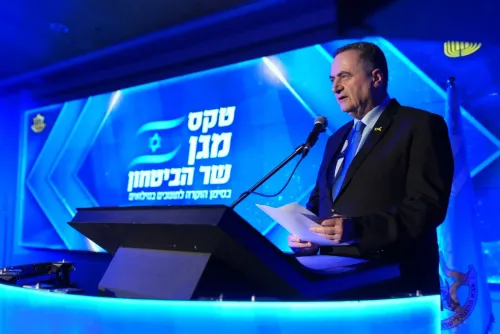
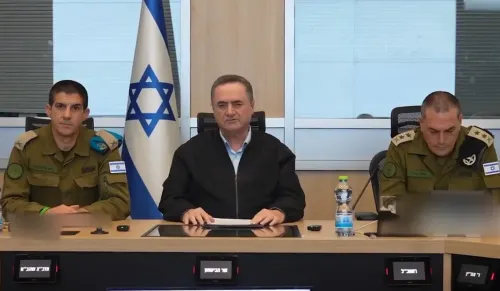
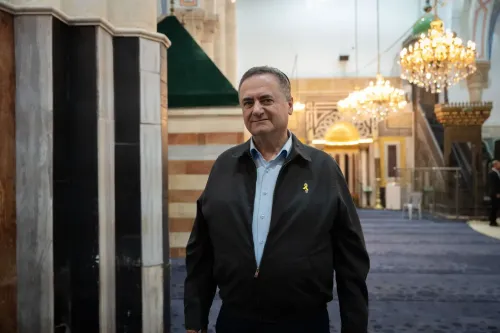
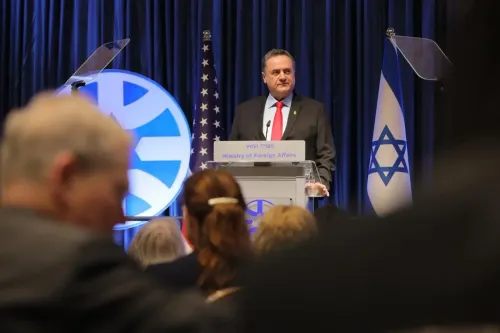
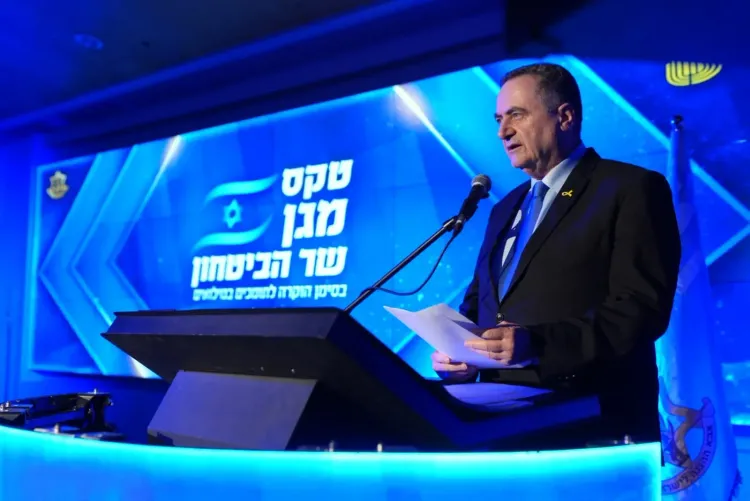
Israeli Defence Minister Israel Katz declared on 21 June that Israeli forces will not withdraw from the security zone in southern Lebanon .
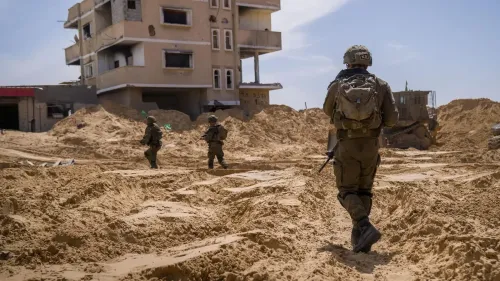
Katz confirmed there are no operational restrictions on Israeli soldiers in Lebanon to act against threats.
US Vice President JD Vance and Iranian Parliament Speaker Mohammad Bagher Ghalibaf led their respective delegations at Buergenstock, Switzerland for MoU implementation talks.
Iran's Foreign Ministry spokesman Esmaeil Baghaei said a ceasefire in Lebanon , lifting of the US naval blockade , and release of frozen assets are preconditions for final-deal negotiations.
The dual developments create a direct diplomatic link between Israel's military posture in Lebanon and the trajectory of US-Iran nuclear diplomacy.
Israeli Defence Minister Israel Katz declared on Sunday, 21 June that the Israeli military will not withdraw from the 'security zone' it holds in southern Lebanon, signalling a firm stance on maintaining territorial control despite an existing ceasefire arrangement. The statement underscores growing tensions along the Israel-Lebanon border as Hezbollah activity continues to draw Israeli military responses.
Katz's Position on the Security Zone
In a formal statement, Katz affirmed that Israeli forces would remain at all positions within the security zone, describing it as essential for protecting northern Israeli settlements. He stressed that soldiers stationed in Lebanon face no operational restrictions when it comes to neutralising threats. 'Preserving the lives of our soldiers and citizens is the highest and absolute priority,' Katz said.
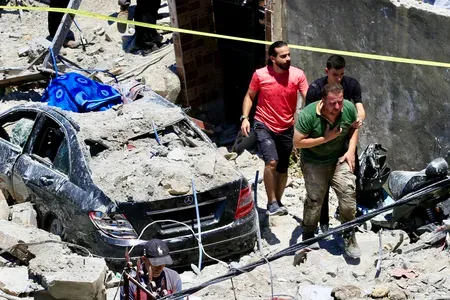
Following reported Hezbollah attacks on Israeli forces, the army responded with what officials described as forceful counter-operations, reportedly eliminating a number of Hezbollah militants and damaging what Israel characterised as terror infrastructure.
US-Iran Talks Begin in Switzerland
Separately, on the same day, US and Iranian negotiators convened at the Buergenstock mountain resort in central Switzerland to begin discussions on implementing a memorandum of understanding (MoU) signed by both sides, aimed at eventually reaching a final nuclear and security deal.
The US delegation was led by Vice President JD Vance, while the Iranian side was represented by Speaker of the Iranian Parliament Mohammad Bagher Ghalibaf. Their arrival at the resort was confirmed by the Swiss Federal Department of Foreign Affairs (FDFA).
Iran's Conditions for Final Agreement
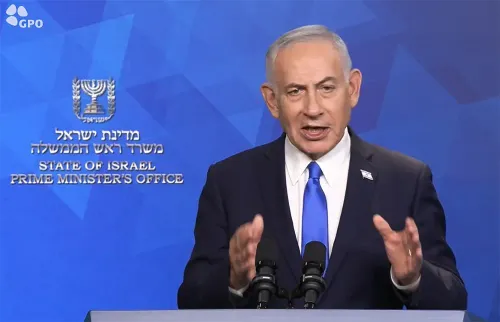
Iran's Foreign Ministry spokesman Esmaeil Baghaei said in a post on social media platform X that the meeting was focused on following up on MoU implementation, not yet on finalising a broader agreement. He outlined several preconditions Iran insists must be met before substantive final-deal negotiations can begin.
According to Baghaei, these conditions include ending the war on all fronts — including Lebanon, lifting the US naval blockade, reopening the Strait of Hormuz, the US issuing waivers for Iran's exports of crude oil, petroleum products and derivatives, and releasing Iranian frozen assets. 'Without implementing those provisions, especially the one related to ending the war on all fronts, it will not be possible to enter talks on the final agreement,' he stressed.
Why This Matters
The convergence of Israel's refusal to vacate southern Lebanon and Iran's insistence on a Lebanon ceasefire as a precondition for nuclear talks creates a significant diplomatic knot. Israel's continued military presence is effectively a variable in a far larger geopolitical equation — one that now directly implicates US-Iran diplomacy and regional stability. Notably, this is not the first time the Lebanon front has complicated broader Middle East negotiations; similar dynamics stalled talks during earlier ceasefire cycles.
What Comes Next
The outcome of the Buergenstock talks will be closely watched, particularly on whether the US moves on any of Iran's stated preconditions. Meanwhile, Israel's posture in southern Lebanon appears unlikely to shift in the near term, keeping the prospect of a comprehensive regional settlement uncertain.
Point of View
Which means every Israeli military action in the south directly complicates Washington's negotiating position in Switzerland. The Buergenstock talks risk becoming a holding pattern unless the US can deliver something on the Lebanon front, which Israel has shown no appetite to concede. The architecture of any durable regional settlement is, for now, caught between these two immovable positions.
NationPress
20 Sept 2026
Frequently Asked Questions
Why is Israel refusing to withdraw from southern Lebanon?
Israeli Defence Minister Israel Katz says the security zone in southern Lebanon is essential to protect northern Israeli settlements and that soldiers there have full authority to eliminate threats. Israel considers the zone a buffer against Hezbollah attacks.
What are the US-Iran talks in Switzerland about?
US and Iranian negotiators met at the Buergenstock resort in Switzerland on 21 June to discuss implementing a memorandum of understanding (MoU) already signed by both sides, as a step toward reaching a broader final agreement on security and nuclear issues.
What conditions has Iran set before final-deal talks can begin?
Iran's Foreign Ministry spokesman Esmaeil Baghaei stated that final-deal negotiations require ending the war on all fronts including Lebanon, lifting the US naval blockade, reopening the Strait of Hormuz, US waivers on Iranian oil exports, and the release of frozen Iranian assets.
How does Israel's Lebanon presence affect US-Iran diplomacy?
Iran has explicitly linked progress on a final nuclear and security deal to a ceasefire in Lebanon, meaning Israel's continued military presence in southern Lebanon is a direct obstacle to advancing the broader US-Iran negotiating track.
Who led the delegations at the Buergenstock talks?
US Vice President JD Vance led the American delegation, while Speaker of the Iranian Parliament Mohammad Bagher Ghalibaf headed the Iranian side. Their presence was confirmed by the Swiss Federal Department of Foreign Affairs (FDFA).