Netanyahu: IDF in southern Lebanon has full freedom of action
Synopsis
Even as US diplomacy in Switzerland inched toward a deconfliction framework for Israel and Hezbollah, Netanyahu on Monday declared the IDF in southern Lebanon faces zero operational restrictions — a pointed signal that Jerusalem's security calculus will not be subordinated to the negotiating table.
Key Takeaways
Benjamin Netanyahu declared on 22 June that IDF fighters in southern Lebanon have full freedom of action against any direct or emerging threat.
Netanyahu reaffirmed Israel's intent to maintain a presence in the southern Lebanon security zone for as long as required to protect northern residents.
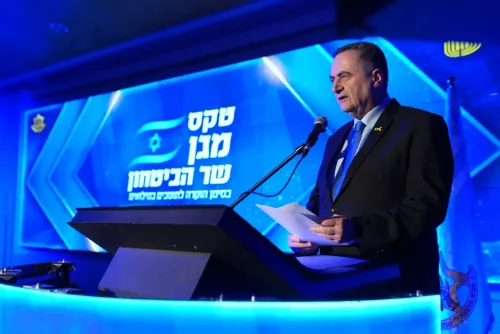
The statement followed a ceasefire order issued by Netanyahu and Defence Minister Israel Katz on Saturday .
US Vice President J D Vance reported 'very good progress' on a deconfliction mechanism from US-Iran talks in Switzerland .
Washington said it wants both Israel's security and Lebanon's sovereignty protected, describing the matter as 'an ongoing conversation'.
The US confirmed ongoing contact with Israel , Lebanon , Saudi Arabia , and the UAE throughout the negotiations.
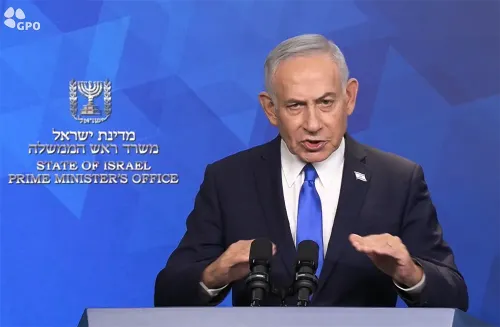
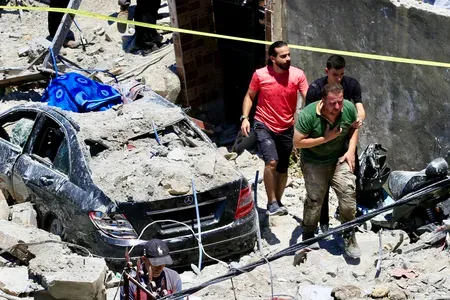
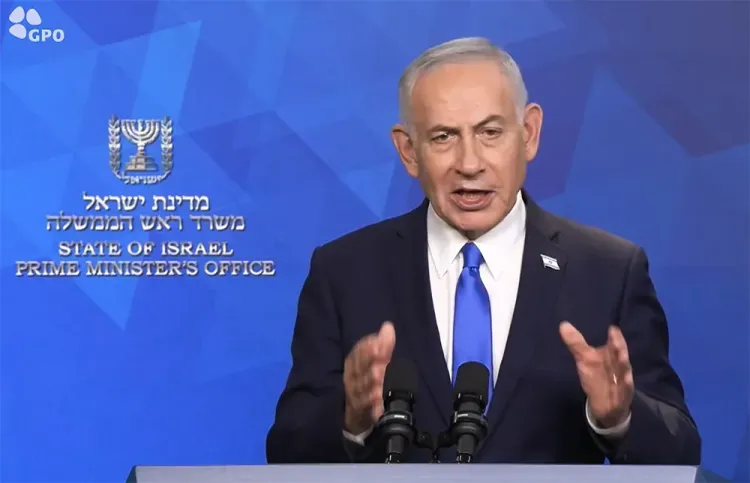
Israeli Prime Minister Benjamin Netanyahu on Monday, 22 June declared that Israeli Defence Forces (IDF) fighters deployed in southern Lebanon have been granted full freedom of action to neutralise any direct or emerging threat — whether against the troops themselves or against residents of northern Israel. The statement came as diplomatic activity around the Israel-Lebanon security situation intensified, with US-Iran negotiations underway in Switzerland.
Netanyahu's Directive to the IDF
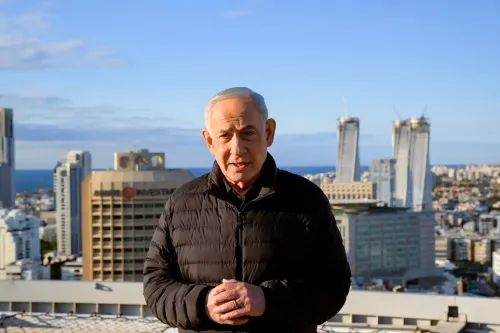
Speaking on Monday, Netanyahu made clear that his operational orders to the military, jointly issued with Defence Minister Israel Katz, remain unchanged. 'Our fighters in southern Lebanon have full freedom of action to thwart any direct or emerging threat against them or against the residents of the north. The IDF has no restrictions in this matter. I stand behind them, the entire nation stands behind them,' Netanyahu said.
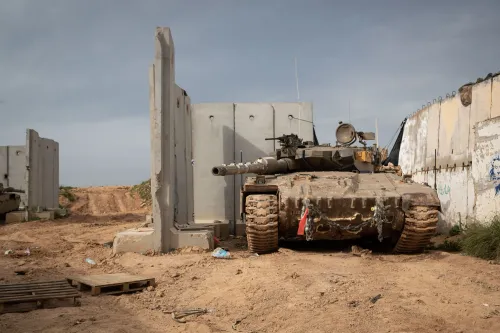
He further asserted that Israeli forces would maintain their presence in the security zone in southern Lebanon for as long as necessary. 'I stand firm on the fact that we will remain in the security zone in southern Lebanon for as long as is required to protect the residents of the north and all the citizens of the state,' he added. Notably, this affirmation came just days after Netanyahu and Katz had ordered the military to observe a ceasefire in Lebanon on Saturday.
US Diplomatic Push: A Deconfliction Mechanism
Earlier on Monday, US Vice President J D Vance briefed reporters on the progress of talks held in Switzerland between the United States and Iran. On the Lebanon dimension specifically, Vance said negotiators had achieved 'very good progress' in building what he described as a deconfliction mechanism — a framework aimed at preventing clashes between Israel and Hezbollah from spiralling into a wider regional conflict.
'We've been, I think, very good at setting up what we're calling a deconfliction mechanism,' Vance said. When asked whether Washington was pressing for an Israeli withdrawal from southern Lebanon, Vance offered a carefully balanced response: 'We want Israel's security to be protected, and we also want Lebanon's sovereignty to be protected. And this is going to be an ongoing conversation.'
Regional Partners in the Loop
Vance confirmed that the United States has maintained active contact with regional partners throughout the negotiation process, including Israel, Lebanon, Saudi Arabia, and the United Arab Emirates. The breadth of that diplomatic engagement signals Washington's intent to manage the conflict's spillover potential across the Gulf and the Levant simultaneously.
What This Means for the Region
Netanyahu's insistence on unrestricted operational latitude for the IDF — even as US diplomacy attempts to construct a deconfliction architecture — underscores the tension between Israel's security imperatives and the broader international push for de-escalation. This is not the first time Jerusalem has signalled that diplomatic processes will not constrain its military posture in Lebanese territory. The coming days will test whether the US-brokered deconfliction mechanism can hold against the backdrop of Netanyahu's declared freedom-of-action mandate.
Frequently Asked Questions
What did Netanyahu say about IDF operations in southern Lebanon?
Netanyahu declared on 22 June that IDF fighters in southern Lebanon have full freedom of action to neutralise any direct or emerging threat against troops or northern Israeli residents, adding that the IDF faces no restrictions in this matter.
Why is Israel still present in southern Lebanon?
Netanyahu stated that Israeli forces will remain in the southern Lebanon security zone for as long as necessary to protect residents of northern Israel and all Israeli citizens. The presence follows ongoing security concerns related to Hezbollah activity in the area.
What is the deconfliction mechanism mentioned by US VP Vance?
It is a diplomatic framework being developed through US-Iran negotiations in Switzerland, aimed at preventing clashes between Israel and Hezbollah from escalating into a broader regional conflict. Vance described 'very good progress' in establishing the mechanism.
Did Israel agree to a ceasefire in Lebanon?
Netanyahu and Defence Minister Israel Katz ordered the military to observe a ceasefire in Lebanon on Saturday, 21 June. However, Netanyahu's Monday statement made clear that IDF fighters retain full operational freedom to respond to direct or emerging threats.
Which countries is the US coordinating with over the Lebanon situation?
The United States has maintained contact with Israel, Lebanon, Saudi Arabia, and the United Arab Emirates throughout the negotiations, according to Vice President Vance.