Israel plans military zone along Litani River, threatens Beirut strikes
Synopsis
Israel is moving to formally militarise the Litani River corridor in southern Lebanon — a zone at the heart of a UN resolution Hezbollah never fully honoured. With Beaufort Castle captured, rockets still flying toward northern Israel, and Netanyahu ordering fresh Beirut strikes, the ceasefire is effectively unravelling in real time.
Key Takeaways
Israeli Defence Minister Israel Katz vowed on 1 June to turn the Litani River area into a military-controlled zone.
PM Netanyahu and Katz jointly ordered strikes on Beirut's southern suburbs , citing repeated Hezbollah ceasefire violations.
Israeli forces captured the strategic Beaufort Castle on the Beaufort Ridge in southern Lebanon, raising the Israeli flag and the Golani Brigade flag.
Hezbollah continued firing rockets and drones toward northern Israel on Monday morning; some were intercepted, others fell in open areas without casualties.
The IDF destroyed the launcher used to fire rockets at Tiberias on Sunday night, with no injuries reported.
The Litani River zone is central to UN Security Council Resolution 1701 (2006), which Hezbollah has never fully complied with.
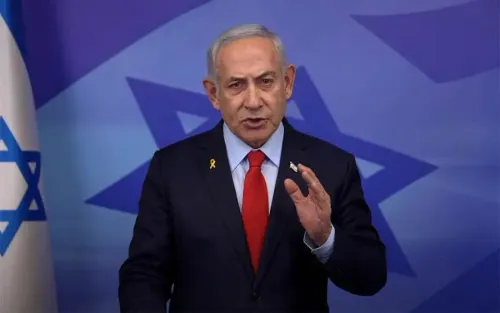
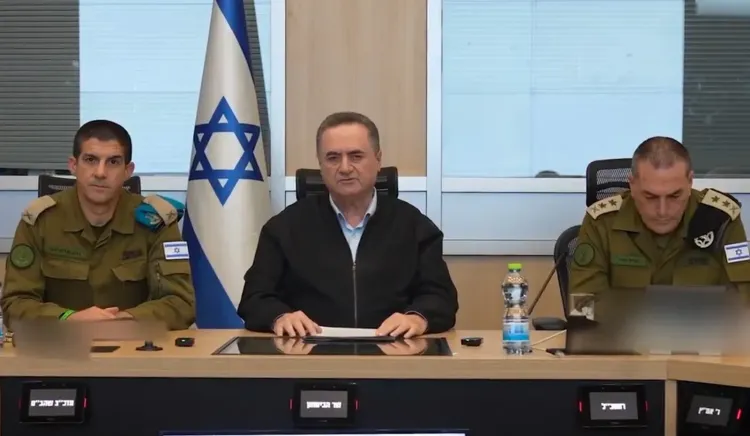
Israeli Defence Minister Israel Katz on Monday, 1 June vowed to convert the area around southern Lebanon's Litani River into a military-controlled zone, warning that strikes on Beirut would continue until Hezbollah halts its attacks on Israeli territory. The declaration signals a significant escalation in Israel's operational posture in southern Lebanon.
Katz's Warning to Beirut
In a statement released by his office, Katz issued a stark ultimatum: if there is no peace in northern Israel, 'there will be no peace in Beirut.' The defence minister's remarks come as Israeli forces deepen their foothold in Lebanese territory previously held by Hezbollah.
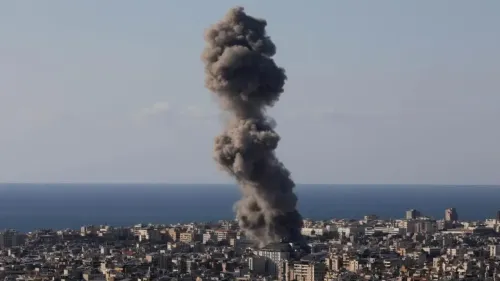
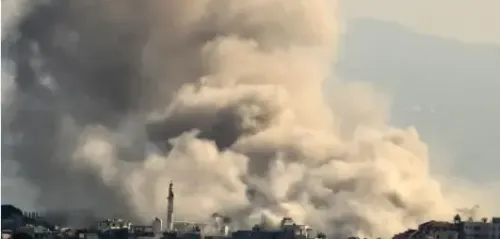
Later on Monday, Prime Minister Benjamin Netanyahu and Katz issued a joint statement confirming they had ordered the military to strike Beirut's southern suburbs, citing what they described as 'repeated Hezbollah violations' of the ceasefire in Lebanon.
Beaufort Castle Capture and Netanyahu's Statement
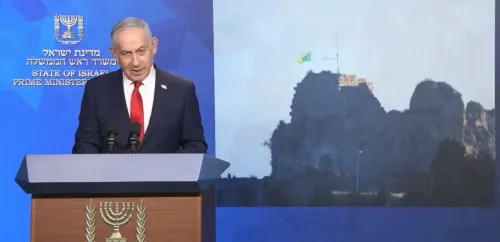
On Sunday, Netanyahu announced in a videotaped statement that he had directed the military to 'deepen and expand' its grip on Lebanese areas held by Hezbollah. The instruction followed the capture of the strategically significant Beaufort Ridge, including the historic castle at its summit, in southern Lebanon.
'Last night, our heroic fighters captured the Beaufort Castle. They proudly raised the flag of the State of Israel and the flag of the Golani Brigade there,' Netanyahu said. He added: 'I remind you that 44 years ago, this place was a symbol of a heroic battle by our fighters, but it was also a symbol of deep division among us. Today, we returned to Beaufort differently. We returned united, determined and stronger than ever.'
According to the Israel Defence Forces (IDF), Hezbollah had used the Beaufort Ridge as a hub for directing military and combat operations, and had launched numerous attacks from the area.
Ongoing Rocket and Drone Attacks
The Israeli military reported that throughout Monday morning, Hezbollah continued launching rockets and drones toward northern Israel. Some projectiles were successfully intercepted, while others fell in open areas without causing casualties. The IDF also confirmed it had destroyed the launcher used by Hezbollah to fire rockets on Sunday night toward Tiberias, a city in northeastern Israel, with no injuries reported in that incident.
Ceasefire Under Strain
The joint Netanyahu-Katz statement framing the Beirut strike order as a response to ceasefire violations suggests the fragile truce in Lebanon is under severe stress. This comes amid a pattern of tit-for-tat exchanges that have persisted despite earlier diplomatic efforts to stabilise the Israel-Lebanon frontier. Notably, the Litani River zone has long been a focal point of UN Security Council Resolution 1701, which called for Hezbollah's withdrawal north of the river following the 2006 war — a condition that has never been fully implemented.
What Comes Next
With Israel now signalling intent to formally militarise the Litani corridor and authorising fresh strikes on Beirut's suburbs, international pressure on both sides is expected to intensify. The situation in southern Lebanon and the broader Israel-Hezbollah front remains volatile, with the risk of further escalation high.
Point of View
As Netanyahu himself noted — is designed as much for domestic Israeli audiences as for deterrence. What is missing from both the Israeli statements and international reaction is a credible off-ramp: without one, the cycle of ceasefire violations and retaliatory strikes has no structural end. The real question is whether any third-party guarantor has the leverage to enforce a buffer that the 2006 framework promised but never delivered.
NationPress
20 Sept 2026
Frequently Asked Questions
What is Israel's plan for the Litani River zone in Lebanon?
Israeli Defence Minister Israel Katz announced on 1 June that Israel intends to turn the area around southern Lebanon's Litani River into a military-controlled zone. The move is framed as a response to ongoing Hezbollah attacks on northern Israel.
Why did Israel order strikes on Beirut's southern suburbs?
Prime Minister Benjamin Netanyahu and Defence Minister Israel Katz jointly ordered the strikes, citing repeated Hezbollah violations of the ceasefire in Lebanon. Katz warned that there would be 'no peace in Beirut' as long as northern Israel remained under attack.
What is the significance of the Beaufort Castle capture?
Israeli forces captured the Beaufort Castle on the Beaufort Ridge in southern Lebanon, a site the IDF says Hezbollah used to direct military operations and launch attacks. Netanyahu described the capture as symbolically significant, referencing a battle fought there 44 years ago.
Is the Lebanon ceasefire still holding?
The ceasefire is under severe strain. Hezbollah continued launching rockets and drones toward northern Israel on Monday morning, and Israel responded by ordering strikes on Beirut's southern suburbs, with both sides trading accusations of violations.
What is UN Security Council Resolution 1701 and why does it matter here?
Resolution 1701, passed after the 2006 Israel-Hezbollah war, called for Hezbollah to withdraw its forces north of the Litani River and for the area to remain free of armed groups. Israel's latest move to militarise the Litani zone is a direct consequence of that resolution never being fully implemented.