IDF captures Beaufort Castle in southern Lebanon, Netanyahu orders deeper push
Synopsis
Israel's seizure of Beaufort Castle — a medieval fortress with deep resonance from the 1982 Lebanon War — is more than a tactical gain. Netanyahu's simultaneous order to 'deepen and expand' beyond the Litani River signals a deliberate escalation, transforming what began as a counter-Hezbollah operation into a sustained territorial push with no clear exit timeline.
Key Takeaways
The IDF captured Beaufort Castle in southern Lebanon on Sunday, 1 June 2025 , after entering the Beaufort Ridge and Wadi al-Saluki areas.
Prime Minister Benjamin Netanyahu confirmed the capture and ordered forces to 'deepen and expand' control over former Hezbollah -held territory.
Israeli forces have crossed the Litani River , a significant threshold under UN Security Council Resolution 1701 .
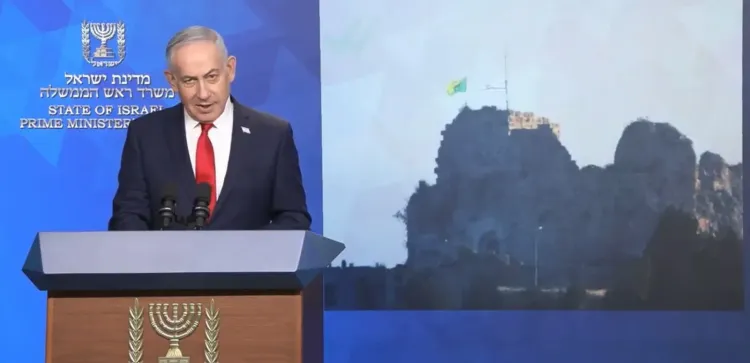
The Golani Brigade raised the Israeli flag at Beaufort Castle — the same site where Israeli forces fought a defining battle 44 years ago during the 1982 Lebanon War.
Netanyahu framed the operation as part of a multi-front campaign spanning Lebanon, Gaza, and Syria , aimed at establishing security zones beyond Israeli borders.
The Israel Defense Forces (IDF) on Sunday, 1 June 2025, announced the capture of Beaufort Castle in southern Lebanon, following ground operations into the Beaufort Ridge and Wadi al-Saluki areas. Israeli Prime Minister Benjamin Netanyahu confirmed the seizure and simultaneously ordered the IDF to deepen and expand its military footprint in Lebanese territory previously held by Hezbollah.
The Capture and What It Signals
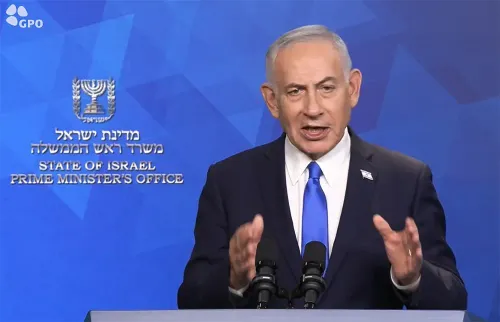
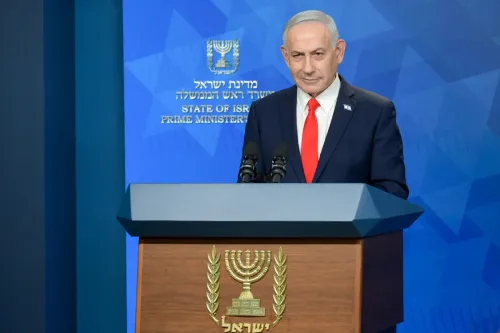
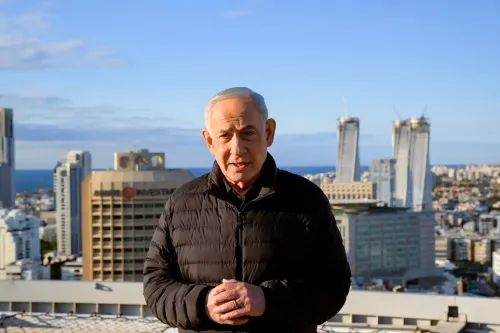
'Last night, our heroic fighters captured the Beaufort Castle. They proudly raised the flag of the State of Israel and the flag of the Golani Brigade there,' Netanyahu said in a statement on Sunday. The Golani Brigade's flag flying over the medieval hilltop fortress — visible across the Lebanon-Israel border — carries unmistakable symbolic weight.
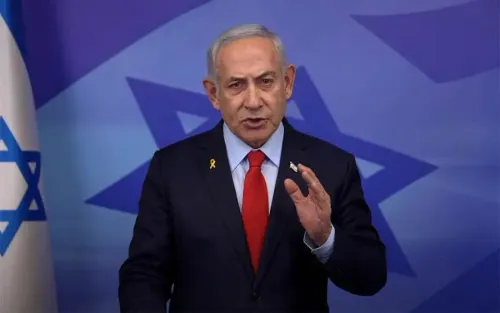
Netanyahu invoked history in his remarks, noting that 44 years ago the same site was the scene of a fierce battle that also exposed deep domestic divisions. 'Today, we returned to Beaufort differently. We returned united, determined and stronger than ever,' he said.
IDF's Operational Objectives
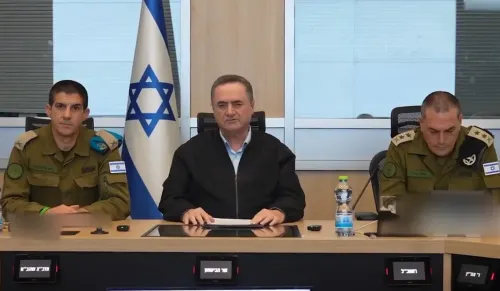
According to the IDF, the operation is aimed at establishing operational control over the Beaufort Ridge and the Wadi al-Saluki corridor, while simultaneously degrading Hezbollah's military capabilities in the region. The IDF stated that Hezbollah had used the Beaufort Ridge to direct military and combat activities and had launched numerous attacks from the area.
Israeli forces have also crossed the Litani River — a geographic and political threshold that carries significant weight under UN Security Council Resolution 1701, which ended the 2006 Lebanon war and called for Hezbollah's withdrawal north of the river.
Netanyahu Orders Expansion
'Our forces have crossed the Litani River. They took dominant terrain. They captured the Beaufort Ridge. And now my instruction is to deepen and expand our hold on places that were under Hezbollah's control,' Netanyahu said. He described the capture as a 'dramatic stage' and a 'significant shift' in his government's policy.
The Israeli premier framed the broader campaign as a multi-front operation: 'We are taking the initiative, we are operating on all fronts — in Syria, in Gaza, in Lebanon; we have established security zones beyond our borders to protect our communities,' he added.
Context: A 44-Year Echo
Beaufort Castle, a Crusader-era fortress perched on a ridge in the Nabatieh Governorate, has a layered military history. Israeli forces first captured it during the 1982 Lebanon War, holding it until withdrawal in 2000. That earlier battle became the subject of intense national debate in Israel over the cost of the occupation. The current recapture, Netanyahu argued, is categorically different — executed with national unity rather than division.
This comes amid an ongoing Israeli military campaign that has already reshaped the security landscape in Gaza and Syria. The crossing of the Litani River marks a significant escalation that is likely to draw scrutiny from the international community and UN peacekeeping forces stationed in southern Lebanon under UNIFIL.
What Comes Next
Netanyahu told brigade commanders on Friday that restoring security to northern Israeli communities — displaced by Hezbollah rocket fire — remains the stated objective. 'It will take more time, but we will restore security to the residents of the North, just as we did for the residents of the South,' he said. With the IDF now holding dominant terrain north of the Litani, the scope and duration of the Lebanese operation appear set to widen significantly.
Point of View
But the harder question is strategic: crossing the Litani River puts Israel in direct tension with Resolution 1701, the very framework that ended the 2006 war. Netanyahu's instruction to 'deepen and expand' suggests no near-term withdrawal plan, which risks a prolonged occupation — the same dynamic that made the original Beaufort battle a symbol of division. Whether this campaign ends with a durable security buffer or another cycle of entrenchment and eventual withdrawal will define its legacy far more than any flag-raising ceremony.
NationPress
20 Sept 2026
Frequently Asked Questions
What is Beaufort Castle and why is its capture significant?
Beaufort Castle is a Crusader-era hilltop fortress in southern Lebanon's Nabatieh Governorate with commanding views over the Israel-Lebanon border. Its capture is significant because the IDF says Hezbollah used the Beaufort Ridge to direct military operations and launch attacks, and because the site carries deep historical resonance from Israel's 1982 Lebanon War.
What did Netanyahu say about the Beaufort Castle capture?
Netanyahu confirmed the capture on Sunday, saying the Golani Brigade had raised Israel's flag at the castle. He also invoked the 1982 battle, saying Israel had 'returned united, determined and stronger than ever,' and described the seizure as a 'dramatic stage' and 'significant shift' in his government's policy.
Has Israel crossed the Litani River?
Yes. According to Netanyahu's statement, Israeli forces have crossed the Litani River in southern Lebanon. This is a significant escalation, as UN Security Council Resolution 1701 — which ended the 2006 Lebanon war — called for Hezbollah's withdrawal north of the river and is closely watched by international observers.
What are Israel's stated objectives in southern Lebanon?
The IDF says the operation is focused on establishing operational control over the Beaufort Ridge and Wadi al-Saluki area, and on degrading Hezbollah's military capabilities. Netanyahu has also stated a broader goal of restoring security to northern Israeli communities displaced by Hezbollah rocket fire.
How does this compare to Israel's 1982 Lebanon campaign?
Israeli forces first captured Beaufort Castle during the 1982 Lebanon War and held it until withdrawing in 2000. That occupation became a source of intense domestic debate in Israel. Netanyahu explicitly referenced this history on Sunday, arguing the current operation is being conducted with national unity rather than the divisions that marked the earlier campaign.