Israel orders strikes on Beirut's southern suburbs after Hezbollah violations
Synopsis
Israel has escalated sharply — ordering strikes on Beirut's southern suburbs for the first time, with US backing reportedly in place. With an IDF soldier killed, Beaufort Castle captured, and rockets still flying toward northern Israel, the ceasefire framework is effectively in collapse. Lebanon's parliament speaker insists Hezbollah wants peace; Israel's actions suggest it no longer believes that.
Key Takeaways
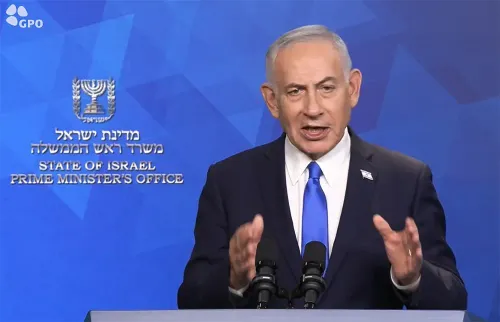
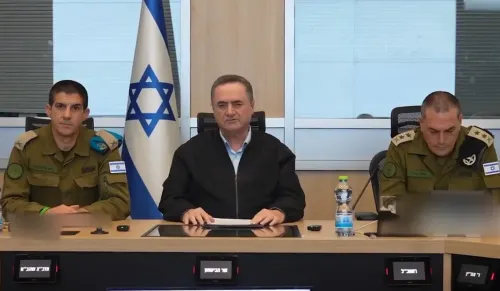
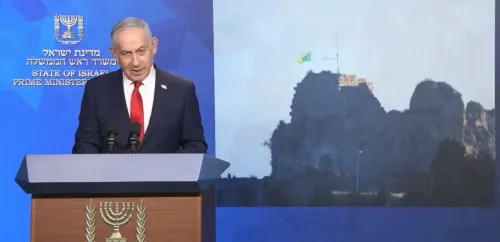
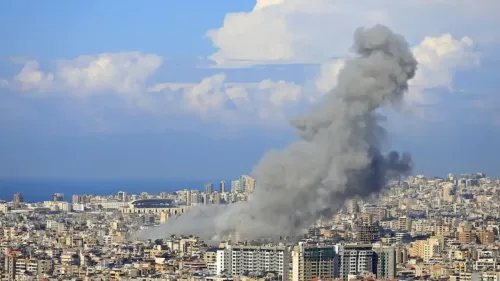
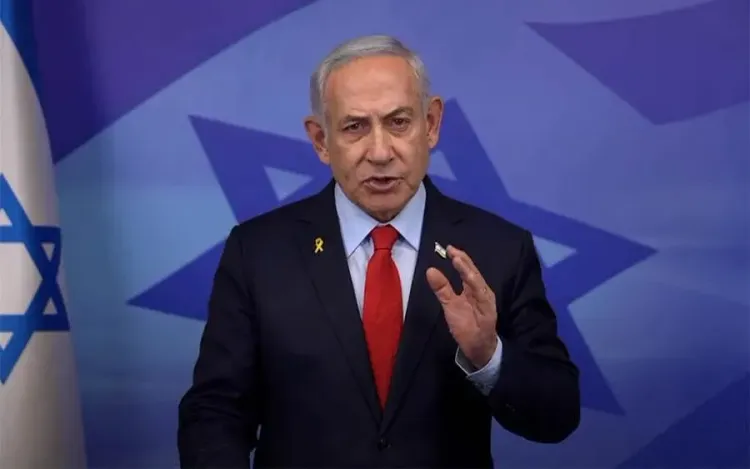
Prime Minister Benjamin Netanyahu and Defence Minister Israel Katz jointly ordered strikes on Beirut's southern suburbs on 1 June .
The order followed repeated Hezbollah ceasefire violations, including rocket and drone attacks on northern Israeli cities.
The United States reportedly approved Israel's request to expand military operations beyond southern Lebanon to include the capital.
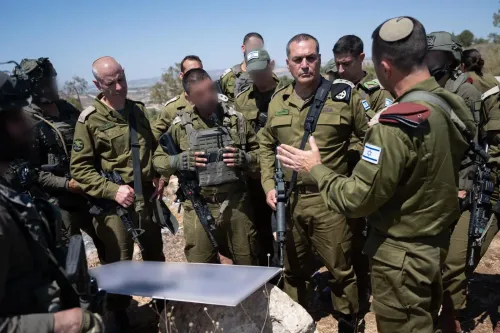
The IDF captured Beaufort Castle in southern Lebanon after entering the Beaufort Ridge and Wadi al-Saluki areas.
One Israeli soldier was killed and three others wounded — one seriously — in the village of Yohmor on Monday.
Lebanese Parliament Speaker Nabih Berri said Hezbollah is committed to a ceasefire and called on Israel to halt military operations.
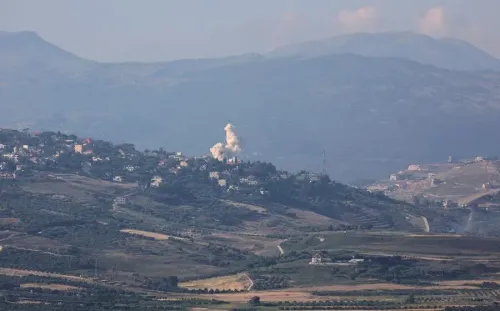
Israeli Prime Minister Benjamin Netanyahu and Defence Minister Israel Katz on Monday, 1 June issued a joint statement confirming they had ordered the military to carry out strikes on Beirut's southern suburbs. The order follows what Israeli officials described as repeated Hezbollah violations of the ceasefire in Lebanon, including rocket and drone attacks targeting northern Israeli cities.
Why the Order Was Issued
According to the joint statement, the strikes were authorised in direct response to sustained ceasefire breaches by Hezbollah. Israeli broadcaster Channel 12 News reported that the move came after the United States approved Israel's requests to expand its military activity in Lebanon — shifting from an initial focus on the country's south to now include airstrikes on the capital city.
Prime Minister Netanyahu also separately confirmed he had instructed the Israel Defense Forces (IDF) to expand its ground incursion into Lebanon.
IDF Captures Beaufort Castle
Earlier on Sunday, the IDF announced it had captured Beaufort Castle after entering the Beaufort Ridge and Wadi al-Saluki areas in southern Lebanon. According to the IDF, the operation aims to establish operational control over those areas and degrade Hezbollah's military capabilities. The IDF said Hezbollah had directed combat activities from the Beaufort Ridge and launched numerous attacks from the site.
Israeli Casualties and Ongoing Rocket Fire
On Monday morning, an Israeli soldier from an elite commando unit was killed in southern Lebanon by an explosive drone launched by Hezbollah. Three other Israeli soldiers were wounded — one of them seriously — in the village of Yohmor. Throughout Monday morning, Hezbollah continued launching rockets and drones toward northern Israel; some were intercepted, while others fell in open areas without reported casualties. The IDF also said it destroyed the launcher used in a Hezbollah rocket attack on Tiberias, a city in northeastern Israel, on Sunday night.
Lebanon's Position on the Ceasefire
Lebanese Parliament Speaker Nabih Berri said on Sunday that Hezbollah remains committed to a comprehensive and immediate ceasefire, and called for international efforts to compel Israel to halt its military operations. Berri argued that the conflict 'does not lie in the resistance's position on a ceasefire,' but rather in the continuation of Israeli operations, which he said have displaced thousands of Lebanese civilians and demolished villages and homes across multiple areas. He stressed that any de-escalation effort requires genuine guarantees that would obligate Israel to fully stop its attacks.
What Comes Next
With US backing reportedly secured for expanded operations and Israeli forces now targeting the Lebanese capital's southern outskirts, the conflict risks a significant escalation beyond its original geographic scope. International pressure for a durable ceasefire framework is expected to intensify as civilian displacement in Lebanon continues to mount.
Point of View
Not merely a geographic one. It signals that Washington has moved from restraining Israel to enabling a broader campaign, a posture that carries serious regional consequences. Nabih Berri's ceasefire overtures from Beirut now look politically stranded: Hezbollah may be signalling willingness to stand down, but Israel's operational tempo suggests it is pursuing military objectives that a ceasefire would interrupt. The civilian displacement toll and the demolition of villages that Berri described are the humanitarian ledger of that calculus — one that international mediators have so far failed to address with any binding mechanism.
NationPress
16 Oct 2026
Frequently Asked Questions
Why did Israel order strikes on Beirut's southern suburbs?
Israel ordered strikes on Beirut's southern suburbs on 1 June following what it described as repeated Hezbollah violations of the ceasefire in Lebanon, including rocket and drone attacks targeting northern Israeli cities. Prime Minister Netanyahu and Defence Minister Katz confirmed the order in a joint statement.
Did the United States approve Israel's expanded military operations in Lebanon?
According to Israeli broadcaster Channel 12 News, the US approved Israel's requests to expand military activity in Lebanon, shifting the focus from southern Lebanon to include airstrikes on Beirut. This has not been independently confirmed by official US statements cited in the source.
What happened at Beaufort Castle?
The IDF announced on Sunday that it had captured Beaufort Castle after entering the Beaufort Ridge and Wadi al-Saluki areas in southern Lebanon. The IDF said the operation aims to establish operational control over those areas and degrade Hezbollah's military capabilities.
What is Lebanon's official position on the ceasefire?
Lebanese Parliament Speaker Nabih Berri said on Sunday that Hezbollah is committed to a comprehensive and immediate ceasefire. He argued that the conflict stems from Israel's continued military operations — which he said have displaced thousands of civilians — rather than from Hezbollah's stance.
Were there Israeli casualties in the latest operations?
Yes. One Israeli soldier from an elite commando unit was killed in southern Lebanon by a Hezbollah explosive drone on Monday. Three other soldiers were wounded, one seriously, in the village of Yohmor.