Delhi L-G T.S. Sandhu pushes Waste-to-Wealth shift at MCD-IIT Delhi workshop
Synopsis
Delhi generates 13,000 metric tonnes of municipal waste daily — and the L-G wants that burden turned into an economic opportunity. At the first-ever MCD-IIT Delhi joint workshop on solid waste, T.S. Sandhu pushed for a circular economy shift, held up Indore as the blueprint, and put collective civic responsibility — not just the MCD — at the centre of the solution.
Key Takeaways
Sandhu called for a shift from a ‘Waste-to-Landfill’ to a ‘Waste-to-Wealth’ model at an MCD-IIT Delhi workshop on 1 September .
Delhi generates approximately 13,000 metric tonnes of municipal solid waste every day.
The workshop was the first institutional collaboration between the MCD and a premier academic institution on solid waste management.
Indore’s waste management model — including Zero Waste Wards and Zero Waste Colonies — was cited as the domestic benchmark for Delhi to replicate.
MCD Commissioner Sanjeev Khirwar outlined priorities: source segregation, organic waste conversion to compost and biogas, and dry waste recycling.
Delhi Mayor Pravesh Wahi called for strict enforcement and the development of selected wards as model sanitation showcases.
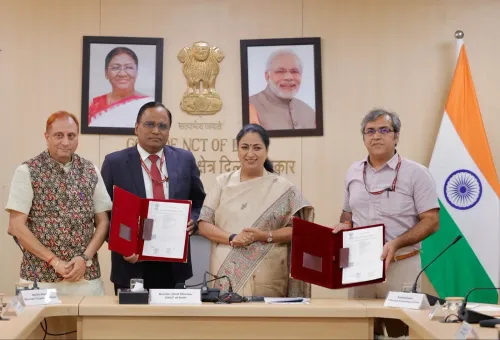
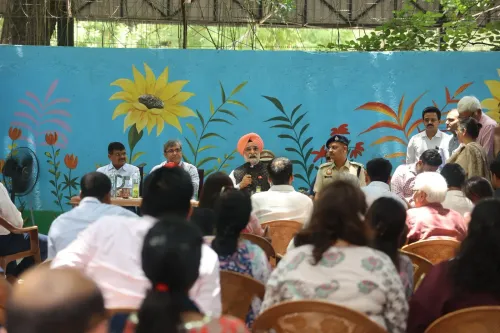
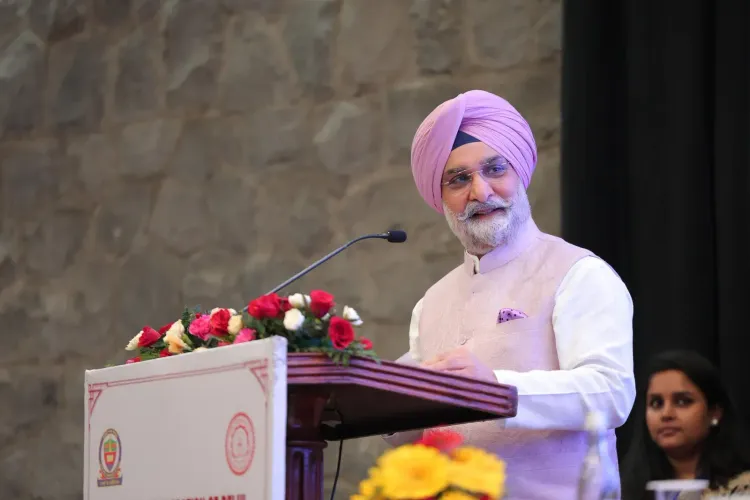
Delhi Lieutenant Governor T.S. Sandhu on Tuesday, 1 September called for a decisive shift from a ‘Waste-to-Landfill’ approach to a ‘Waste-to-Wealth’ model, underscoring that the national capital generates approximately 13,000 metric tonnes of municipal solid waste every day. His remarks came at the inauguration of a one-day brainstorming workshop on Municipal Solid Waste Management, jointly organised by the Municipal Corporation of Delhi (MCD) and IIT Delhi — the first such institutional collaboration between the civic body and a premier academic institution on this subject.
What the Workshop Covered
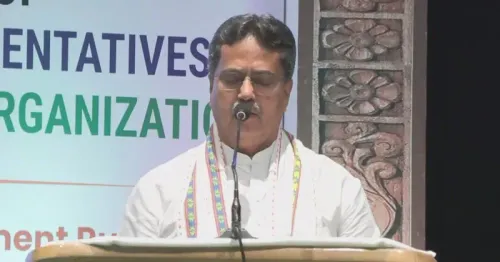
The event, themed ‘A Multi-Level/Multi-Stakeholder Strategy towards Circularity,’ brought together elected representatives, urban planners, waste management experts, and senior civic officials to chart a coordinated roadmap. L-G Sandhu stressed that scientific and sustainable management of municipal waste is not merely a cleanliness issue but is directly linked to public health, environmental protection, and the overall quality of life of Delhi’s residents.
He called for collective responsibility, stating that municipal bodies, Resident Welfare Associations (RWAs), market associations, industries, institutions, and individual citizens must all function as equal stakeholders — rather than treating sanitation as the MCD’s burden alone.
Indore Held Up as the Model to Replicate
L-G Sandhu singled out Indore as a benchmark of what disciplined, sustained municipal effort can achieve at scale. He called for Indore’s waste management model to be studied closely and adapted to Delhi’s unique scale, density, and local conditions. Indore Mayor Pushyamitra Bhargav, who was present at the workshop, highlighted the importance of behavioural change and decentralised waste management through initiatives such as Zero Waste Wards, Zero Waste Colonies, and Zero Waste Roads, driven by active community participation.
What Delhi’s Civic Leadership Said
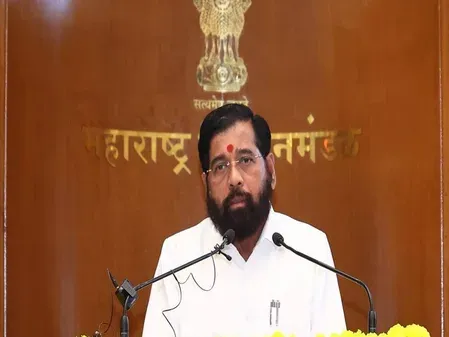
Delhi Mayor Pravesh Wahi described cleanliness as a collective responsibility and a top priority for building a healthier city. He pointed to recent progress — including the clearing of legacy landfill sites, strengthening of sanitation infrastructure, and deployment of new machinery — while also calling for strict enforcement and the development of selected wards as model sanitation showcases.
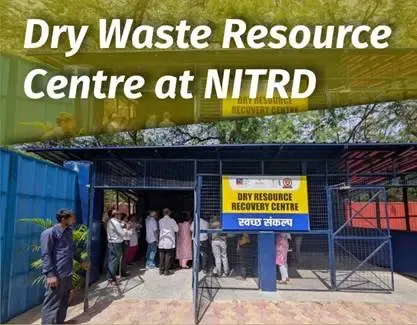
MCD Commissioner Sanjeev Khirwar outlined the corporation’s key priorities: source segregation, scientific waste processing, and resource recovery. He said the focus is on treating waste as a resource by converting organic waste into compost and biogas and recovering and recycling dry waste — a move from disposal-first thinking toward a circular economy framework.
Why This Matters for Delhi
Delhi’s landfill crisis has been a long-running civic emergency. The three legacy landfill sites — at Ghazipur, Bhalswa, and Okhla — have breached safe height limits and continue to pose fire and health hazards to surrounding neighbourhoods. This workshop, organised in pursuance of earlier directions issued by the L-G, signals a shift toward institutional and academic engagement in solving what has historically been treated as a purely administrative problem.
With urban India’s waste volumes projected to rise sharply over the next decade, the MCD-IIT Delhi collaboration could set a precedent for other metropolitan civic bodies grappling with similar challenges. The next steps — including whether recommendations from the workshop translate into actionable policy — will be closely watched.
Point of View
Bhalswa, and Okhla sites have been in breach of safe limits for years, and past MCD action plans have stalled at implementation. Invoking Indore is a well-worn rhetorical move in Indian urban governance; what Indore actually required was political will sustained over a decade, not a one-day brainstorm. The MCD-IIT Delhi collaboration is a promising institutional signal, but without measurable targets, enforcement timelines, and independent monitoring, the Waste-to-Wealth framing risks becoming another aspirational headline that does not move the needle on Delhi’s waste emergency.
NationPress
1 Sept 2026
Frequently Asked Questions
What is the Waste-to-Wealth model that Delhi L-G T.S. Sandhu is promoting?
The Waste-to-Wealth model refers to a circular economy approach to municipal solid waste — converting organic waste into compost and biogas, and recovering and recycling dry waste — rather than sending it to landfills. L-G Sandhu called for this shift at an MCD-IIT Delhi workshop on 1 September, citing Delhi’s daily output of 13,000 metric tonnes of municipal waste.
Why was the MCD-IIT Delhi workshop significant?
It was the first institutional collaboration between the Municipal Corporation of Delhi and a premier academic institution specifically on solid waste management. The workshop was held in pursuance of earlier directions issued by L-G Sandhu and brought together civic officials, elected representatives, and waste management experts.
Why is Indore being cited as a model for Delhi?
Indore has been consistently ranked India’s cleanest city under the Swachh Survekshan rankings, largely due to decentralised waste management, source segregation, and sustained community participation through initiatives like Zero Waste Wards and Zero Waste Colonies. L-G Sandhu called for Delhi to study and adapt Indore’s approach to its own scale and density.
What are MCD’s key waste management priorities going forward?
MCD Commissioner Sanjeev Khirwar outlined three priorities: source segregation at the household level, scientific processing of waste, and resource recovery. The focus is on converting organic waste into compost and biogas and recycling dry waste, moving the city toward a circular economy model.
Who attended the waste management workshop in Delhi?
The workshop was attended by Delhi Mayor Pravesh Wahi, Indore Mayor Pushyamitra Bhargav, MCD Commissioner Sanjeev Khirwar, Additional Commissioner Arun Kumar Mishra, Municipal Councillors, experts from IIT Delhi and the waste management sector, and senior MCD officers and engineers.