Delhi govt orders bus operators to enforce passenger safety norms

Synopsis
The Delhi government has put every bus operator in the capital on notice — comply with passenger safety norms or face enforcement action. From functional panic buttons and VLTDs to valid fitness certificates and authorised parking, the directives are sweeping, with special protection mandated for women and children commuters.
Key Takeaways
The Delhi Transport Department issued binding safety directives to all bus operators on 1 September .
All buses must have functional VLTDs and accessible panic buttons at all times.
Buses must carry serviceable fire extinguishers , first-aid kits , valid Fitness Certificates , and PUC Certificates .
Passenger boarding and alighting permitted only at designated bus stops ; stopping at intersections or mid-road is prohibited.
Special emphasis placed on safety of women and children ; violations may attract legal action.
Directions apply to all operators , including buses from other states operating in Delhi.
The Delhi government on 1 September issued binding directions to all bus operators in the capital, mandating strict compliance with safety, security, and operational standards for passenger protection. The order, issued by the Transport Department, applies to every bus operator — including interstate buses plying within Delhi — and carries the threat of enforcement action under the Motor Vehicles Act, 1988.
What the Minister Said
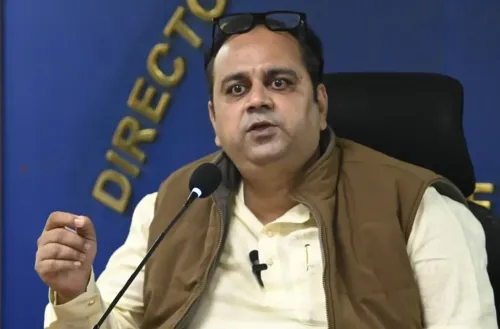
Transport Minister Pankaj Kumar Singh made clear that compliance must go beyond paperwork. 'Safety measures must be implemented in letter and spirit, not merely on paper. Bus operators must ensure that all required systems, equipment and procedures are in place and functioning properly,' he said. Singh added that the government will take strict action against violations.
The minister stated that the Delhi government, under the leadership of Chief Minister Rekha Gupta, is committed to strengthening passenger safety across the public transport ecosystem.
Key Safety Directives Issued
The Transport Department has laid out a detailed set of operational requirements. Every bus must have functional Vehicle Location Tracking Devices (VLTDs) and panic buttons that are easily accessible to passengers at all times. Buses must also carry serviceable fire extinguishers and first-aid kits.
Operators are required to park buses during night or idle hours only at authorised, secure, and adequately lit locations. Every bus must hold a valid Fitness Certificate, comply with applicable emission norms, and carry a valid Pollution Under Control (PUC) Certificate.
Traffic and Boarding Rules
Bus operators have been directed to follow applicable traffic rules and use designated bus lanes. Passenger boarding and alighting must occur only at designated bus stops or authorised locations. Stopping at unsafe or unauthorised spots — particularly in the middle of roads or at intersections — is strictly prohibited.
Operators have further been instructed to circulate these directives among their drivers and staff and ensure strict compliance at the ground level.
Special Focus on Women and Children
The directions place special emphasis on the safety and security of women and children, with officials noting that violations in this regard may invite action in accordance with the law. This underscores a broader push by the Delhi government to make public transport safer for vulnerable commuters.
Enforcement Mechanism
The Transport Department will conduct enforcement drives to verify compliance with these directions and other provisions of the Motor Vehicles Act, 1988. Operators found in violation face regulatory and legal consequences. The government has not yet specified a deadline for full compliance, but the directives are effective immediately as of the date of issuance.
Point of View
But its real test lies in enforcement — a perennial weak link in Indian public transport regulation. The inclusion of interstate buses is a meaningful step, given that many safety lapses involve non-Delhi operators who have historically evaded local scrutiny. The specific call-out of women and children's safety signals political intent, but without a published compliance timeline or a transparent penalty register, this risks being another well-worded circular that fades into the background. The Transport Department's track record on follow-through will determine whether this directive moves the needle or merely adds to the pile.
NationPress
17 Oct 2026
Frequently Asked Questions
What safety norms has the Delhi government directed bus operators to follow?
The Delhi Transport Department has directed all bus operators to maintain functional VLTDs and panic buttons, carry fire extinguishers and first-aid kits, hold valid Fitness and PUC Certificates, park only at authorised locations, and allow passenger boarding solely at designated stops. The directives are effective from 1 September.
Who does the Delhi bus safety directive apply to?
The directive applies to all bus operators running services in Delhi, including buses from other states that ply or operate within the capital. Operators are also required to circulate the instructions among their drivers and staff.
What action will be taken against bus operators who violate safety norms?
Transport Minister Pankaj Kumar Singh has warned of strict action against violations. The Transport Department will conduct enforcement drives under the Motor Vehicles Act, 1988, and operators found non-compliant face regulatory and legal consequences.
Why has special emphasis been placed on women and children in the directive?
The Delhi government has specifically highlighted the safety and security of women and children as a priority within the broader passenger safety push. Officials stated that violations related to their protection may invite action in accordance with the law.
What is a Vehicle Location Tracking Device (VLTD) and why is it mandatory?
A VLTD is a GPS-based device fitted to vehicles that allows authorities to monitor bus location in real time, aiding in emergency response and route compliance. The Delhi directive mandates that VLTDs remain functional and operational at all times, alongside accessible panic buttons for passengers.