Delhi mandates 100 GSM dust screens at all construction sites
Synopsis
Delhi has plugged a long-standing regulatory gap in its fight against construction dust — by finally prescribing a minimum 100 GSM standard for green nets at C&D sites. With Dust Portal 2.0 also in the works, the government is moving from symbolic compliance to measurable, enforceable action on one of the city's biggest pollution sources.
Key Takeaways
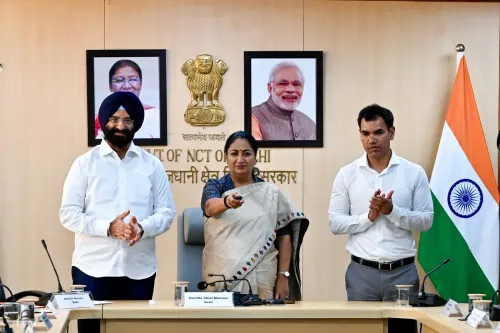
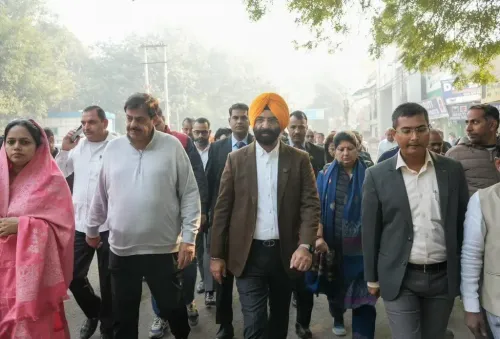
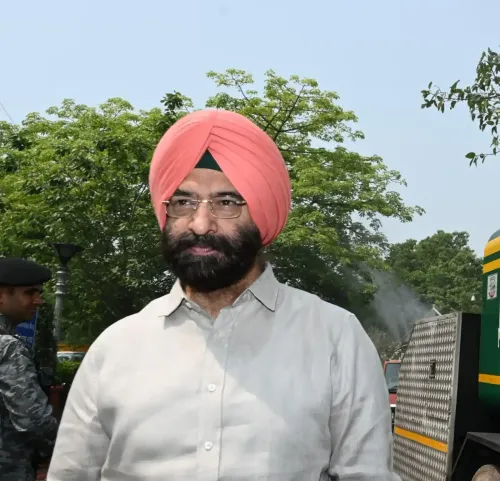
Delhi Environment Minister Manjinder Singh Sirsa announced the mandate on 11 May 2025 .
All construction and demolition sites must now use green nets with a minimum thickness of 100 GSM , effective immediately.
The order is issued by the Delhi Pollution Control Committee (DPCC) , following guidelines from the Commission for Air Quality Management (CAQM) .
Earlier rules required green nets but set no minimum technical specification — a compliance gap now addressed.
Dust Portal 2.0 is under development to provide centralised monitoring of all C&D sites in Delhi.
Registration of C&D sites on the dust portal has already been made mandatory.
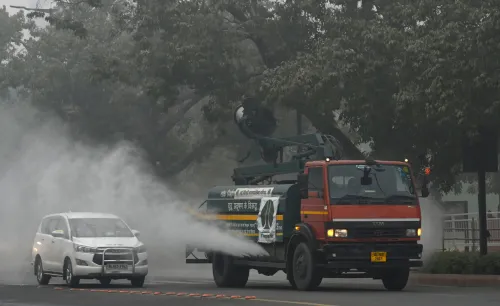
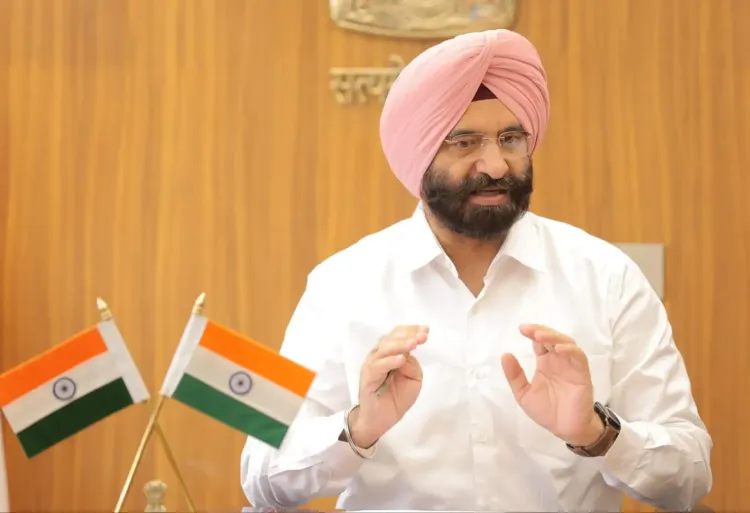
Delhi Environment Minister Manjinder Singh Sirsa on Monday, 11 May announced that the Delhi government has made high-density dust screens mandatory at all construction and demolition (C&D) sites across the capital, fixing a minimum thickness standard of 100 GSM for green nets used as dust barriers. The directive, issued by the Delhi Pollution Control Committee (DPCC), takes effect immediately and applies to all project proponents operating in the city.
The New Standard and What It Changes
Until now, while earlier directions required the use of tarpaulin or green nets around under-construction buildings and over stored construction material, no minimum technical specification had been prescribed for the nets themselves. The fixation of 100 GSM as the minimum standard closes this critical compliance gap, ensuring that dust barriers are genuinely effective in containing particulate matter at source rather than being merely symbolic.
The order follows guidelines laid down by the Commission for Air Quality Management (CAQM), which had issued directions for dust pollution control and inspection standard operating procedures for C&D projects across the National Capital Region.
What the Minister Said
Sirsa said,
Point of View
Making enforcement effectively toothless. The 100 GSM standard is a meaningful step toward measurable compliance, but its impact will depend entirely on ground-level inspection rigour, which has historically been the weakest link in Delhi's pollution enforcement chain. The planned Dust Portal 2.0 is promising, but digital oversight tools are only as effective as the human and institutional capacity behind them. With Delhi's air quality perennially among the worst in the world, the real test of this directive will be whether DPCC can enforce it consistently — not just in the weeks after the announcement.
NationPress
24 Sept 2026
Frequently Asked Questions
What is the new 100 GSM dust screen rule for Delhi construction sites?
The Delhi government has made it mandatory for all construction and demolition sites to use green nets with a minimum thickness of 100 GSM as dust barriers. The directive, issued by the DPCC, takes effect immediately and applies to all project proponents in the city.
Why was the 100 GSM standard introduced?
Earlier rules required green nets or tarpaulin at C&D sites but prescribed no minimum technical specification for the nets, creating a compliance gap. The 100 GSM standard ensures dust barriers are genuinely effective at containing particulate matter rather than merely symbolic.
Who issued the order for high-density dust screens in Delhi?
The order was issued by the Delhi Pollution Control Committee (DPCC), following guidelines laid down by the Commission for Air Quality Management (CAQM) for dust pollution control at construction and demolition projects.
What is Dust Portal 2.0 and how does it relate to this directive?
Dust Portal 2.0 is a digital platform under development by the Delhi government to provide centralised monitoring and compliance tracking for all C&D sites in the city. Registration of construction sites on the existing dust portal is already mandatory, and the new 100 GSM rule is expected to complement this digital oversight mechanism.
How does construction dust contribute to Delhi's air pollution?
Construction and demolition activities are a significant source of fugitive dust emissions — fine particulate matter that contributes to Delhi's chronically poor air quality. The DPCC's new specification targets this at source by ensuring dust screens meet a minimum effectiveness standard.