CM Sukhu Claims Historic BBMB Win for Himachal Pradesh
Synopsis
Himachal Pradesh CM Sukhvinder Singh Sukhu declared an historic BBMB victory on X, saying the Congress government recovered state rights left unimplemented for 15 years due to weak political will by previous administrations.
Key Takeaways
CM Sukhvinder Singh Sukhu announced a major win for Himachal Pradesh in its long-running dispute with the Bhakra Beas Management Board (BBMB) .
Sukhu alleged the state remained deprived of its rights for 15 years even after a court ruling in its favour, attributing the delay to 'weak political will' of previous governments.
The Congress government , which took office in December 2022 , claims it vigorously pursued the case and achieved the breakthrough.
The BBMB was constituted in 1976 under the Punjab Reorganisation Act to manage shared river projects across Punjab, Haryana, Himachal Pradesh and Rajasthan.
Any change in Himachal's power or water allocation from BBMB projects could have significant revenue and energy implications for the northern grid.
Responses from Punjab and Haryana , co-beneficiaries of BBMB resources, will be critical to watch as implementation proceeds.
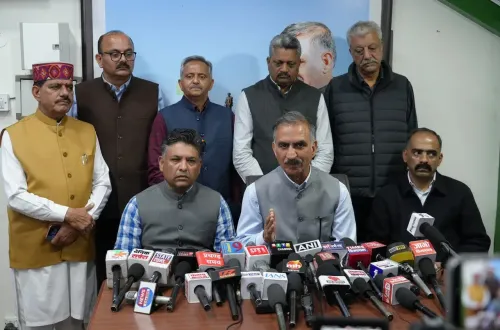
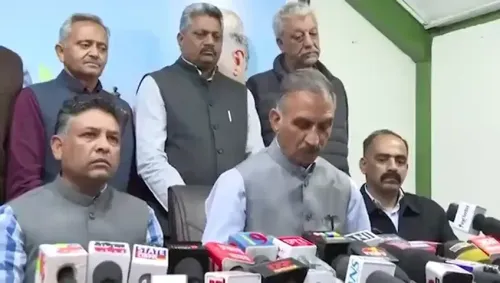
For fifteen years, a court verdict sat on paper while Himachal Pradesh waited — deprived of rights it had already won. On Tuesday, 10 November 2026, Himachal Pradesh Chief Minister Sukhvinder Singh Sukhu broke that silence on X, declaring that the Indian National Congress government had finally converted that long-dormant ruling into an 'historic victory' on the state's claims before the Bhakra Beas Management Board (BBMB) — and squarely blamed weak political will for the decade-and-a-half of delay.
Posting in Hindi, Sukhu wrote: 'BBMB ke mamle mein Himachal ke haq mein faisla aane ke baad bhi 15 saal tak pradesh apne adhikaron se vanchit raha. Vajah thi kamzor ichchhashakti.' ('Even after a decision in Himachal's favour in the BBMB matter, the state remained deprived of its rights for 15 years. The reason was weak political will.')
He added that the Congress government, from the moment it assumed power, 'vigorously pursued' the state's case and secured the breakthrough. Closing with a folk proverb — 'Elders say that if intent is pure and will is strong, the fight for rights can be taken to its destination' — Sukhu framed the win not just as a legal outcome but as a statement of governance character.
What BBMB Means to Himachal Pradesh
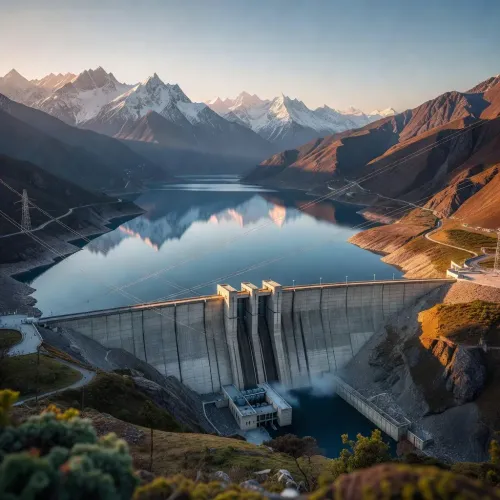
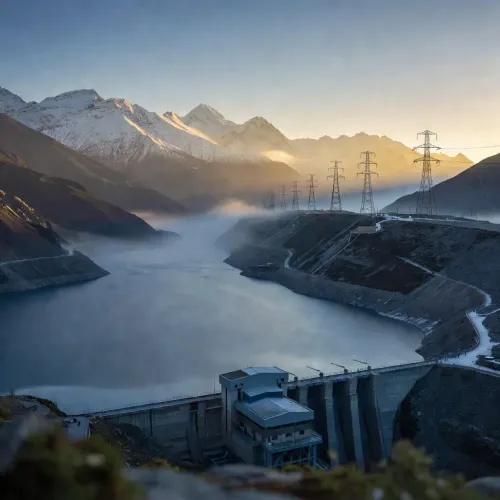
The Bhakra Beas Management Board was constituted in 1976 under the framework of the Punjab Reorganisation Act to oversee the operation of the Bhakra, Nangal and Beas river valley projects — massive hydel and irrigation infrastructure spread across Punjab, Haryana, Himachal Pradesh and Rajasthan. Because much of that infrastructure sits physically within Himachal's territory, the state has argued for decades that it deserves a larger share of power royalties and water allocations from those projects.
Successive state governments — from multiple parties — have taken the case to courts and central authorities since the 1990s. The pattern has been consistent: legal wins followed by sluggish or stalled implementation. Inter-state disputes over hydel royalties in the northern region have historically moved at the pace of the political will the state government of the day chose to invest in them.
Congress's Claim: From Dormant Verdict to Delivered Rights
Sukhu, who took office in December 2022 after the Congress won the Himachal Pradesh assembly elections, has consistently positioned his administration as an assertive actor in recovering the state's federal dues. His post explicitly draws the contrast: a favourable ruling existed before his government arrived; what changed was the intensity of follow-through.
The political subtext is sharp. By attributing the 15-year gap to 'weak will' — without naming the parties that held power during that window — Sukhu sets up a governance-performance argument ahead of the state's political cycle. The implication is plain: rights require not just courtrooms but champions.
The concrete stakes remain significant. Any revision in Himachal's power allocation or royalty structure from BBMB projects would directly affect state revenues and could ripple into electricity pricing and infrastructure funding across the northern grid. How Punjab and Haryana — co-beneficiaries of the same BBMB pool — respond to any reallocation will be the next chapter in this story.
Point of View
This is signature territory: positioning itself as the assertive recovery state against incumbents who let rights lapse. The BBMB dispute is also a proxy for the broader federal resource struggle that northern hill states routinely face against more powerful plains-state partners, making Sukhu's claim politically resonant beyond Himachal. The real test, however, is in the revenue line: until revised power or royalty allocations actually flow to Shimla, the 'historic victory' remains a political claim awaiting a balance-sheet confirmation.
NationPress
10 Nov 2026
Frequently Asked Questions
What is the BBMB dispute between Himachal Pradesh and other states?
The Bhakra Beas Management Board, constituted in 1976, oversees shared river projects across Punjab, Haryana, Himachal Pradesh and Rajasthan. Himachal Pradesh has long argued it deserves a larger share of power royalties and water allocations from projects situated within its territory, leading to decades of legal and political disputes.
What did CM Sukhu announce about the BBMB case?
CM Sukhvinder Singh Sukhu declared on 10 November 2026 that the Congress government had achieved an historic victory in the BBMB matter, claiming the state had been deprived of its court-mandated rights for 15 years due to weak political will, and that his government reversed this by vigorously pursuing the case.
Why was Himachal Pradesh deprived of its BBMB rights for 15 years?
CM Sukhu attributed the 15-year gap between the favourable ruling and its realisation to weak political will on the part of previous state governments, though the exact nature and date of the original ruling are yet to be officially detailed.
When did the Congress government come to power in Himachal Pradesh?
The Indian National Congress formed the government in Himachal Pradesh in December 2022 after winning the state assembly elections, with Sukhvinder Singh Sukhu sworn in as Chief Minister.
How does the BBMB outcome affect Himachal Pradesh's revenues?
A favourable revision in power royalty or water allocation from BBMB projects could significantly boost Himachal Pradesh's state revenues and strengthen its fiscal position, though the specific financial figures from the latest decision have not yet been officially disclosed.