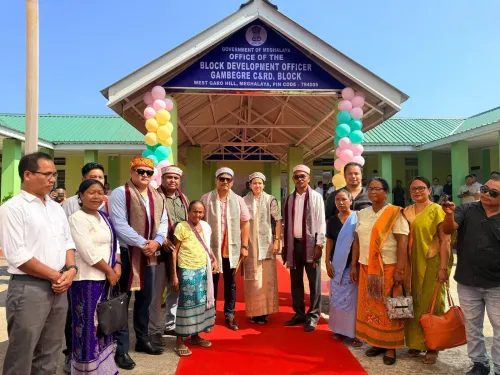
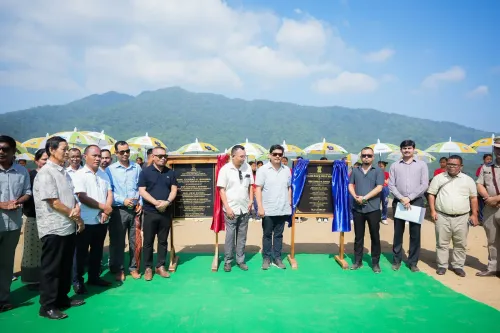
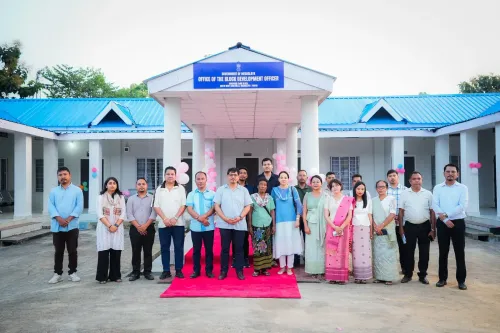
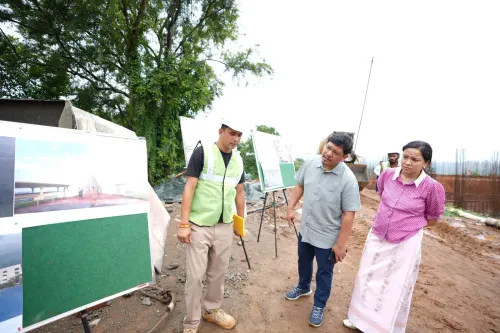
CM Conrad Sangma lays foundation for Rongjeng Admin Complex
Synopsis
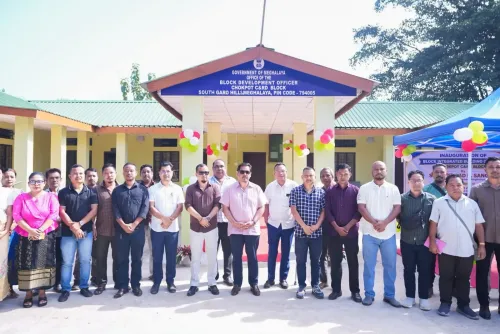
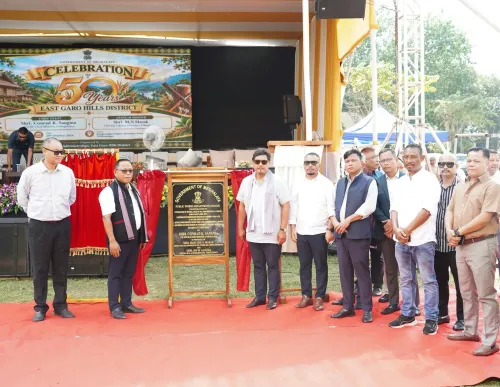
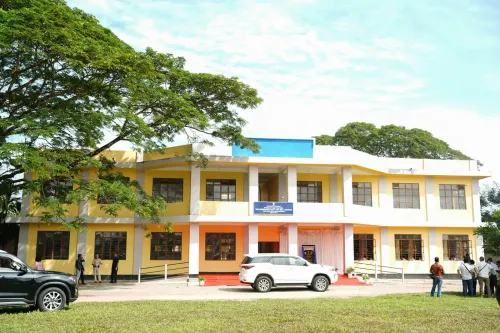
Meghalaya CM Conrad Sangma laid the foundation for a ₹7.49 crore Administrative Complex in Rongjeng, East Garo Hills, on November 10, 2026. The complex will consolidate all sub-divisional offices under one roof, sparing residents the long trip to Williamnagar for certificates, revenue work, and scheme access.
Key Takeaways
Meghalaya CM Conrad Sangma laid the foundation stone of the Rongjeng Civil Sub-Division Administrative Complex on November 10, 2026 .
The project is valued at ₹7.49 crore .
The complex is located in East Garo Hills District and will serve residents of Dambo Rongjeng and adjoining areas.
All sub-divisional offices will be consolidated under one roof, covering certificates, revenue matters, grievance redressal, and scheme access.
Residents will no longer need to travel to Williamnagar , the district headquarters, for routine administrative services.
The project is part of a broader push for decentralised, last-mile governance in Meghalaya.
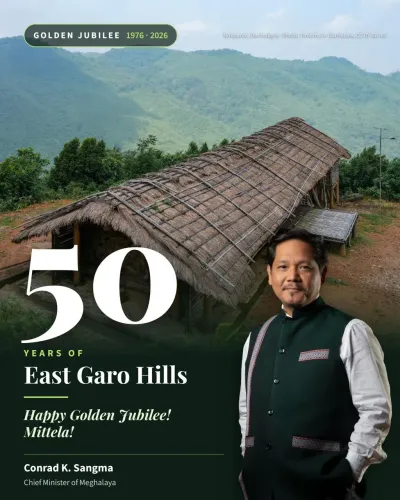
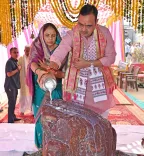
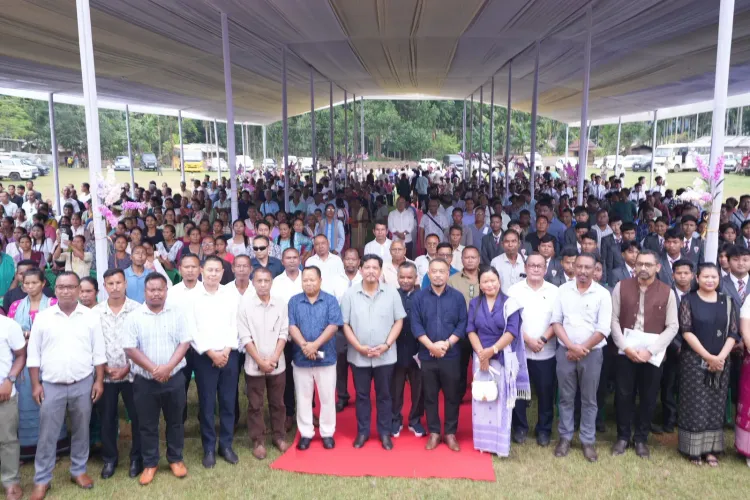
A ₹7.49 crore foundation stone now marks the beginning of a new era for residents of Dambo Rongjeng — one where a trip to a distant district headquarters to sort out a land record or apply for a government certificate may soon become a thing of the past. Meghalaya Chief Minister Conrad Sangma laid the foundation for the Administrative Complex of the Rongjeng Civil Sub-Division in East Garo Hills District on Tuesday, November 10, 2026.
One roof for all sub-divisional services in Rongjeng
The new complex is designed to consolidate all sub-divisional offices under a single building, eliminating the need for residents to travel long distances to access basic government services. As CM Sangma noted, the facility will cover a wide range of essentials — certificates, revenue matters, grievance redressal, and access to government schemes — bringing them within reach of the people of Dambo Rongjeng and its adjoining areas.
Critically, the complex means residents will no longer need to make the journey to Williamnagar, the headquarters of East Garo Hills, for routine administrative needs. For communities in hilly, remote terrain, that distance is not merely inconvenient — it is a genuine barrier to governance.
East Garo Hills and the governance gap the complex addresses
East Garo Hills is one of Meghalaya's more remote districts, with dispersed settlements and limited road connectivity making access to district-level offices a recurring hardship for ordinary residents. Sub-divisional administrative complexes of this kind serve as the first real point of contact between citizens and the state machinery — handling everything from land mutation records to income and domicile certificates.
By anchoring these functions at the sub-divisional level in Rongjeng, the project directly targets the last-mile delivery gap that has long defined governance challenges in the northeastern hills.
₹7.49 crore and what the investment signals
The ₹7.49 crore outlay is a targeted infrastructure spend aimed at administrative efficiency rather than spectacle. For a sub-divisional complex, it signals a deliberate push to build institutional capacity at the grassroots level — a foundation for processes, not just a building. CM Sangma described it as 'an important step towards bringing governance closer to our people,' framing the project within a wider commitment to decentralised service delivery across Meghalaya.
If the construction timeline holds, communities across the Rongjeng belt will soon find the machinery of government within reach — not waiting at the end of a long and uncertain road to Williamnagar.
Point of View
Where district and sub-divisional infrastructure spending is increasingly used to close the gap between state institutions and remote communities. For CM Conrad Sangma and the National People's Party, such targeted grassroots projects carry both administrative and political weight in a region where the state's physical presence has historically been thin. Consolidating offices at the sub-divisional level also reflects a national push toward single-window service delivery. The real test will be whether the complex, once built, is staffed adequately enough to deliver on its promise of frictionless access.
NationPress
10 Nov 2026
Frequently Asked Questions
What is the Rongjeng Civil Sub-Division Administrative Complex?
It is a government administrative building being constructed in Rongjeng, East Garo Hills, Meghalaya, at a cost of ₹7.49 crore. It will house all sub-divisional offices under one roof so residents can access certificates, revenue services, grievance redressal, and government schemes without travelling to Williamnagar.
Who laid the foundation stone of the Rongjeng Administrative Complex?
Meghalaya Chief Minister Conrad Sangma laid the foundation stone on November 10, 2026.
Where is the Rongjeng Civil Sub-Division Administrative Complex located?
The complex is located in Rongjeng, within East Garo Hills District, Meghalaya, and will primarily serve the people of Dambo Rongjeng and surrounding areas.
What services will the Rongjeng Administrative Complex provide?
The complex will offer essential government services including issuance of certificates, handling of revenue matters, grievance redressal, and facilitation of access to government schemes.
Why is the Rongjeng complex significant for East Garo Hills residents?
Previously, residents had to travel to Williamnagar, the district headquarters, for routine administrative needs. The new complex brings those services closer, reducing travel burden for people in a remote, hilly area with limited connectivity.