CM Conrad Sangma Lays Foundation for Siju BDIC in South Garo Hills
Synopsis
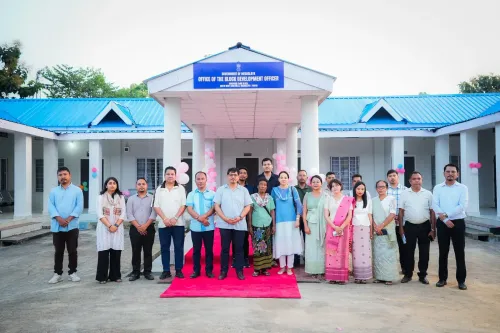
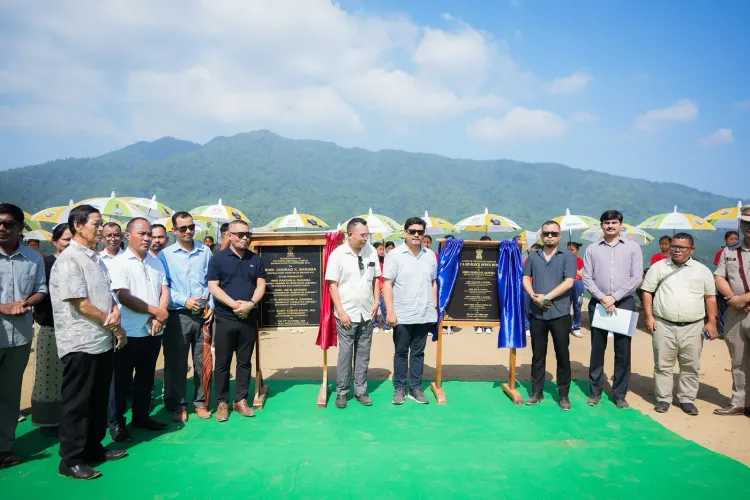
Meghalaya CM Conrad Sangma laid the foundation for the Siju BDIC in South Garo Hills on October 21, 2026, to consolidate block-level offices under one roof and serve 135 villages, including the district's most remote settlements.
Key Takeaways
Meghalaya CM Conrad Sangma laid the foundation for the Siju Block Development Integrated Complex (BDIC) on October 21, 2026 .
The complex aims to serve 135 villages in South Garo Hills , including the most remote settlements in the district.
Multiple block offices will be consolidated under one roof, removing the need for residents to travel to Baghmara or Rongara .
The project is part of the NPP-led MDA government's commitment to district parity in development spending across Meghalaya.
The post tagged @PMOIndia , indicating central government visibility or coordination on the project.
Construction timeline and project funding details were not announced at the foundation-laying event.
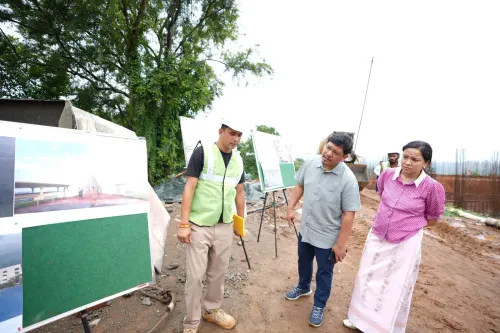
A remote district in one of India's most underserved hill regions got a concrete promise of closer governance on Wednesday, October 21, 2026 — Meghalaya Chief Minister Conrad Sangma laid the foundation stone for the Siju Block Development Integrated Complex (BDIC) in South Garo Hills, pledging to bring essential administrative services within reach of 135 villages, including settlements that have long sat at the far end of every government map.
One roof for services that once meant a day's travel
The core idea behind the Siju BDIC is deceptively simple: pull multiple block-level offices — each handling a different government function — under a single building. For residents of South Garo Hills, the current reality often means long, expensive journeys to Baghmara or Rongara, the district's administrative towns, just to access routine services. The new complex is designed to end that particular ordeal.
Sangma said the facility would 'bring key block offices together under one roof, making it easier for people to access services without having to travel to Baghmara or Rongara.' For communities in the hills, where road connectivity remains a daily challenge, that consolidation is not a bureaucratic convenience — it is the difference between using a government scheme and simply not bothering.
South Garo Hills and the geography of exclusion
South Garo Hills is among Meghalaya's most geographically isolated districts, home to tribal settlements spread across dense forest and difficult terrain. Successive state governments have acknowledged the district's connectivity deficit, but brick-and-mortar administrative infrastructure at the block level has often lagged behind promises. The Siju block — selected for this integrated complex — sits in a zone where residents have historically had to absorb time and cost just to interact with the state.
Meghalaya's broader governance push in hill districts has increasingly leaned on block-level integration as a practical tool. Rather than building new district headquarters, the model brings services to where people actually live — a shift from the colonial-era logic of concentrating administration in accessible towns.
NPP's 'no district left behind' pitch ahead of the governing cycle
Sangma framed the foundation-laying squarely within the NPP-led Meghalaya Democratic Alliance (MDA) government's equity narrative: 'Under the NPP-led MDA Government, no district and no community is left behind.' The post also tagged @PMOIndia, signalling coordination — or at minimum, visibility — with the central government on the project.
The MDA coalition has governed Meghalaya since 2018, with the NPP as its anchor party. Repeated visits to South Garo Hills, which Sangma highlighted as deliberate, are part of a visible effort to demonstrate that development is not clustered in the state capital Shillong or in the more accessible Khasi Hills. Whether the Siju BDIC becomes a template for similar complexes in other remote blocks of Garo Hills will be the real measure of that commitment.
Construction timelines and project costs were not announced at the foundation-laying, but the complex now enters the pipeline as a formal commitment — one that 135 villages in some of Meghalaya's most remote corners will be watching closely.
Point of View
Tangible infrastructure in geographically marginalised districts to reinforce its 'inclusive governance' brand ahead of the next electoral cycle. Tagging the PMO signals a deliberate attempt to align with central government optics on rural connectivity and last-mile governance. The real test will be whether the Siju complex actually gets built on schedule and whether it triggers similar projects in other underserved blocks across the Garo Hills belt — or whether it remains a well-photographed foundation stone.
NationPress
21 Oct 2026
Frequently Asked Questions
What is the Siju Block Development Integrated Complex (BDIC)?
The Siju BDIC is a planned administrative facility in the Siju block of South Garo Hills, Meghalaya, designed to consolidate multiple block-level government offices under one roof so residents can access services without travelling to distant towns like Baghmara or Rongara.
How many villages will the Siju BDIC serve?
According to CM Conrad Sangma's announcement, the complex will serve 135 villages in South Garo Hills, including some of the district's most remote settlements.
Who laid the foundation for the Siju BDIC?
Meghalaya Chief Minister Conrad Sangma laid the foundation stone for the Siju BDIC on October 21, 2026.
What is the NPP-led MDA government in Meghalaya?
The Meghalaya Democratic Alliance (MDA) is the ruling coalition in Meghalaya, led by the National People's Party (NPP) with Conrad Sangma as Chief Minister. The coalition has governed the state since 2018.
Why does South Garo Hills need an integrated block office complex?
South Garo Hills is one of Meghalaya's most geographically isolated districts, where poor road connectivity makes travelling to administrative centres like Baghmara or Rongara difficult and costly for residents. An integrated complex at the block level brings services closer to people in remote villages.