Delhi L-G TS Sandhu visits Navjeevan Vihar, lauds zero-waste colony model
Synopsis
Delhi's Lieutenant Governor TS Sandhu visited Navjeevan Vihar in south Delhi to inspect a resident-led zero-waste model that has kept over 10 lakh kilograms of waste out of the city's landfills over eight years — and publicly challenged every RWA in the capital to follow suit.
Key Takeaways
Lieutenant Governor T.S.
Sandhu visited Navjeevan Vihar , south Delhi, on 23 June to inspect its zero-waste model.
The colony has diverted over 10 lakh kilograms of waste from Delhi landfills over nearly eight years .
Facilities include a Reduce-Reuse-Recycle (RRR) Centre , decentralised composting units, source-segregation systems, and a rainwater harvesting setup.
Sandhu linked the initiative to PM Modi's Mission LiFE and the Waste to Wealth circular economy framework.
The L-G urged RWAs across Delhi to study and adopt the decentralised model, prioritising source segregation.
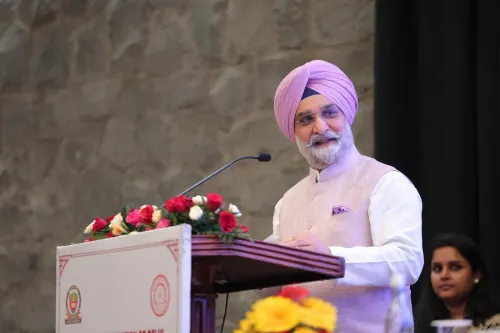
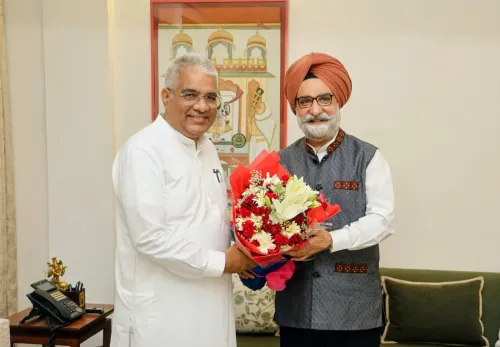
Lieutenant Governor T.S. Sandhu on Tuesday, 23 June visited Navjeevan Vihar in south Delhi and praised the colony's resident-led zero-waste system, calling it an inspiring model for the capital. The visit spotlighted a community-driven initiative that has reportedly diverted over 10 lakh kilograms of waste from Delhi's landfill sites over nearly eight years.
What Sandhu Saw on the Ground
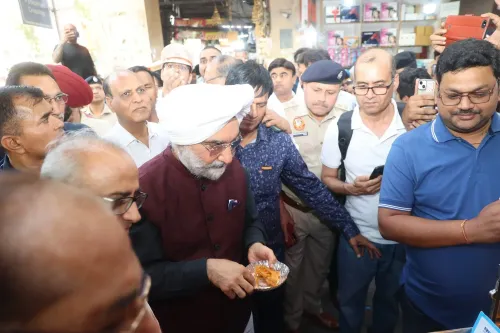
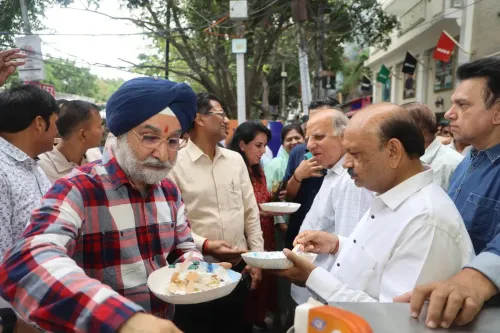
During the visit, the Lieutenant Governor inspected the colony's Reduce-Reuse-Recycle (RRR) Centre, decentralised composting units, source-segregation mechanisms, and a locally installed rainwater harvesting system. Residents took him on a guided tour of facilities for garbage segregation, composting, and a collection point for used items such as clothes and stationery.
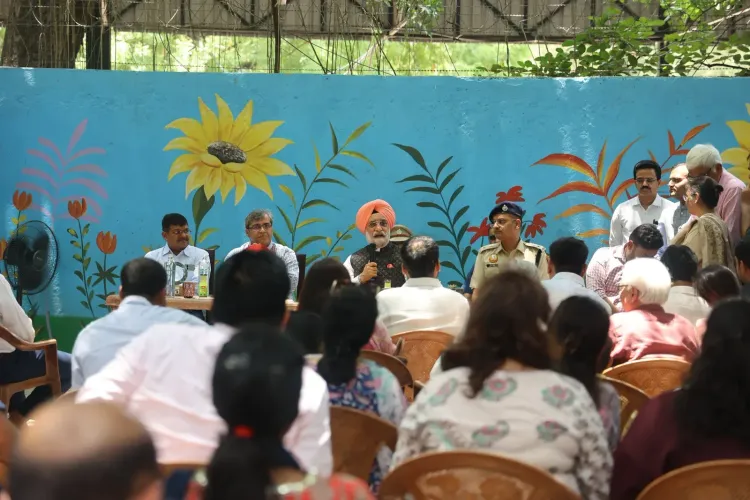
The Lieutenant Governor also held an open house with colony residents, listening to citizen suggestions and exchanging ideas on sustainable urban living. Children from the colony presented him with paintings on the themes of waste management and rainwater harvesting.
What the L-G Said
'Visited Navjeevan Vihar today, an inspiring model of a Zero Waste Colony in the capital. Inspected their Reduce-Reuse-Recycle (RRR) Centre, decentralised composting units, source-segregation mechanisms, and the locally installed rainwater harvesting system,' Sandhu said in a post on X.
He linked the initiative to Prime Minister Narendra Modi's Mission LiFE and the principles of a circular economy under the Waste to Wealth initiative. 'The journey from waste to wealth begins at home. Sustainable waste management cannot be achieved by government efforts alone; it requires active public participation and lasting behavioural change,' he added.
A Call to RWAs Across Delhi
Sandhu urged Resident Welfare Associations (RWAs) across Delhi to study and replicate Navjeevan Vihar's decentralised model, prioritising source segregation as the foundation of sustainable waste management. He described the colony's eight-year track record as proof that collective civic responsibility can deliver measurable environmental outcomes.
'I commend the dedicated efforts of the RWA and residents for sustaining this model for nearly eight years and successfully diverting over 10 lakh kilograms of waste from Delhi's landfill sites,' he said.
Why This Matters for Delhi
Delhi's landfills — including the overburdened sites at Ghazipur, Bhalswa, and Okhla — have long been a civic flashpoint. Community-led waste diversion models like Navjeevan Vihar's are increasingly cited by urban planners as scalable alternatives to centralised processing. This comes amid growing pressure on the Municipal Corporation of Delhi (MCD) to accelerate waste-to-energy and composting programmes across the city. Notably, the colony's model has operated without significant external subsidy, making it a low-cost replication candidate for other RWAs.
With the Lieutenant Governor's public endorsement, pressure is likely to grow on civic bodies and RWAs citywide to institutionalise source segregation and decentralised composting as standard practice.
Point of View
Self-funded model can be replicated at scale across Delhi's thousands of RWAs without institutional support or regulatory teeth. Delhi's landfill crisis is structural; inspiration alone does not move waste policy. The real test will be whether this visit translates into MCD-level mandates on source segregation, or remains a commendable photo opportunity.
NationPress
22 Sept 2026
Frequently Asked Questions
What is the Navjeevan Vihar zero-waste model?
Navjeevan Vihar in south Delhi is a resident-led colony that has operated a zero-waste system for nearly eight years, using a Reduce-Reuse-Recycle Centre, decentralised composting units, source segregation, and rainwater harvesting. The colony has reportedly diverted over 10 lakh kilograms of waste from Delhi's landfill sites.
Why did Delhi L-G TS Sandhu visit Navjeevan Vihar?
Lieutenant Governor T.S. Sandhu visited on 23 June to inspect the colony's waste management facilities and hold an open house with residents. He used the visit to publicly encourage RWAs across Delhi to replicate the decentralised model.
How does the Navjeevan Vihar model connect to Mission LiFE?
Sandhu described the colony's circular economy practices — composting, recycling, and waste diversion — as aligned with Prime Minister Narendra Modi's Mission LiFE and the Waste to Wealth initiative, which promote sustainable lifestyle choices and resource efficiency.
Which Delhi landfills does this initiative help reduce pressure on?
Delhi's primary landfill sites at Ghazipur, Bhalswa, and Okhla are chronically overburdened. Community-led diversion models like Navjeevan Vihar's are seen as part of the solution to reducing the volume of waste reaching these sites.
What did the L-G ask other RWAs in Delhi to do?
Sandhu urged Resident Welfare Associations across Delhi to study Navjeevan Vihar's decentralised model, prioritise source segregation, and work collectively toward a cleaner and more sustainable city, emphasising that sustainable waste management requires active public participation beyond government action alone.