Delhi L-G orders rainwater harvesting repairs before monsoon 2025
Synopsis
Delhi's rainwater harvesting infrastructure — much of it sitting blocked, debris-filled, or forgotten in school premises — has become the focus of a pre-monsoon push by both the L-G and the Chief Minister. With a 50-crore-litre capacity target and a narrow window before the rains, the real question is whether years of neglect can be reversed in weeks.
Key Takeaways
Sandhu on 11 June directed DDA , MCD , and NDMC to make all rainwater harvesting systems operational before the monsoon.
CM Rekha Gupta announced revival of harvesting systems in 75 CM Shri Schools , targeting an annual capacity of 50 crore litres .
The government will adopt the Ehsaas model , approved by Delhi Jal Board in 2021 , known for low cost and near-zero maintenance.
Inspections found most school systems non-functional — pits blocked with silt, plastic waste, and debris; some school staff were unaware the structures existed.
At several locations, rainwater was found flowing directly into drains, defeating conservation goals entirely.
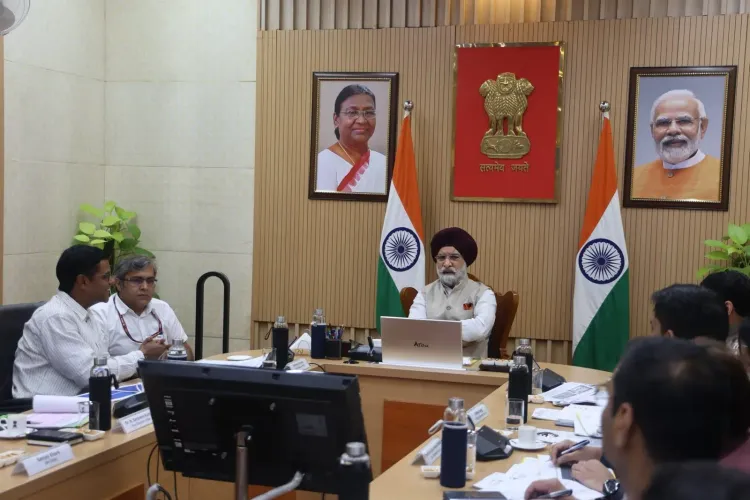
Delhi Lieutenant Governor T.S. Sandhu on Thursday, 11 June directed officials of all civic agencies to make every rainwater harvesting structure across the capital fully operational before the onset of the monsoon season. The directive, issued following a review meeting with senior officials, emphasises groundwater recharge and long-term water conservation as core priorities for the administration.
Key Directives from the L-G
Sandhu convened a meeting with senior officials of the Delhi Development Authority (DDA), Municipal Corporation of Delhi (MCD), and the New Delhi Municipal Council (NDMC) to assess the state of rainwater harvesting preparedness across the city. He directed agencies to expedite structural repairs to piping, gutters, and storage tanks in a time-bound manner, with particular focus on government schools and public buildings.
In a post on X, Sandhu stated: 'Clear directions, along with strict timelines, were issued to expedite structural repairs and ensure that all rainwater harvesting systems are made fully operational well ahead of the monsoon season.' He also called for a comprehensive assessment of the total installed capacity of all harvesting structures to establish a reliable baseline for future planning.
CM Rekha Gupta's School Revival Initiative
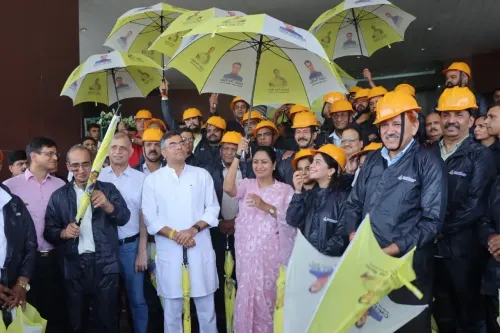
Delhi Chief Minister Rekha Gupta separately announced that the government has decided to revive and operationalise existing rainwater harvesting systems in 75 CM Shri Schools across the capital. The initiative is expected to generate an annual harvesting capacity of nearly 50 crore litres.
The government will adopt the 'Ehsaas' model for this purpose — a framework approved by the Delhi Jal Board in 2021, recognised for its low cost, minimal space requirement, and near-zero maintenance needs. Under the model, rainwater collected from rooftops will be filtered, channelled into storage units and borewells, and used to recharge groundwater — including dry borewells.
What Inspections Revealed
Technical teams have completed on-site inspections of all 75 schools and submitted their findings. The audit found that while most schools already had rainwater harvesting systems installed, a significant number had remained non-functional for years due to poor maintenance or neglect.
Several harvesting pits were found completely blocked, while others were filled with plastic waste, silt, debris, and garbage. In some cases, school authorities were reportedly unaware that such structures existed on their premises. Inspectors also found that at many locations, rainwater was flowing directly into drains — entirely defeating the purpose of water conservation. Design-related deficiencies were identified in several structures as well.
Why This Matters for Delhi
Delhi faces acute groundwater stress, with the water table declining steadily in several districts. Monsoon-season runoff, if captured effectively, represents one of the most cost-efficient means of recharging aquifers. The fact that existing infrastructure has lain dormant — in some cases for years — underscores a systemic maintenance gap that this push aims to address. This is not the first such directive; similar orders have been issued ahead of previous monsoon cycles, making the execution and follow-through the critical variable this time.
With the monsoon expected to reach Delhi within weeks, the administration faces a narrow window to make repairs and ensure systems are functional before the first heavy rains.
Point of View
But the inspection findings tell a damning story: systems installed at public cost have sat blocked and forgotten, in some cases unknown even to the schools that house them. Pre-monsoon orders of this kind are a recurring feature of Delhi's administrative calendar — the test is whether this cycle produces verifiable repairs rather than another round of paperwork. With groundwater levels under sustained pressure and the monsoon window weeks away, the margin for another incomplete execution is thin.
NationPress
26 Oct 2026
Frequently Asked Questions
What did Delhi L-G T.S. Sandhu order regarding rainwater harvesting?
L-G T.S. Sandhu directed officials of DDA, MCD, and NDMC on 11 June to expedite repairs to all rainwater harvesting structures — including piping, gutters, and storage tanks — and make them fully operational before the monsoon. He also called for a comprehensive capacity assessment to build a baseline for future water planning.
What is the Ehsaas model for rainwater harvesting?
The Ehsaas model is a rainwater harvesting framework approved by the Delhi Jal Board in 2021, designed for low cost, minimal space usage, and near-zero maintenance. It channels rooftop rainwater through filters into storage units and borewells, helping recharge groundwater and revive dry borewells.
How many schools are covered under CM Rekha Gupta's rainwater harvesting initiative?
The initiative covers 75 CM Shri Schools across Delhi. Technical teams have already completed inspections of all 75 schools, and the programme is expected to create an annual rainwater harvesting capacity of nearly 50 crore litres.
What problems did school inspections uncover?
Inspections found that many systems had been non-functional for years. Harvesting pits were blocked with silt, plastic waste, and debris; in some schools, staff were unaware the structures existed. Rainwater was found draining directly into street drains at several locations, and design deficiencies were identified in a number of structures.
Why is pre-monsoon rainwater harvesting important for Delhi?
Delhi faces serious groundwater depletion, and monsoon runoff represents a key opportunity to recharge aquifers at low cost. Capturing this water through functional harvesting systems can reduce dependence on external water sources and help stabilise the water table in water-stressed districts.