CM Rekha Gupta Backs Modi's Catch The Rain Water Push
Synopsis
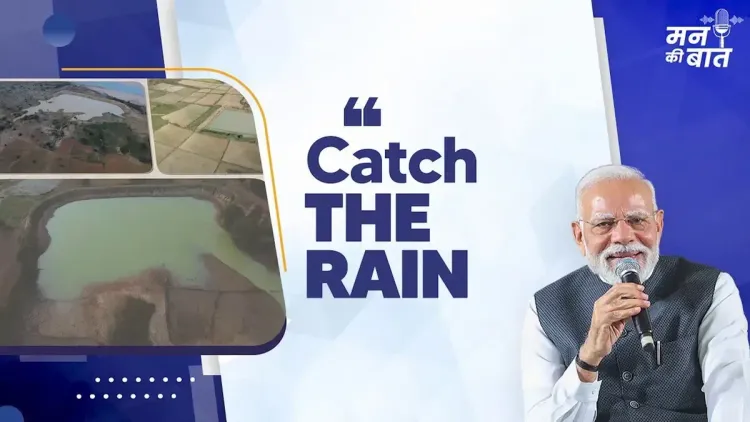
Delhi Chief Minister Rekha Gupta on 26 July 2026 echoed PM Modi's Catch The Rain campaign message from Mann Ki Baat, urging citizens to conserve rainwater at source. The post highlights Delhi's alignment with the Centre's decentralised water conservation push during peak monsoon season.
Key Takeaways
Delhi CM Rekha Gupta shared PM Modi's Catch The Rain message on 26 July 2026 via her official X account.
The campaign's core principle: conserve rainwater wherever and whenever it falls, at the local level.
Catch The Rain is a Ministry of Jal Shakti initiative promoting decentralised rainwater harvesting nationwide.
The post was tagged #MannKiBaat , linking it to PM Modi's monthly radio address to citizens.
Delhi faces recurring water stress, making monsoon-season harvesting initiatives especially significant for the capital.
State-level follow-through — including enforcement of Delhi building bye-law mandates on rainwater structures — will be the key measure of impact.
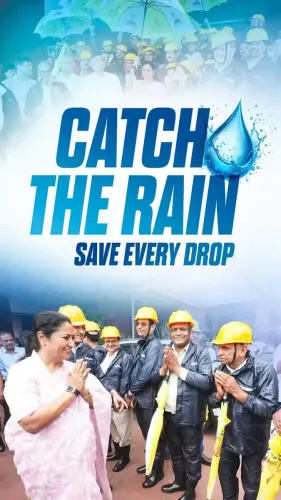
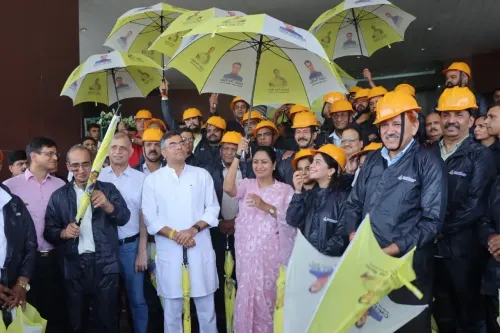
Delhi Chief Minister Rekha Gupta on Sunday, 26 July 2026, amplified Prime Minister Narendra Modi's call for decentralised rainwater harvesting, sharing a key message from his Mann Ki Baat radio address urging citizens to conserve water wherever and whenever rain falls.
Context
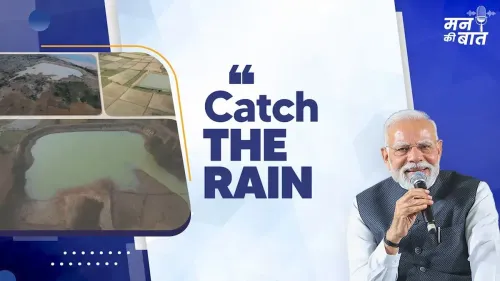
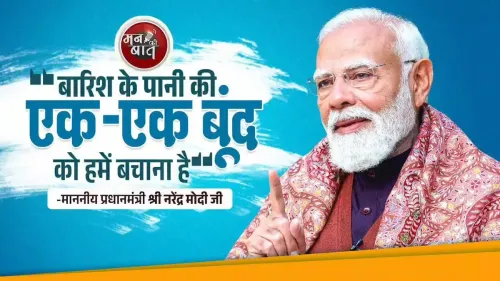
Quoting Prime Minister Modi directly, CM Gupta highlighted the core message of the Catch The Rain campaign: 'Catch The Rain ka sandesh bahut seedha hai — jahan baarish gire, jab baarish gire, paani ko wahin sahejiye' ('The message of Catch The Rain is very simple — wherever rain falls, whenever rain falls, conserve water right there'). The post, tagged #MannKiBaat, signals the Delhi government's alignment with the Centre's water conservation push during the active monsoon season.
Mann Ki Baat is Prime Minister Modi's monthly radio programme through which he regularly addresses citizens on national priorities, including environmental stewardship and grassroots action.
Policy Backdrop
The Catch The Rain campaign, run under the Ministry of Jal Shakti, promotes rainwater harvesting at the local level as a direct counter to India's deepening groundwater crisis. Its guiding principle — capture rain at the source — is designed to reduce dependence on centralised water infrastructure and empower municipalities and households to act independently.
The campaign sits within a broader policy shift away from large dam-centric water management toward decentralised, community-driven conservation. The Jal Shakti Abhiyan, launched in 2019, and the Jal Jeevan Mission, also initiated in 2019, together form the backbone of this framework, combining aquifer recharge, restoration of traditional water bodies, and household tap connectivity with source sustainability measures.
Stakeholders and Impact
Delhi, a water-stressed capital heavily dependent on the Yamuna river and groundwater, faces recurring summer shortages and urban flooding during monsoon months — making it a particularly relevant setting for the Catch The Rain message. Urban local bodies in the city are mandated under building bye-laws to install rainwater harvesting structures in new constructions.
Delhi residents and resident welfare associations stand as the primary stakeholders, as the campaign's success depends on individual and community-level adoption. CM Gupta's amplification of the message through her official social media presence is intended to reinforce civic responsibility around water use during the monsoon window.
What's Next
Attention will now turn to state-level implementation: whether Delhi's urban local bodies issue fresh directives on rainwater harvesting compliance, and whether the Ministry of Jal Shakti releases updated progress reports on new harvesting structures built under the campaign. With the monsoon season at its peak in late July 2026, the coming weeks represent the most critical window for on-ground action. The convergence of central messaging and state-level endorsement from CM Gupta could translate into renewed enforcement of existing building bye-law mandates across Delhi.
Point of View
Particularly on environment and welfare themes. For Delhi, a city perennially caught between water scarcity in summer and urban flooding in monsoon, the timing during peak rainfall season is strategically apt. The real test, however, lies in whether the endorsement translates into measurable action on rainwater harvesting compliance across Delhi's urban local bodies.
NationPress
24 Oct 2026
Frequently Asked Questions
What is the Catch The Rain campaign in India?
Catch The Rain is a nationwide water conservation campaign run by the Ministry of Jal Shakti that encourages individuals, communities, and local bodies to harvest rainwater at the point where it falls, reducing dependence on centralised water sources and helping recharge groundwater.
What did Delhi CM Rekha Gupta say about Catch The Rain?
Delhi CM Rekha Gupta shared PM Modi's message from Mann Ki Baat on 26 July 2026 , quoting him as saying the Catch The Rain message is simple: wherever and whenever rain falls, conserve water right there.
What is Mann Ki Baat and why does it matter for water policy?
Mann Ki Baat is Prime Minister Narendra Modi 's monthly radio programme in which he addresses citizens on national priorities. It has been used repeatedly to highlight water conservation, giving campaigns like Catch The Rain significant public reach.
How does Catch The Rain relate to Jal Shakti Abhiyan and Jal Jeevan Mission?
All three initiatives form part of India's decentralised water policy framework. Jal Shakti Abhiyan (launched 2019 ) focuses on aquifer recharge and traditional water body restoration, Jal Jeevan Mission (also 2019 ) ensures household tap connections with source sustainability, and Catch The Rain drives community-level rainwater harvesting.
Why is rainwater harvesting important for Delhi specifically?
Delhi is a water-stressed city heavily dependent on the Yamuna river and groundwater, facing summer shortages and monsoon flooding. Rainwater harvesting helps recharge groundwater and reduce urban flooding, making the monsoon season the most critical window for conservation action.