CM Rekha Gupta joins Mann Ki Baat, backs green Delhi push
Synopsis
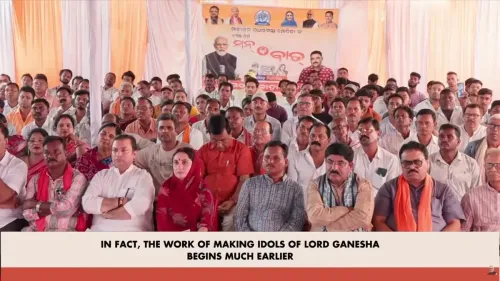
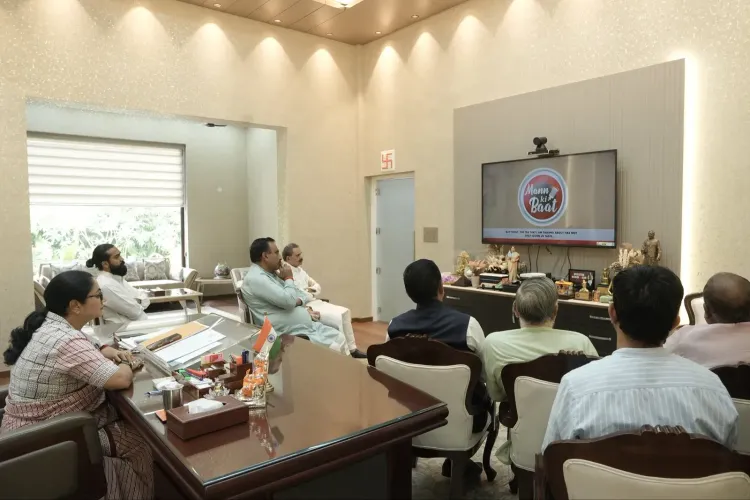
Delhi Chief Minister Rekha Gupta on 26 July 2026 listened to PM Modi's Mann Ki Baat with party workers and pledged to advance its water conservation, tree plantation, and eco-friendly Ganesh idol messages through Delhi government programmes.
Key Takeaways
Rekha Gupta attended a Mann Ki Baat listening session at Mukhyamantri Janseva Sadan on 26 July 2026 with party workers.
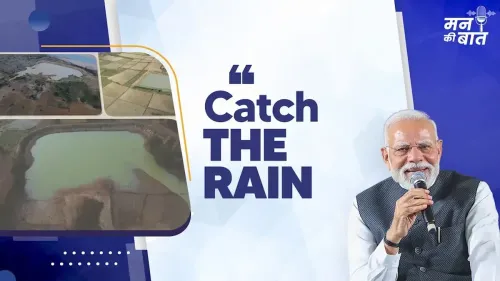
PM Modi's broadcast highlighted the Catch the Rain campaign to make water conservation a mass movement.
The Ek Ped Maa Ke Naam initiative — launched on World Environment Day 2024 — was cited as a call to afforestation duty.
Adoption of clay Ganesh idols was promoted as a way to protect the environment and support local artisans ahead of Ganesh Chaturthi.
The Delhi government committed to large-scale plantation drives and public participation under a 'green and clean Delhi' agenda.
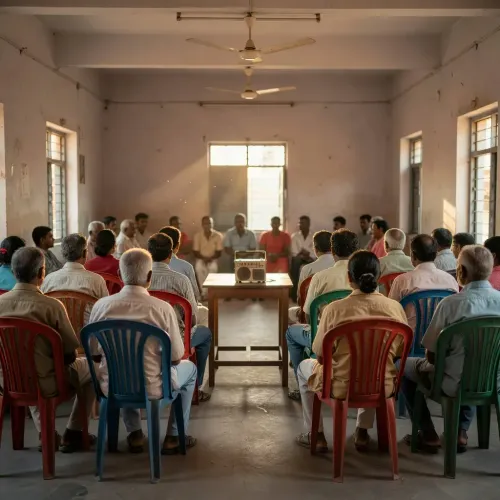
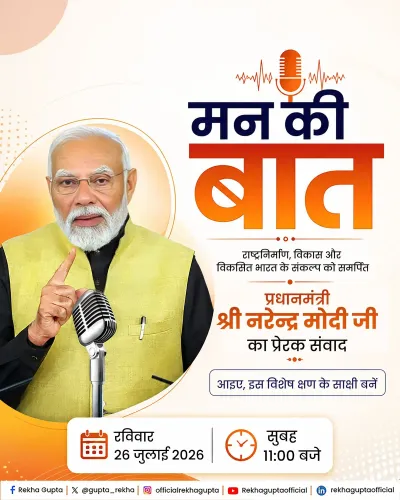
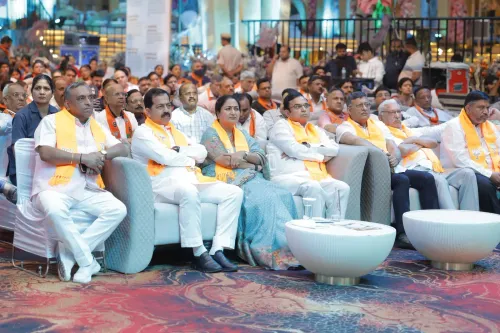
Delhi Chief Minister Rekha Gupta on Sunday, 26 July 2026, joined party workers at the Mukhyamantri Janseva Sadan to listen to Prime Minister Narendra Modi's monthly radio address, Mann Ki Baat, and pledged to advance the episode's environmental messages through Delhi government programmes.
Context
In her post on X, Chief Minister Gupta outlined three key themes from the day's Mann Ki Baat broadcast. She noted that the Prime Minister called for making water conservation a jan-andolan (people's movement) through the Catch the Rain campaign, urged citizens to fulfil their duty toward nature under the Ek Ped Maa Ke Naam (One Tree in Mother's Name) initiative, and inspired the adoption of clay Ganesh idols as a way to promote environmental protection while supporting local artisans.
Gupta added that the Delhi government is continuously encouraging a large-scale plantation drive and public participation to build a 'green and clean Delhi', situating the state's efforts as a direct extension of the Prime Minister's appeal.
Policy Backdrop
Mann Ki Baat has been a monthly radio programme hosted by Prime Minister Modi since October 2014, used to spotlight social campaigns and governance priorities. The Catch the Rain campaign was launched by the Ministry of Jal Shakti in 2021 as a pre-monsoon drive focused on rainwater harvesting and the rejuvenation of water bodies.
The Ek Ped Maa Ke Naam plantation drive was announced by the Prime Minister on World Environment Day 2024, encouraging citizens across the country to plant trees in honour of their mothers. Delhi has maintained annual tree plantation drives under the Delhi Preservation of Trees Act framework since the early 2010s, and the current administration has sought to align those local efforts with central environmental themes.
The call to adopt clay Ganesh idols ahead of Ganesh Chaturthi connects environmental messaging to a cultural moment, aiming to reduce the chemical and plastic waste associated with idol immersion while channelling demand toward local craftspeople.
Stakeholders and Impact
Delhi residents are the primary audience for the state's plantation and water-conservation outreach, particularly as the capital faces chronic groundwater depletion and urban heat. Urban local bodies in Delhi are expected to implement ground-level plantation and rainwater-harvesting activities that translate these campaign messages into measurable outcomes.
Local artisans who craft eco-friendly clay idols stand to benefit directly from any uptick in public demand ahead of the festival season. Broader adoption of clay idols over plaster-of-Paris alternatives would also reduce river and lake pollution during immersion, a concern repeatedly raised by environmental regulators in the capital.
What's Next
Attention will now turn to whether the Delhi government publishes concrete monsoon plantation targets and progress reports that quantify its commitment to the green-Delhi agenda outlined by Chief Minister Gupta. Public uptake of clay Ganesh idols during the upcoming Ganesh Chaturthi season will serve as a near-term indicator of how effectively the cultural-environmental message has resonated at the community level.
The alignment between central campaign messaging and Delhi's state-level programmes reflects a pattern of cooperative federalism on sustainability, but the depth of that alignment will ultimately be measured by on-ground outcomes in plantation coverage and water conservation infrastructure across the capital.
Point of View
Gupta is effectively co-branding Delhi's local environmental work with the Modi government's well-publicised initiatives, a strategy that reinforces cooperative federalism optics ahead of any audit of the capital's green credentials. The inclusion of clay Ganesh idols — a culturally resonant, seasonally timed cue — suggests the administration is keen to mobilise community behaviour change through familiar festivals rather than purely regulatory means. Whether this messaging translates into verifiable plantation numbers and water-harvesting infrastructure will determine how it is judged beyond the news cycle.
NationPress
26 Oct 2026
Frequently Asked Questions
What did Delhi CM Rekha Gupta say about Mann Ki Baat?
Chief Minister Rekha Gupta said she listened to the 26 July 2026 edition of PM Modi's Mann Ki Baat with party workers at Mukhyamantri Janseva Sadan and highlighted its messages on water conservation, tree plantation, and eco-friendly Ganesh idols.
What is the Catch the Rain campaign?
The Catch the Rain campaign is a nationwide initiative by the Ministry of Jal Shakti , launched in 2021, that promotes rainwater harvesting and water body rejuvenation to make water conservation a public movement before the monsoon season.
What is Ek Ped Maa Ke Naam?
Ek Ped Maa Ke Naam (One Tree in Mother's Name) is a tree plantation drive announced by Prime Minister Modi on World Environment Day 2024 , encouraging citizens to plant a tree in honour of their mothers to boost afforestation across India.
Why are clay Ganesh idols promoted for the environment?
Clay idols dissolve more naturally in water than plaster-of-Paris alternatives, reducing chemical pollution in rivers and lakes during immersion. Their promotion also supports local artisans who craft eco-friendly idols ahead of the Ganesh Chaturthi festival.
What environmental steps is the Delhi government taking?
The Delhi government says it is running large-scale plantation drives and encouraging public participation to build a 'green and clean Delhi', aligning its local programmes with central campaigns such as Catch the Rain and Ek Ped Maa Ke Naam.