CM Rekha Gupta Backs Modi's Call for Clay Ganesh Idols
Synopsis
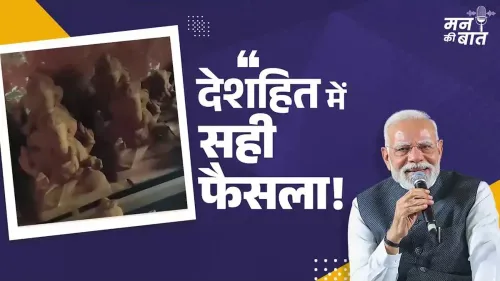
Delhi CM Rekha Gupta on June 28, 2026, shared PM Modi's Mann Ki Baat appeal calling on citizens to install Ganesh idols made from Indian soil by local potters, connecting the festive tradition to Vocal for Local and eco-friendly policy goals.
Key Takeaways
Delhi CM Rekha Gupta shared PM Modi's appeal from Mann Ki Baat on June 28, 2026 .
PM Modi urged citizens to choose Ganesh idols made from Indian soil by local potters and artisans.
The appeal targets households, housing societies, and community organisers ahead of Ganesh Chaturthi .
The message aligns with the Vocal for Local and Atmanirbhar Bharat campaigns.
Clay idols are environmentally preferable to Plaster of Paris idols, which harm water bodies during immersion.
Local kumhar communities and traditional sculptors stand to benefit from a shift in consumer preference.
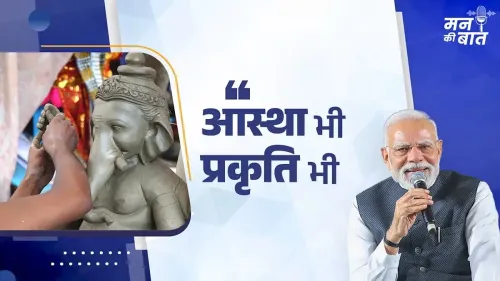
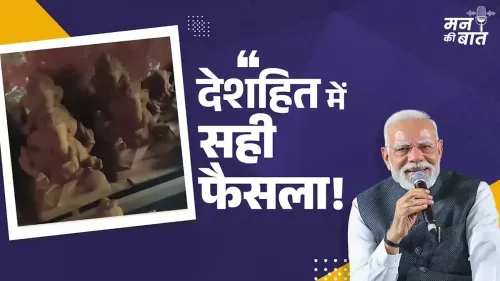
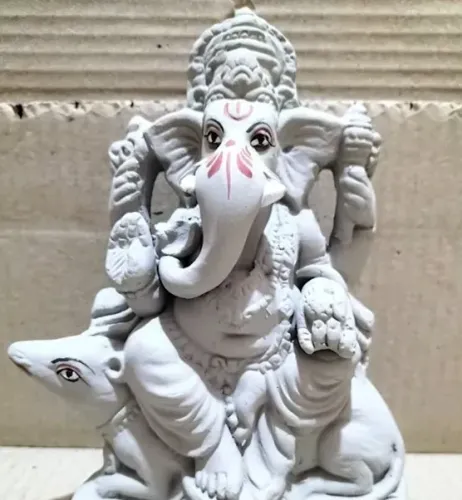
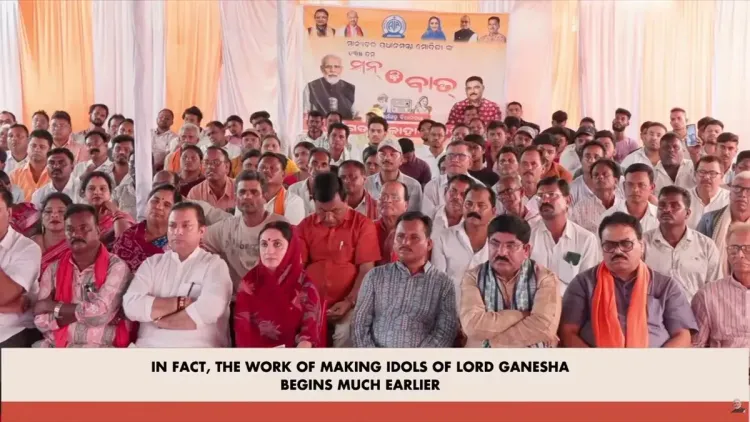
Delhi Chief Minister Rekha Gupta on Sunday, June 28, 2026, shared a key appeal from Prime Minister Narendra Modi's Mann Ki Baat address, urging citizens across the country to choose clay Ganesh idols crafted by local potters and artisans for the upcoming Ganesh Chaturthi festival.
Context
In the excerpt shared by CM Gupta, PM Modi noted that preparations for Ganesh idols begin well in advance of the festival, with sculptors and traders already active in the supply chain. His appeal, delivered on Mann Ki Baat (the Prime Minister's monthly radio address to the nation), called on households, housing societies, and community organisers to ensure that the idol of Ganpati Bappa installed at their premises is made from Indian soil and shaped by the hands of Indian potters and local artisans.
The full quote shared reads: 'Aap prayas karein ki aapke ghar, society ya aaspaas ki jagahon par Ganpati Bappa ki jo moorti sthaapit ho, wo hamare desh ki mitti se bani ho, wo hamare apne kumhaaron aur sthaaniy kalaakaaron ke haathon taiyaar hui ho.' — translated as: 'Make an effort so that the Ganpati Bappa idol installed at your home, society, or nearby places is made from the soil of our country and prepared by our own potters and local artists.'
Policy Backdrop
The appeal aligns with the broader Vocal for Local and Atmanirbhar Bharat campaigns championed by the Modi government since 2020, which encourage Indian consumers to prefer domestically produced goods over imports. Eco-friendly and locally sourced Ganesh idols have been a recurring theme in these campaigns, as clay idols dissolve naturally in water and do not release harmful chemicals, unlike idols made from Plaster of Paris (PoP) or chemical paints.
Courts and pollution control bodies in several Indian cities have previously issued advisories or restrictions on PoP idols, citing damage to water bodies during immersion. The push for clay idols thus intersects both cultural promotion and environmental policy.
Stakeholders and Impact
The direct beneficiaries of this appeal are India's kumhar (potter) communities and local sculptors, many of whom belong to traditional artisan families facing economic pressure from cheaper, mass-produced imports. Ganesh Chaturthi is one of the largest festivals in Maharashtra, Delhi, Telangana, Karnataka, and several other states, generating significant seasonal income for idol-makers.
Housing societies and Resident Welfare Associations (RWAs) in Delhi — where CM Gupta holds administrative authority — are likely to receive this message as a direct call to action. Delhi has a substantial potter community concentrated in areas such as Uttam Nagar and parts of East Delhi, who stand to gain from a shift in consumer preference.
What's Next
With Ganesh Chaturthi 2026 approaching, the amplification of this message by a sitting Chief Minister signals that state governments may follow up with ground-level outreach or procurement drives favouring local artisans. If Delhi's RWAs and community organisers act on the appeal, it could meaningfully boost orders for clay idol makers in the capital well before the festival season peaks.
Point of View
CM Rekha Gupta positions the BJP's cultural messaging squarely within the Vocal for Local economic framework, reinforcing the party's effort to fuse Hindu festival traditions with domestic manufacturing advocacy. The timing — well before Ganesh Chaturthi — suggests a deliberate attempt to shape consumer behaviour early in the supply chain, giving local artisans a competitive window against cheaper imports. This also allows a BJP-governed Delhi to demonstrate policy continuity with the Centre on both environmental and economic self-reliance fronts. The move is low-risk politically while carrying tangible grassroots appeal among both artisan communities and environmentally conscious urban voters.
NationPress
26 Sept 2026
Frequently Asked Questions
What did PM Modi say about Ganesh idols in Mann Ki Baat?
PM Modi appealed to citizens to ensure that the Ganesh idol installed at their home or society is made from Indian soil and crafted by local potters and artisans, not mass-produced or imported alternatives.
Why should we use clay Ganesh idols instead of Plaster of Paris?
Clay idols dissolve naturally in water during immersion and do not release harmful chemicals, unlike Plaster of Paris (PoP) idols, which pollute water bodies. Several courts and pollution bodies have issued advisories against PoP idols.
What is the Vocal for Local campaign in India?
Vocal for Local is a campaign launched by the Modi government around 2020 under the broader Atmanirbhar Bharat initiative, encouraging Indians to prefer domestically produced goods and support local artisans and manufacturers.
Who are kumhars and how do they benefit from this appeal?
Kumhars are traditional potter communities in India who make clay idols and pottery. PM Modi's appeal, if widely followed, can significantly increase orders for kumhars ahead of Ganesh Chaturthi , boosting their seasonal income.
What did Delhi CM Rekha Gupta post about Ganesh Chaturthi?
Delhi CM Rekha Gupta shared an excerpt from PM Modi's Mann Ki Baat on June 28, 2026 , amplifying his appeal to citizens to buy clay Ganesh idols made by local Indian potters and artisans for the festival.