Delhi CM Rekha Gupta: 75 schools to revive rainwater harvesting, target 50 crore litres
Synopsis
Delhi's 75 CM Shri Schools had rainwater harvesting pits for years — many blocked, debris-filled, or simply forgotten by staff. Chief Minister Rekha Gupta's revival plan, using the low-cost 'Ehsaas' model, aims to unlock 50 crore litres of annual capacity that was sitting idle all along.
Key Takeaways
Chief Minister Rekha Gupta announced revival of rainwater harvesting in 75 CM Shri Schools in Delhi on 21 May 2025 .
The initiative targets an annual harvesting capacity of nearly 50 crore litres .
Audits found most systems already existed but were non-functional — pits blocked with plastic waste, silt, and debris .
The government will use the 'Ehsaas' model , approved by the Delhi Jal Board in 2021 , known for low cost and near-zero maintenance.
A rooftop of 2,500 sq ft can conserve 2,00,000 litres annually — enough for a family of five, according to the Chief Minister.
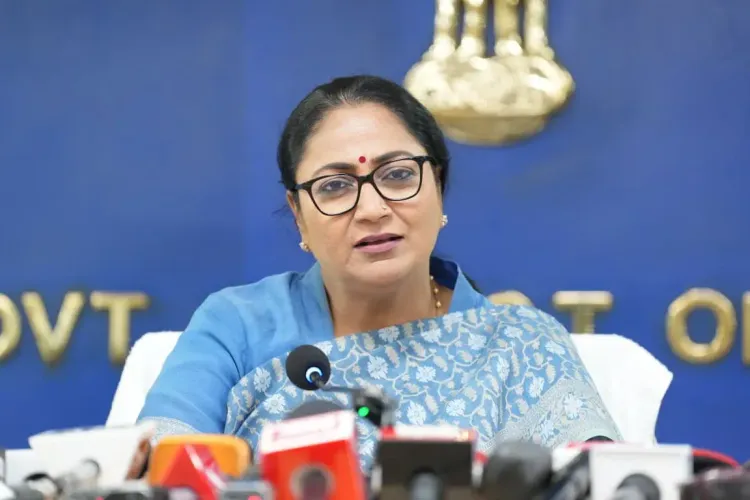
Chief Minister Rekha Gupta on Thursday, 21 May announced that the Delhi government will restore and operationalise rainwater harvesting systems in 75 CM Shri Schools across the capital, with the initiative projected to generate an annual harvesting capacity of nearly 50 crore litres. The move marks one of the most concrete water conservation steps taken by the current administration since assuming office.
What the Audit Found
Technical teams have completed inspections of all 75 schools and submitted their reports. The audit revealed that while most schools already had rainwater harvesting infrastructure in place, a large number had remained non-functional for years due to poor upkeep. Several harvesting pits were found completely blocked, while others were filled with plastic waste, silt, debris, and garbage. In some cases, school authorities were reportedly unaware that such structures even existed on their premises.
The inspection also found that at many locations, rainwater was flowing directly into drains, entirely defeating the purpose of conservation. Design-related deficiencies were identified in several structures as well.
The 'Ehsaas' Model and How It Works
The government will adopt the 'Ehsaas' model for rainwater harvesting across these schools. Approved by the Delhi Jal Board in 2021, the model is noted for its low cost, minimal space requirement, and near-zero maintenance needs. Under the system, rainwater collected from rooftops will be filtered and channelled into storage units and borewells, helping recharge groundwater and potentially reviving dry borewells.
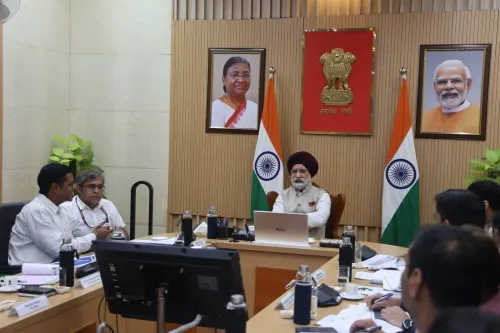
A detailed presentation on the project was recently made before Chief Minister Gupta, outlining the current condition of existing structures, shortcomings identified during inspections, and the roadmap for restoration.
Why Delhi's Rainfall Numbers Make This Viable
Gupta highlighted that Delhi receives an average annual rainfall of approximately 775 mm. A rooftop area of roughly 2,500 square feet can conserve nearly 2,00,000 litres of rainwater per year — enough, she noted, to meet the annual water needs of a family of five. The harvested water can be used for drinking, gardening, cleaning, flushing, and several other purposes.
Broader Objectives
The Chief Minister said the government's goals extend beyond infrastructure repair. The initiative is also intended to strengthen groundwater recharge, and foster greater awareness about water conservation among students and the wider community. With Delhi facing perennial water stress during summer months, embedding conservation practices within school campuses is seen as a long-term behavioural intervention. The government has not yet announced a specific timeline for completion of the restoration work.
Point of View
Only for them to fill with garbage and be forgotten by the very staff managing those campuses. The 'Ehsaas' model is a sensible, low-cost fix, but the real accountability question is how systems approved as recently as 2021 fell into such disrepair so quickly. Without a mandatory maintenance protocol and a named nodal officer at each school, this revival risks repeating the same cycle in five years.
NationPress
24 Sept 2026
Frequently Asked Questions
What is the Delhi government's rainwater harvesting plan for CM Shri Schools?
The Delhi government plans to restore and operationalise existing rainwater harvesting systems in 75 CM Shri Schools across the capital. The initiative, announced by Chief Minister Rekha Gupta on 21 May 2025, targets an annual harvesting capacity of nearly 50 crore litres using the Delhi Jal Board-approved 'Ehsaas' model.
What is the 'Ehsaas' model for rainwater harvesting?
The 'Ehsaas' model is a rainwater harvesting system approved by the Delhi Jal Board in 2021, designed for low cost, minimal space requirement, and near-zero maintenance. It channels rooftop rainwater through filters into storage units and borewells, helping recharge groundwater and revive dry borewells.
Why were the existing rainwater harvesting systems not working?
Audits of all 75 schools found that most systems had remained non-functional for years due to poor maintenance. Several pits were blocked or filled with plastic waste, silt, and debris, and in some cases school authorities were unaware the structures existed. Rainwater was flowing directly into drains at many sites.
How much water can a typical school rooftop conserve under this plan?
According to Chief Minister Gupta, a rooftop area of roughly 2,500 square feet can conserve nearly 2,00,000 litres of rainwater annually — sufficient to meet the yearly water needs of a family of five. Delhi receives an average annual rainfall of approximately 775 mm.
Who is affected by this initiative and what are the broader goals?
The initiative directly affects students and communities around the 75 CM Shri Schools in Delhi. Beyond water storage, the government aims to improve groundwater recharge, revive dry borewells, and build water conservation awareness among students and the wider public.