Delhi CM Rekha Gupta reviews summer water plan, orders peak supply
Synopsis
Delhi CM Rekha Gupta's summer water review isn't just routine crisis management — it comes with measurable scale-ups: tubewells up to 6,200, fixed supply points nearly doubled to 13,000, and a 50 MGD Dwarka plant on the fast track. Whether the numbers translate to relief for perennially water-scarce areas like Sangam Vihar and Bawana will be the real test.
Key Takeaways
Delhi CM Rekha Gupta chaired a summer water review meeting on 4 May at the Secretariat, attended by Water Minister Parvesh Verma and Delhi Jal Board officials.
Operational tubewells increased from 5,834 to 6,200 ; water tankers scaled from 1,166 to 1,210 , with 100 on standby .
Fixed supply points nearly doubled from 8,700 to 13,000 ; 9 major treatment plants directed to run at peak capacity.
520 additional tubewells installed and 172 km of old pipelines replaced in 2025-26 .
Second 50 MGD water treatment plant in Dwarka and a 2 MGD recycling plant at Bawana to be fast-tracked.
28 water emergency centres and 24x7 helplines (1916, 1800117118) activated across the city.
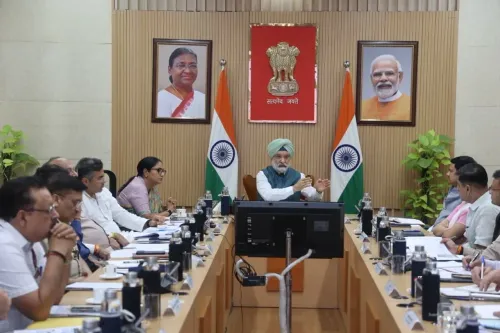
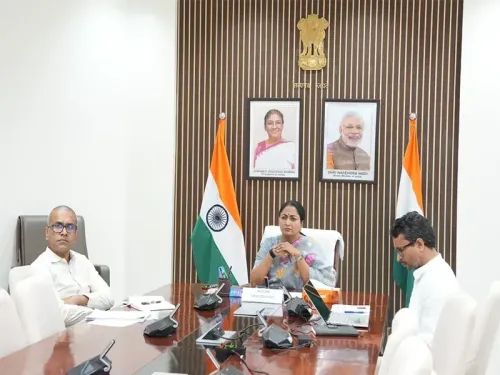
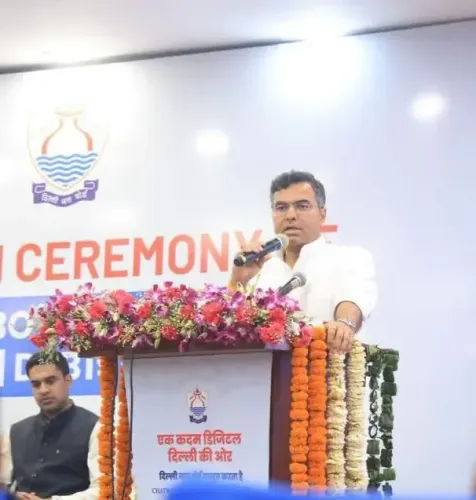
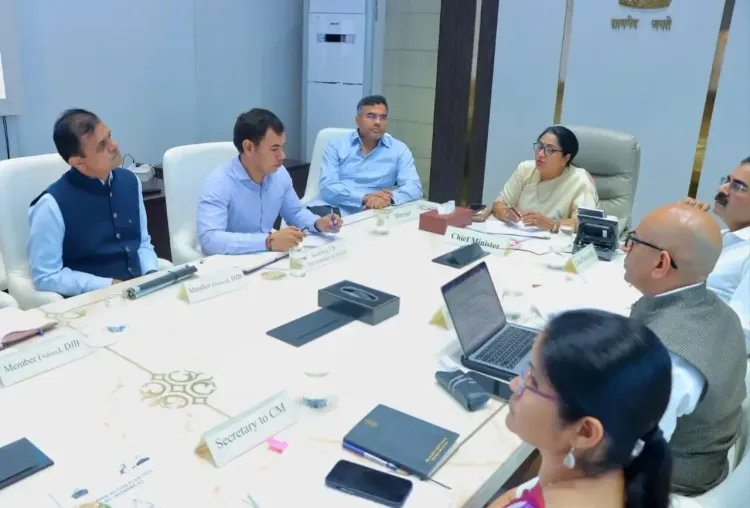
Delhi Chief Minister Rekha Gupta on Monday, 4 May chaired a high-level review of the capital's summer water management plan at the Secretariat, directing officials to ensure uninterrupted supply during peak demand and fast-track long-term solutions to end recurring drinking water shortages in New Delhi. The meeting was attended by Water Minister Parvesh Verma, Chief Secretary Rajeev Verma, and senior officials of the Delhi Jal Board.
Key Directives and Preparedness Measures
Chief Minister Gupta ordered all major water treatment plants — including Sonia Vihar, Bhagirathi, Chandrawal, Wazirabad, Haiderpur, Nangloi, Okhla, Bawana, and Dwarka — to operate at peak capacity throughout the summer. She warned that negligence in supply or complaint redressal would invite strict action. "Our focus is not limited to immediate relief. We are simultaneously working on long-term solutions to free Delhi from recurring drinking water shortages," Gupta said, according to an official statement.
Coordination with Haryana is being maintained to monitor ammonia levels in raw water, ensuring uninterrupted functioning of treatment plants — a perennial challenge during summer months when ammonia spikes can force plants to shut down temporarily.
Supply Infrastructure Scaled Up
The Chief Minister outlined several measurable improvements made this year. Operational tubewells have been increased from 5,834 to 6,200, while water tankers have been scaled up from 1,166 to 1,210, with an additional 100 tankers kept on standby for emergencies. Fixed supply points have risen from 8,700 to 13,000, and filling hydrants from 198 to 202.
Deployment has been tailored constituency-wise, with high-demand areas such as Sangam Vihar, Matiala, Chhatarpur, Deoli, Tughlakabad, Palam, Bijwasan, and Bawana receiving special attention. Detailed planning at the constituency level includes colony-wise supply schedules, tanker route plans, and resource deployment allocation.
During 2025-26, 520 additional tubewells were installed and 172 km of old water pipelines were replaced, resulting in improved supply across affected zones.
Grievance Redressal and Emergency Response
The grievance redressal system has been reinforced with 24x7 helplines — 1916 and 1800117118 — with complaints routed directly to the concerned junior engineer and 100 per cent feedback being ensured. A central control room and chatbot-based system have been introduced, alongside PPP-mode call centres in several areas.
Across the city, 28 water emergency centres have been set up at strategic locations, operating round the clock and equipped with adequate staff, communication systems, and CCTV surveillance to ensure swift resolution of supply-related issues.
New Infrastructure on the Horizon
Gupta directed officials to expedite commissioning of the second 50 MGD water treatment plant located in Dwarka. She also hailed preparations to operationalise a 2 MGD capacity recycling plant at the Bawana Water Treatment Plant as a significant step towards promoting water reuse within the city. Notably, this push towards recycling aligns with broader national goals on water sustainability and circular use of resources.
With temperatures expected to climb further in the coming weeks, the effectiveness of these measures will be tested in real time — and Delhi residents in water-scarce constituencies will be watching closely.
Point of View
Tankers up, supply points nearly doubled — but Delhi's summer water crisis is as much a governance problem as an infrastructure one. The Bawana recycling plant and the Dwarka 50 MGD unit have been in the pipeline for years; the real question is whether commissioning timelines will hold. Ammonia coordination with Haryana, cited again this year, remains a structural vulnerability that no amount of tanker deployment can fully substitute for. Until Delhi secures a more predictable raw water arrangement with upstream states, these annual reviews risk being more reassuring than transformative.
NationPress
21 Oct 2026
Frequently Asked Questions
What did Delhi CM Rekha Gupta announce for summer water supply in 2025?
Chief Minister Rekha Gupta on 4 May 2025 directed all major water treatment plants to operate at peak capacity and announced scale-ups in tubewells, tankers, and fixed supply points. She also fast-tracked the 50 MGD Dwarka treatment plant and a 2 MGD recycling unit at Bawana.
How many water tankers and tubewells are operational in Delhi this summer?
Delhi has increased operational tubewells from 5,834 to 6,200 and water tankers from 1,166 to 1,210, with an additional 100 tankers on standby. Fixed supply points have also risen from 8,700 to 13,000.
Which areas in Delhi are getting special water supply attention this summer?
High-demand constituencies including Sangam Vihar, Matiala, Chhatarpur, Deoli, Tughlakabad, Palam, Bijwasan, and Bawana have been identified for targeted water deployment with constituency-wise tanker route plans.
How can Delhi residents complain about water supply issues?
Residents can call the 24x7 helplines 1916 or 1800117118. Complaints are routed directly to the concerned junior engineer, with 100 per cent feedback being ensured. A chatbot-based system and 28 round-the-clock water emergency centres are also operational.
What long-term water projects is the Delhi government working on?
The Delhi government is expediting the second 50 MGD water treatment plant in Dwarka and a 2 MGD water recycling plant at the Bawana Water Treatment Plant. In 2025-26, 520 new tubewells were installed and 172 km of old pipelines replaced.