CM Rekha Gupta Reviews Delhi's Monsoon Readiness at DDMA Meet
Synopsis
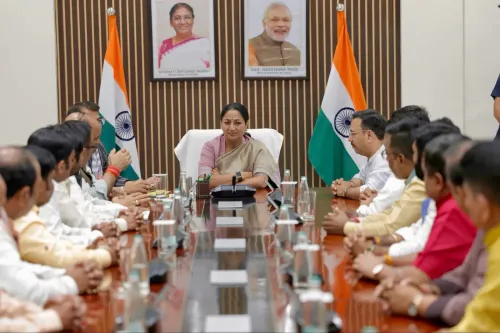
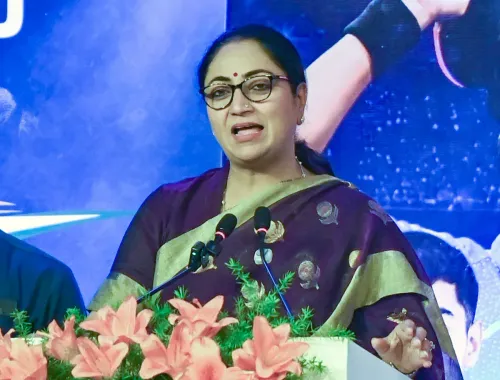
Delhi Chief Minister Rekha Gupta joined a DDMA meeting chaired by LG Taranjit Singh Sandhu on 20 July 2026 to review monsoon readiness, waterlogging hotspot works, and inter-departmental coordination, asserting a significant reduction in problem spots across the capital.
Key Takeaways
Delhi CM Rekha Gupta attended a DDMA meeting on 20 July 2026 chaired by LG Taranjit Singh Sandhu .
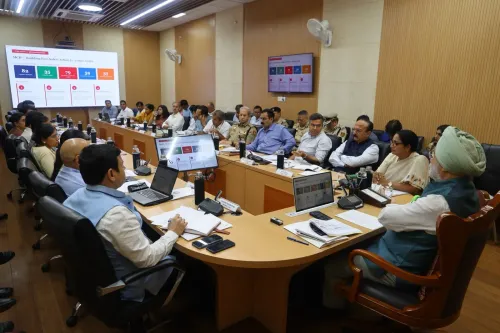
The review covered monsoon preparedness, ongoing works at waterlogging hotspots, and coordination among all departments.
The government claims a significant reduction in the number of waterlogging hotspots in Delhi due to sustained efforts.
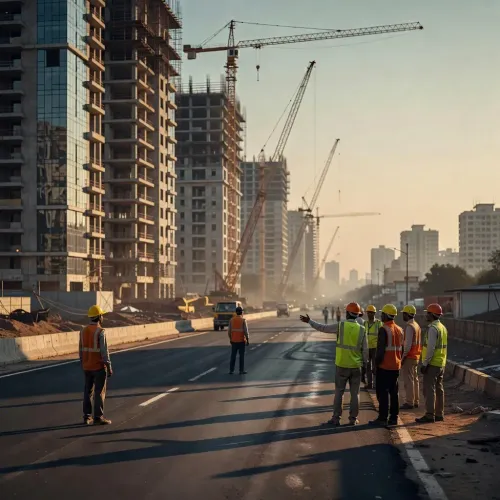
Field teams are deployed 24x7 to ensure uninterrupted movement of citizens during the monsoon.
Cabinet ministers Pravesh Sahib Singh and Ashish Sood and senior departmental officials attended the meeting.
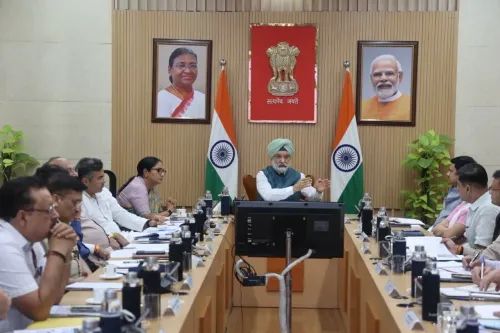
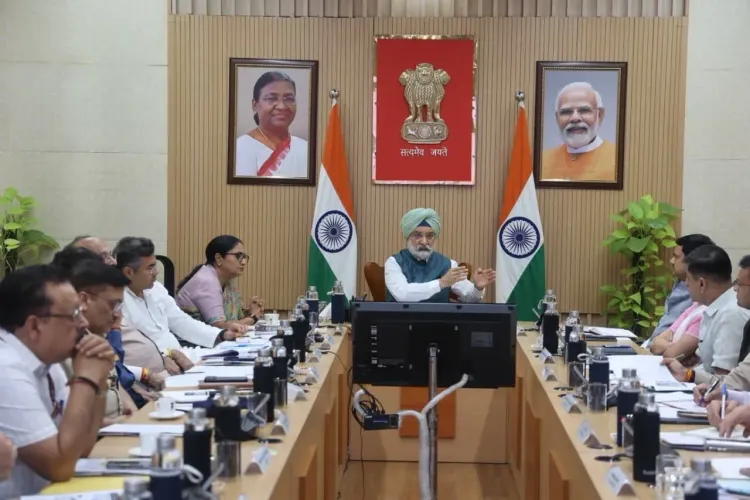
Delhi Chief Minister Rekha Gupta attended a meeting of the Delhi Disaster Management Authority (DDMA) on Monday, 20 July 2026, chaired by Lieutenant Governor Taranjit Singh Sandhu, to review the capital's preparedness for the ongoing monsoon season. The meeting focused on waterlogging hotspots, works in progress across vulnerable stretches, and inter-departmental coordination.
Context
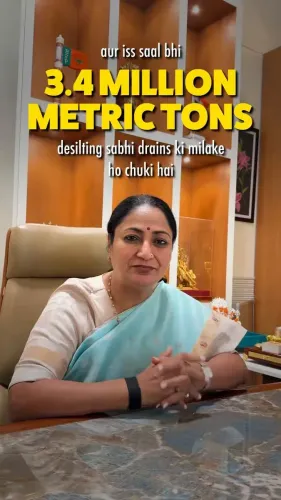
Posting on X, CM Gupta wrote — translated from Hindi — that the DDMA review covered 'mansoon ki taiyariyon, water logging hotspots par chal rahe karyon tatha sabhi vibhagon ke beech behtar samanvay' ('monsoon preparations, ongoing works at waterlogging hotspots, and better coordination among all departments'). She added that the government's sustained efforts have led to a 'significant reduction' in the number of waterlogging hotspots across Delhi. Cabinet colleagues Pravesh Sahib Singh and Ashish Sood, along with senior officials of all concerned departments, were present at the meeting.
Policy Backdrop
Waterlogging during the monsoon has been a perennial challenge for Delhi, with low-lying underpasses, arterial roads, and residential colonies routinely inundated during heavy spells. The DDMA, chaired by the Lieutenant Governor under the Disaster Management Act, 2005, is the apex body responsible for coordinating disaster preparedness and response across all city agencies including the Public Works Department (PWD), the Municipal Corporation of Delhi (MCD), and the Delhi Jal Board (DJB). Annual pre-monsoon audits of drains and stormwater channels are a standard part of DDMA's preparatory calendar. The BJP-led Delhi government, which came to power in February 2025, has made urban infrastructure and civic services a centrepiece of its governance agenda under the #ViksitDelhi banner.
Stakeholders and Impact
For Delhi's roughly 2 crore residents, monsoon waterlogging translates directly into disrupted commutes, property damage, and public health risks including vector-borne diseases. CM Gupta's assertion that teams are working '24×7' on the ground signals that the administration is treating monsoon management as a high-visibility priority. The presence of ministers Pravesh Sahib Singh and Ashish Sood at the DDMA meeting underlines a whole-of-government approach, with political leadership visibly aligned with the LG-chaired authority — a dynamic that marks a shift from the prolonged executive friction that characterised previous administrations in the capital.
What's Next
The government's stated goal is to ensure that Delhi's pace of movement — 'Delhi ki raftaar na thame' ('Delhi's momentum does not halt') — is not disrupted this monsoon season. Sustained monitoring of identified hotspots and real-time inter-agency coordination will be critical as the monsoon intensifies through July and August 2026. Any significant reduction in waterlogging incidents this season will likely be cited by the BJP government as evidence of improved urban governance ahead of future electoral cycles.
Point of View
The administration is attempting to convert a historically emotive civic grievance into a governance dividend. The emphasis on round-the-clock field deployment and the hashtag #ViksitDelhi ties routine disaster management to the party's broader 'developed Delhi' branding. How the capital fares through peak monsoon months will test whether these institutional coordination claims translate into on-ground relief for commuters and residents.
NationPress
20 Oct 2026
Frequently Asked Questions
What was discussed at the DDMA meeting on 20 July 2026?
The meeting, chaired by LG Taranjit Singh Sandhu, reviewed Delhi's monsoon preparedness, ongoing works at waterlogging hotspots, and coordination among all concerned departments.
What is the DDMA and who chairs it?
The Delhi Disaster Management Authority (DDMA) is the apex body for disaster preparedness in Delhi, chaired by the Lieutenant Governor under the Disaster Management Act, 2005.
Has Delhi reduced waterlogging hotspots in 2026?
Delhi CM Rekha Gupta stated on 20 July 2026 that the government's sustained efforts have led to a significant reduction in the number of waterlogging hotspots across the city, though specific numbers were not cited in the post.
Which ministers attended the DDMA monsoon review meeting?
Cabinet ministers Pravesh Sahib Singh and Ashish Sood, along with senior officials of all relevant departments, attended the DDMA meeting on 20 July 2026.
What is Delhi's monsoon waterlogging problem?
Waterlogging during the monsoon is a recurring challenge in Delhi, with low-lying roads, underpasses, and colonies getting inundated during heavy rainfall, disrupting traffic and raising public health concerns.