CM Rekha Gupta Urges Delhi Residents to Use MCD 311 App for Drain Complaints
Synopsis
Delhi Chief Minister Rekha Gupta on 23 June 2026 urged residents to report uncleared drains via the MCD 311 App as part of the capital's pre-monsoon preparedness push, citing large-scale silt removal already underway.
Key Takeaways
Delhi CM Rekha Gupta publicly promoted the MCD 311 App as the primary channel for residents to report blocked or uncleared drains.
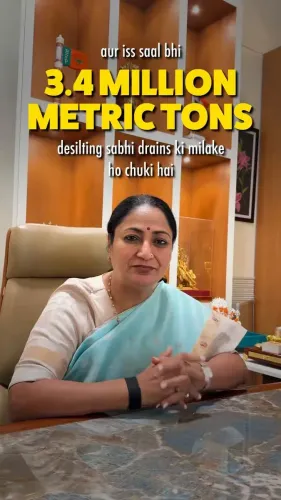
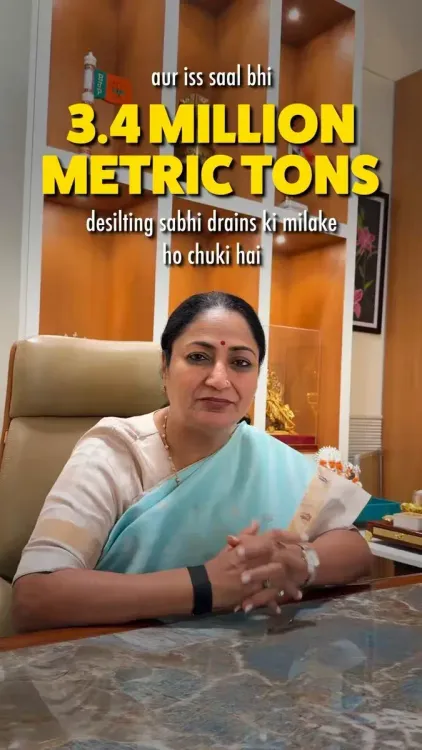
The post states that 3.4 million metric tonnes of silt have already been removed in Delhi's pre-monsoon desilting drive.
The initiative is framed under the #ViksitDelhi campaign, linking civic responsiveness to the BJP administration's urban-development agenda.
The MCD 311 App enables citizens to log and track a range of civic complaints, with drain reporting now highlighted ahead of monsoon season.
Waterlogging during the monsoon is a recurring crisis in Delhi , affecting commutes, property, and public health across densely populated areas.
The campaign relies on public participation to crowdsource real-time drain data that supplements MCD field inspections.
Delhi Chief Minister Rekha Gupta on Tuesday, 23 June 2026 called on residents across the capital to use the MCD 311 App to report uncleared drains in their neighbourhoods, framing public participation as a key pillar of the city's pre-monsoon preparedness drive.
Context
In her post on X, CM Gupta outlined a simple three-step process: open the MCD 311 App, report an uncleared drain, and expect prompt action from municipal authorities. She noted that 3.4 million metric tonnes of silt have already been removed as part of ongoing desilting efforts, and urged citizens: 'Your alert today can prevent waterlogging tomorrow.' The post was accompanied by a video and carried the hashtag #ViksitDelhi (Developed Delhi).
The appeal comes weeks before the monsoon season typically arrives in Delhi, a period that historically strains the capital's drainage network and leads to widespread waterlogging in low-lying colonies and underpasses.
Policy Backdrop
The Municipal Corporation of Delhi (MCD) has conducted annual pre-monsoon desilting drives for several years, clearing storm-water drains and nullahs to reduce flood risk. The integration of a citizen-facing app into this workflow reflects a broader shift in Indian municipal governance toward digital grievance redressal, a trend that gathered pace across urban local bodies from the mid-2010s onward.
The MCD 311 App allows residents to log complaints about a range of civic problems — from pothole reports to sanitation issues — and track their resolution. By directing residents specifically to the drain-reporting function ahead of the monsoon, the Delhi government is attempting to crowdsource real-time intelligence on drainage bottlenecks that field teams may not yet have identified.
The #ViksitDelhi hashtag links the initiative to the BJP-led administration's broader urban-development narrative, positioning responsive civic infrastructure as central to the vision of a 'developed Delhi.'
Stakeholders and Impact
Delhi's roughly 20 million residents stand to benefit directly if the reporting mechanism accelerates drain-clearing before peak rainfall. Waterlogging disrupts daily commutes, damages property, and creates public-health risks including vector-borne diseases such as dengue and malaria — concerns that intensify every monsoon in densely populated areas.
MCD sanitation workers are the operational backbone of the desilting effort; citizen reports through the app are intended to help supervisors prioritise deployment of crews and machinery to the most congested drains. For the Rekha Gupta administration, visible pre-monsoon action also carries political weight, as flooding has been a persistent source of public grievance in the capital for successive governments.
What's Next
The effectiveness of the MCD 311 App campaign will be tested once the monsoon arrives, likely by late June or early July 2026. Authorities will be watched for follow-up data on complaint resolution times and any reduction in waterlogging incidents compared with previous years. CM Gupta has implicitly set a benchmark — that citizen alerts translate into 'prompt action' — and the administration's credibility on urban infrastructure will hinge on whether that promise is kept at scale.
Point of View
It strengthens the administration's 'Viksit Delhi' narrative; if waterlogging persists despite the campaign, the gap between the promise of 'prompt action' and ground reality will be politically costly. The initiative also signals that the government views citizen engagement — not just bureaucratic drives — as essential to managing Delhi's chronically stressed drainage network.
NationPress
21 Sept 2026
Frequently Asked Questions
How do I report a blocked drain in Delhi using the MCD 311 App?
Open the MCD 311 App on your smartphone, select the drain or sanitation complaint category, provide your location details and a description of the problem, and submit the report. MCD authorities are expected to take prompt action based on the complaint.
What is the MCD 311 App?
The MCD 311 App is a citizen-facing mobile application run by the Municipal Corporation of Delhi that allows residents to report local civic problems — including blocked drains, potholes, and sanitation issues — and track the status of their complaints.
Why is Delhi doing pre-monsoon drain cleaning in 2026?
Delhi is highly vulnerable to waterlogging during the monsoon season due to its flat terrain, dense population, and aging drainage infrastructure. Authorities conduct annual pre-monsoon desilting drives to clear storm-water drains and reduce flood risk before heavy rains arrive.
Who is Rekha Gupta and what is her role in Delhi?
Rekha Gupta is the Chief Minister of Delhi and a leader of the Bharatiya Janata Party (BJP). She heads the Delhi state government and oversees civic and infrastructure initiatives in the capital.
What is the #ViksitDelhi campaign?
#ViksitDelhi, meaning 'Developed Delhi,' is a campaign hashtag used by the Rekha Gupta-led BJP administration to brand its urban governance and infrastructure initiatives, linking civic improvements to a broader vision of a modern, developed capital city.