CM Bhajan Lal Hails Barmer Weaver's National Handloom Award
Synopsis
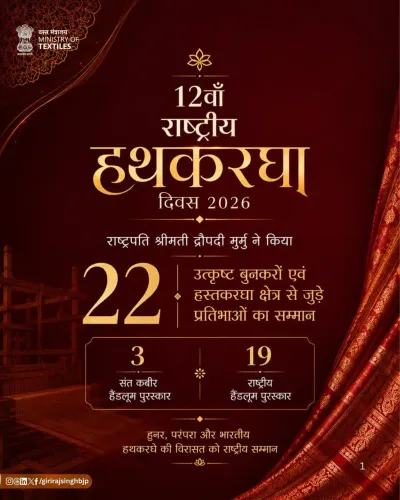
On National Handloom Day, President Draupadi Murmu conferred the National Handloom Award on Bariqa Ram, a young weaver from Barmer, Rajasthan. Chief Minister Bhajan Lal Sharma celebrated the honour as a matter of pride for the state and a beacon for younger artisans to preserve India's handloom heritage.
Key Takeaways
Bariqa Ram , a young weaver from Barmer, Rajasthan , received the National Handloom Award from President Draupadi Murmu.
The award was conferred on National Handloom Day, 7 August 2026 , observed annually since 2015.
Rajasthan CM Bhajan Lal Sharma publicly congratulated Bariqa Ram on X, calling it a matter of pride for all of Rajasthan.
Barmer is a western Rajasthan district with a centuries-old tradition of handloom weaving and textile crafts.
National Handloom Awards recognise individual artisans for technical excellence and contribution to India's living craft heritage.
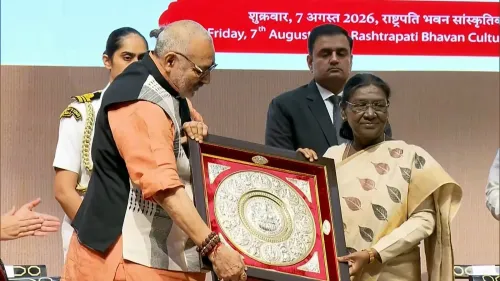
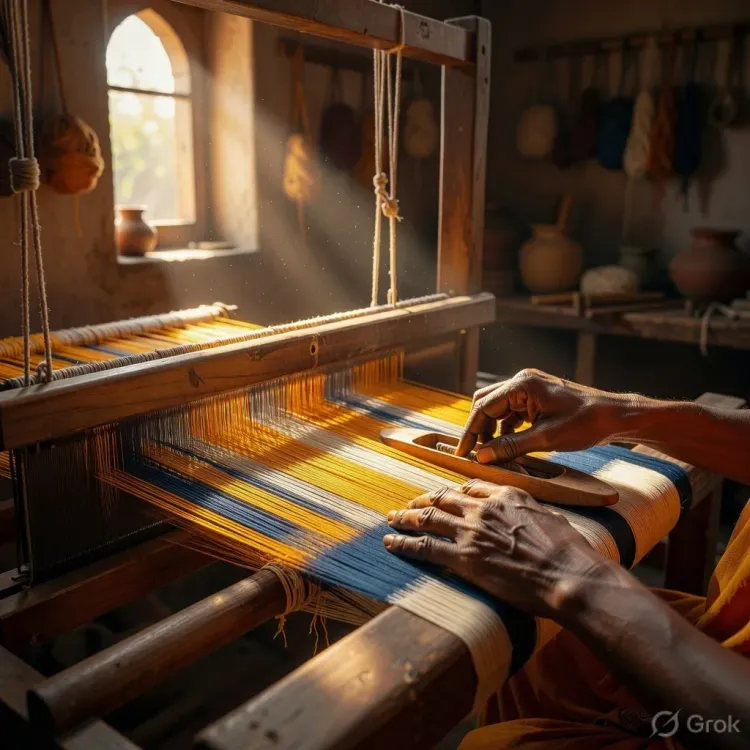
On National Handloom Day, 7 August, a young weaver from the desert district of Barmer stepped into the national spotlight — and Rajasthan Chief Minister Bhajan Lal Sharma made sure the moment did not pass quietly. Bariqa Ram, a craftsman carrying forward one of western Rajasthan's oldest textile traditions, was conferred the National Handloom Award by President Draupadi Murmu at a ceremony marking the annual observance.
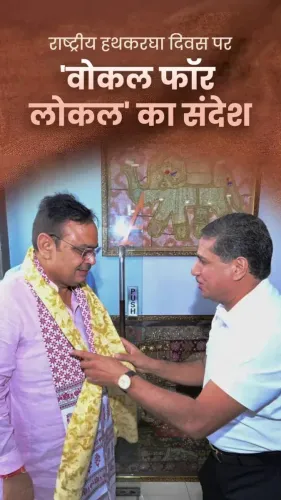
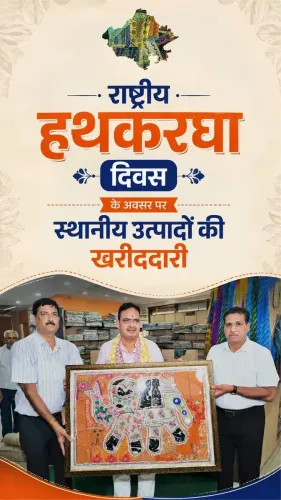
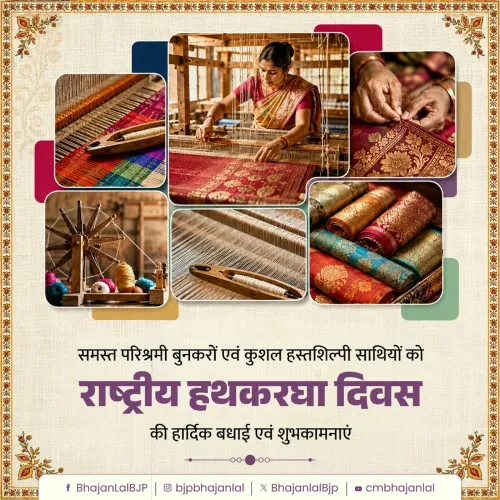
Sharma took to X to extend his congratulations, calling the recognition 'garv ka vishay' — a matter of pride — for every resident of the state. 'Your art, skill, and dedication are continuously enriching our generations-old handloom heritage,' the Chief Minister wrote, adding that the achievement would inspire the younger generation to preserve and promote traditional arts and crafts.
Barmer's Weaving Legacy Meets a National Stage
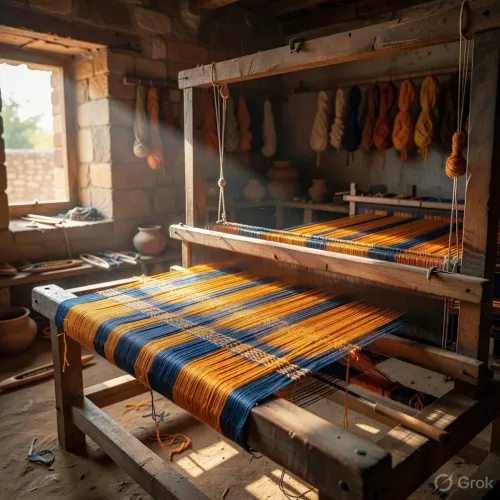
Barmer district sits at the western edge of Rajasthan, where handloom weaving has been a livelihood and a cultural identity for centuries. The region is known for bold geometric patterns, natural dyes, and techniques passed down through weaving communities across generations. Bariqa Ram's recognition places that tradition directly under the national lens.
National Handloom Awards are among the highest civilian honours extended to individual weavers, recognising both technical excellence and the role artisans play in keeping craft ecosystems alive. President Murmu, who has consistently used ceremonial platforms to spotlight artisan communities and tribal heritage, presided over this year's conferment.
National Handloom Day and India's Artisan Recognition Push
The Government of India has observed National Handloom Day on 7 August every year since 2015, a date chosen to mark the Swadeshi Movement of 1905. The day has since become a focal point for policy announcements, award ceremonies, and trade showcases centred on the handloom sector's cultural and economic weight.
Across Rajasthan and other states, successive governments have sustained programmes linking artisan recognition to broader goals — GI-tag documentation, cluster development, and export promotion. A single award to a young weaver like Bariqa Ram functions as both a personal milestone and a public signal: that the state values the human chain through which textile heritage travels from one generation to the next.
For Barmer, and for the weavers who watch from its workshops and homes, the message from New Delhi on 7 August 2026 is clear — the loom still matters.
Point of View
Reinforcing the ideological link between traditional craft and national identity. For Rajasthan specifically, where the handloom sector intersects with rural livelihoods and tourism, such recognition carries both symbolic and economic undertones. Watch whether this translates into fresh state-level allocations or artisan cluster announcements ahead of the next budget cycle.
NationPress
21 Sept 2026
Frequently Asked Questions
Who is Bariqa Ram and why did he receive the National Handloom Award?
Bariqa Ram is a young weaver from Barmer district in Rajasthan, recognised for his skill in traditional handloom weaving. He received the National Handloom Award from President Draupadi Murmu on National Handloom Day, 7 August 2026, for his contribution to preserving and enriching Rajasthan's handloom heritage.
When is National Handloom Day and why is it celebrated on 7 August?
National Handloom Day is observed every year on 7 August . The Government of India began the observance in 2015 , choosing the date to mark the anniversary of the Swadeshi Movement of 1905, which promoted indigenous textiles and crafts.
What did Rajasthan CM Bhajan Lal Sharma say about Bariqa Ram's award?
CM Bhajan Lal Sharma called the recognition a matter of pride for all residents of Rajasthan. He praised Bariqa Ram's art, skill, and dedication, saying it continuously enriches the state's generations-old handloom heritage and will inspire youth to preserve traditional arts and crafts.
What is Barmer known for in terms of handloom and textiles?
Barmer is a western Rajasthan district with a centuries-old tradition of handloom weaving, known for bold geometric patterns, natural dyes, and techniques passed down through local weaving communities across generations.
Who presents the National Handloom Award in India?
The National Handloom Award is one of the highest civilian honours for weavers in India and is conferred by the President of India . In 2026, President Draupadi Murmu presented the award at the National Handloom Day ceremony.