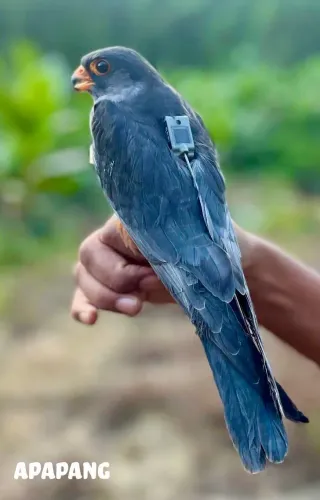
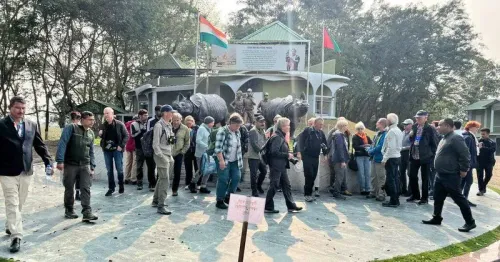
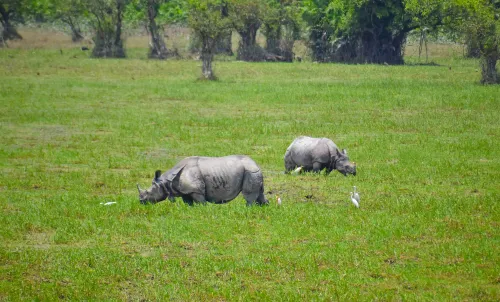
Assam CM Office Spotlights Amur Falcon Migration Route
Synopsis
The Chief Minister's Office of Assam has spotlighted the annual Amur Falcon migration, calling the state a 'most remarkable stopover' on the birds' 22,000-km journey, and urging habitat protection at key sites in Dima Hasao and Morigaon districts.
Key Takeaways
The Chief Minister's Office of Assam posted about the annual Amur Falcon migration on 5 November 2026 .
Thousands of Amur Falcons travel a 22,000-km migration route that includes critical stopovers in Assam.
Umrangso in Dima Hasao and Dharamtul in Morigaon are the two specific Assam sites highlighted.
Assam's stopover is essential for the falcons before their non-stop ocean crossing to East Africa.
The CMO called on communities to keep falcon habitats 'safe and undisturbed,' aligning with eco-tourism and conservation goals.
The post is part of ongoing state outreach under the #AwesomeAssam brand to promote nature tourism in the Northeast.
Thousands of Amur Falcons are descending on Assam right now — tiny raptors that have already flown nearly halfway around the planet and are nowhere near done. The Chief Minister's Office of Assam marked the annual spectacle on 5 November 2026, calling the state one of the most remarkable stopovers on the bird's extraordinary 22,000-km migration circuit.
From Dima Hasao to Morigaon: Assam's falcon corridor
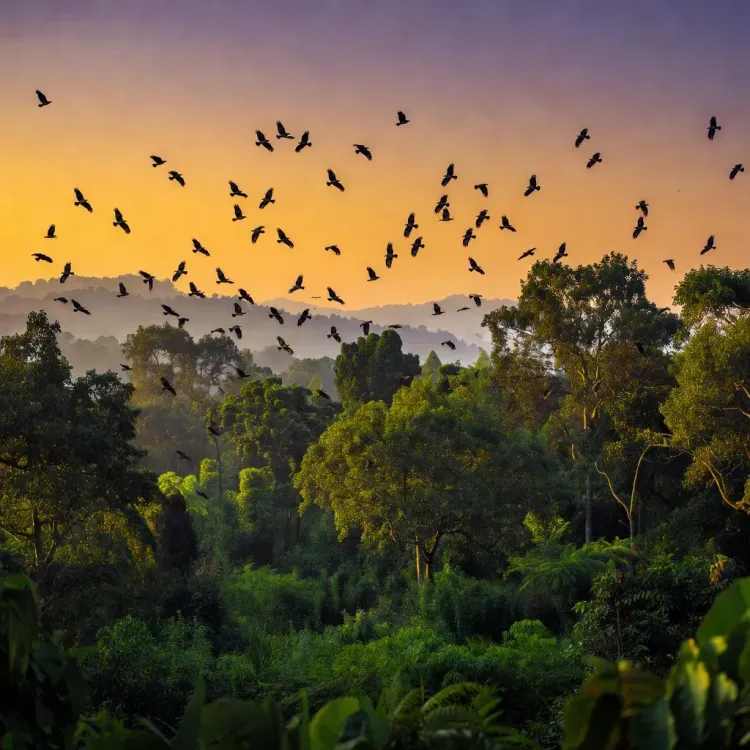
The CMO post drew attention to two specific sites that birdwatchers have long prized. Umrangso in Dima Hasao district and Dharamtul in Morigaon district both sit along the route that Amur Falcons trace every autumn as they sweep south from their breeding grounds in eastern Russia and northern China toward wintering sites in southern Africa. The sheer numbers — thousands arriving in tight, wheeling flocks — make the phenomenon one of the most dramatic wildlife sights in the Northeast.
A 22,000-km odyssey that passes through Northeast India
The Amur Falcon (Falco amurensis) holds an almost mythic status in the migration world: a small insect-eating raptor that completes one of the longest overland-and-ocean journeys of any bird of prey. After staging in Northeast India and Bangladesh, the birds cross the Bay of Bengal and the Indian Ocean in a single non-stop overwater flight before reaching East Africa. Assam's forests and wetlands provide the critical rest-and-refuel stop that makes that ocean crossing possible at all.
Eco-tourism push and the habitat protection call
The CMO's message was not purely celebratory — it carried a pointed conservation note, urging residents and visitors to keep the birds' habitats 'safe and undisturbed.' Assam's forest and tourism departments have in prior seasons worked to build birdwatching infrastructure around migration sites as part of broader eco-tourism development in the Northeast. That framing — welcoming the birds while protecting their corridor — mirrors commitments India has made under international migratory species frameworks. The post's #AwesomeAssam tag situates the falcon season within the state's wider pitch to nature tourists.
When thousands of falcons settle into the tree-lines of Dima Hasao and Morigaon each November, they carry the unspoken logic of conservation plainly: protect the stopover, and the whole migration survives. Assam's moment in that global chain is brief — and spectacular.
Point of View
Assam is doing something strategically layered: wrapping a conservation message inside a tourism pitch. The Northeast has long been underserved in India's mainstream travel imagination, and high-visibility wildlife events like this falcon corridor are low-cost, high-impact tools to change that narrative. The habitat-protection appeal also signals that the state is aware of past controversies — Nagaland's Doyang reservoir once saw mass falcon hunting before community-led conservation turned it into a celebrated festival. Assam appears to be pre-empting similar risks by cultivating a protective local ethic early in the season.
NationPress
5 Nov 2026
Frequently Asked Questions
Where can I see Amur Falcons in Assam?
Key sites include Umrangso in Dima Hasao district and Dharamtul in Morigaon district, both highlighted by the Assam CMO as prime falcon observation points during the November migration season.
How far do Amur Falcons migrate?
Amur Falcons complete one of the longest migrations of any raptor, covering roughly 22,000 km from their breeding grounds in eastern Russia and northern China to wintering sites in southern Africa.
Why is Assam important for Amur Falcon migration?
Assam's forests and wetlands serve as a critical rest-and-refuel stopover before the falcons undertake a non-stop overwater flight across the Bay of Bengal and Indian Ocean toward East Africa.
When is the best time to see Amur Falcons in Assam?
The main migration window falls in November , when large flocks pass through Assam on their southward journey, as confirmed by this season's official CMO post dated 5 November 2026 .
What is the Assam government doing to protect Amur Falcons?
The Chief Minister's Office has urged residents and visitors to keep falcon habitats 'safe and undisturbed,' and the state's forest and tourism departments have previously worked to develop birdwatching eco-tourism infrastructure around migration sites.