CM Yogi: UP's ~80 GI-Tagged Products Gaining Global Market
Synopsis
Chief Minister Yogi Adityanath's office announced that Uttar Pradesh now has approximately 80 GI-tagged products, strengthening their global recognition and opening better international market access for the state's artisans and exporters.
Key Takeaways
Uttar Pradesh now has approximately 80 products registered under the Geographical Indication framework, according to CM Yogi Adityanath's office.
GI tags are granted under the Geographical Indications of Goods (Registration and Protection) Act, 1999 , providing legal protection tied to a product's geographic origin.
The tags are aimed at enhancing global market credibility and improving international trade access for UP's traditional artisans and regional exporters.
Uttar Pradesh ranks among India's top states for GI registrations, with strength in textiles, handicrafts, and agricultural produce.
The announcement was made by the Chief Minister's Office of Uttar Pradesh on 5 November 2026 .
Uttar Pradesh now holds nearly 80 Geographical Indication (GI) tags for its distinctive regional products — a milestone that Chief Minister Yogi Adityanath's office highlighted on 5 November 2026, underlining the state's push to convert centuries-old craft and agricultural heritage into internationally recognised, tradeable identity.
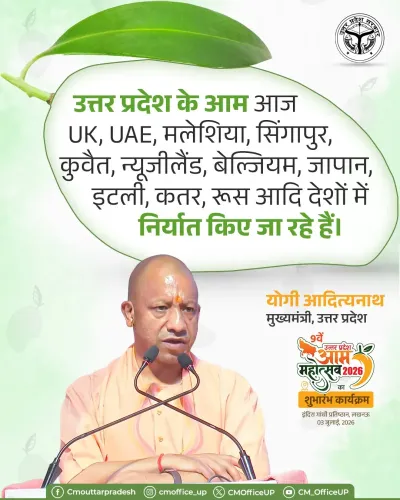
The Chief Minister's statement, shared by the CMO Uttar Pradesh, reads: 'Aaj Uttar Pradesh mein lagbhag 80 aise vishisht utpad hain, jinhe GI tag prapt ho chuka hai' — 'Today in Uttar Pradesh, there are approximately 80 such distinctive products that have received the GI tag. This has enhanced the recognition and credibility of these products in the global market, and they are getting better access to international markets.'
What a GI Tag Actually Does for an Artisan
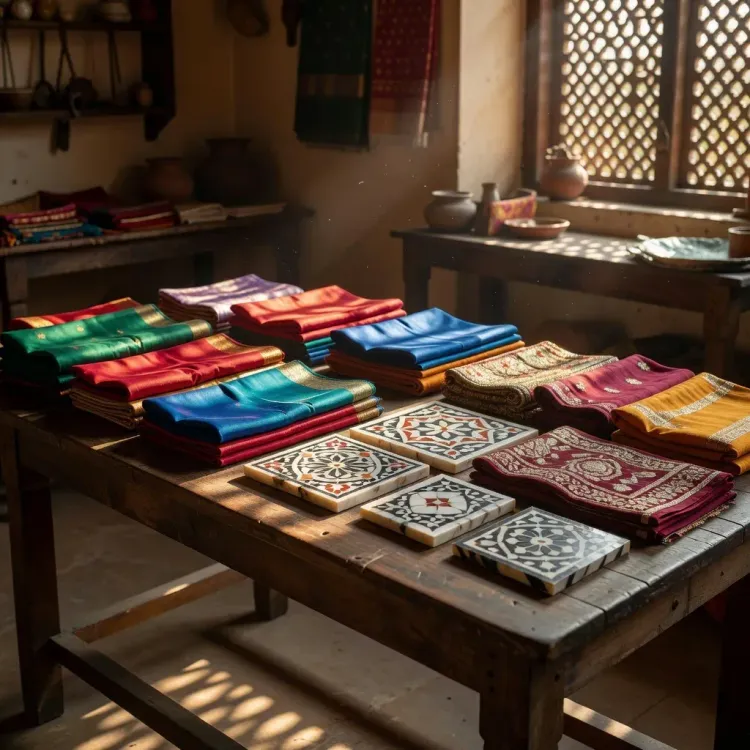
A Geographical Indication tag, granted under India's Geographical Indications of Goods (Registration and Protection) Act, 1999, is legal armour. It binds a product's name and quality to its place of origin, making imitation or mislabelling in export markets a registrable offence. For a weaver in Varanasi producing Banarasi silk, or a craftsperson in Agra working marble inlay, the tag is not ceremonial — it is the difference between a commodity and a certified, premium product that commands better price discovery abroad.
UP's Position in India's GI Race
Uttar Pradesh has consistently ranked among the highest GI-holding states in India, with its portfolio spanning handloom textiles, embroidery traditions, agricultural produce, and artisanal crafts. Indian states have steadily accelerated GI registrations since the early 2000s, treating them as a soft-power and export-promotion instrument simultaneously. The state's concentrated base of traditional artisans and regional exporters gives each new tag immediate commercial relevance, not merely archival value.
The push aligns with a broader national pattern: as global supply chains increasingly reward provenance and authenticity, GI certification has evolved from a niche legal tool into a frontline trade-facilitation mechanism. For UP — India's most populous state — anchoring nearly 80 products within that framework signals a deliberate effort to future-proof artisan livelihoods against generic, low-cost competition in international markets.
The next indicator to watch: whether the state pairs these registrations with dedicated export-promotion infrastructure — cluster-level branding, e-commerce linkages, and participation in international trade fairs — to convert the legal protection into actual revenue for the craftspeople at the base of these supply chains.
Point of View
Uttar Pradesh is positioning its artisan economy not as a welfare dependent but as a legitimate player in global premium markets. The real test, however, lies in whether legal protection translates into on-ground income gains for weavers and craftspeople, or whether it remains a headline metric. Watching state-level export data for GI-tagged UP products in the coming quarters will reveal whether the tags are delivering commercial dividend or simply diplomatic prestige.
NationPress
5 Nov 2026
Frequently Asked Questions
What is a GI tag and why does it matter for UP products?
A Geographical Indication (GI) tag is a legal certification under India's GI Act of 1999 that links a product's quality and reputation to its specific geographic origin. For UP products, it prevents imitation and helps artisans command better prices in domestic and international markets.
How many GI tags does Uttar Pradesh have in 2026?
According to Chief Minister Yogi Adityanath's office, Uttar Pradesh has approximately 80 GI-tagged products as of November 2026.
Which UP products are known to have GI tags?
Uttar Pradesh's GI portfolio includes well-known items such as Banarasi silk sarees, Agra marble inlay work, Lucknow chikankari embroidery, and several regional agricultural products, among others.
How does a GI tag help Indian artisans in global markets?
A GI tag certifies origin and authenticity, making it harder for cheaper imitations to pass off as the original product abroad. This builds buyer trust internationally and can support premium pricing and better export opportunities.
Which Indian state has the most GI tags?
Uttar Pradesh is consistently among the top-ranked Indian states for GI registrations, particularly in textiles and handicrafts, though the exact national ranking shifts as new products are registered across all states.