CM Samrat Choudhary Chairs VB-G RAM G Review Meet in Patna
Synopsis
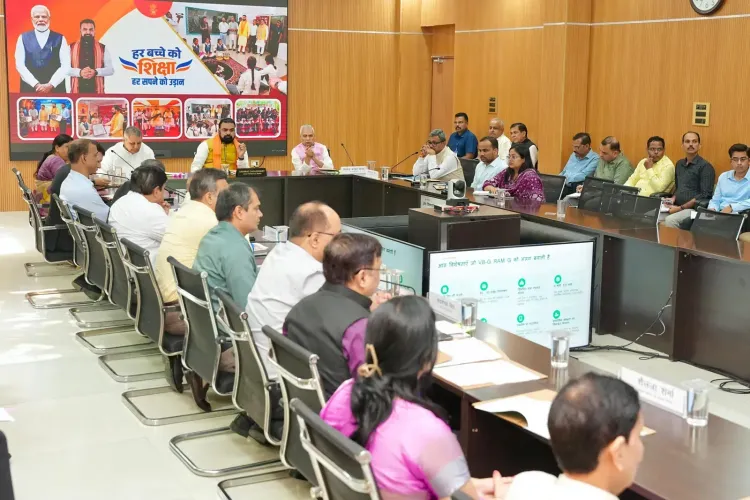
Bihar CM Samrat Choudhary convened a high-level review of the VB-G RAM G rural employment and livelihood mission on 5 November 2026 at Patna's Sankalp auditorium, underscoring the state's push to align with the national Viksit Bharat 2047 vision.
Key Takeaways
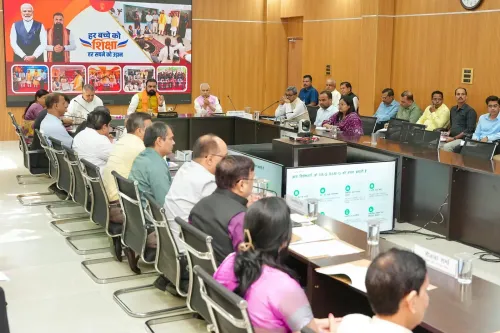
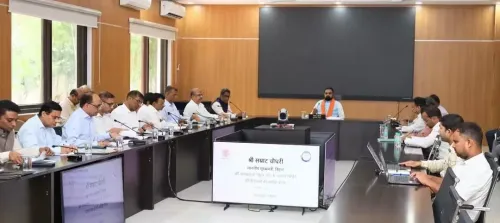
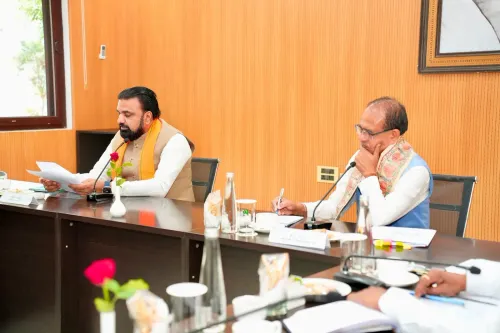
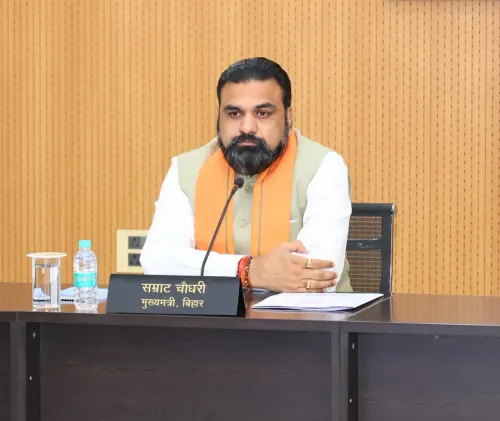
CM Samrat Choudhary chaired the VB-G RAM G review meeting on 5 November 2026 at Lok Sevak Avas, Patna .
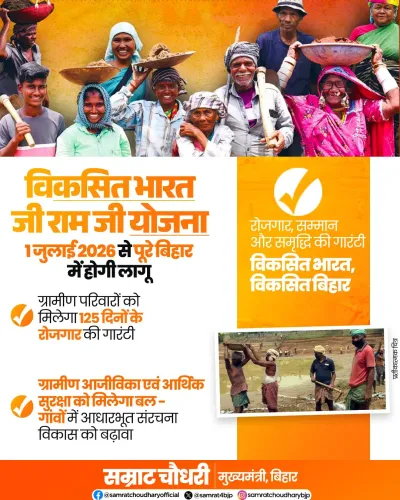
The mission — Viksit Bharat - Rozgar Evam Ajeevika Guarantee Mission (Gramin) — targets rural employment and livelihoods in Bihar.
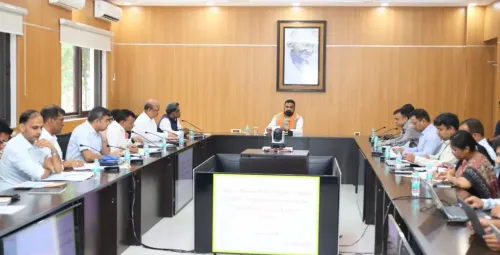
The meeting was held at the 'Sankalp' auditorium , signalling formal institutional commitment to the scheme's rollout.
VB-G RAM G connects to the national Viksit Bharat 2047 vision and echoes the guarantee framework of MGNREGA (2005) .
District-level rollout data and integration with existing MGNREGA works are the key metrics to watch going forward.
Rural employment is back in the crosshairs of Bihar's top leadership. On Thursday, 5 November 2026, Chief Minister Samrat Choudhary presided over a review meeting at the 'Sankalp' auditorium inside Lok Sevak Avas, Patna, focused on the effective implementation of the Viksit Bharat - Rozgar Evam Ajeevika Guarantee Mission (Gramin), officially abbreviated as VB-G RAM G.
What VB-G RAM G is built to do
The mission's name encodes its ambition: it plugs directly into the Viksit Bharat national vision — Prime Minister Narendra Modi's framework to elevate India to developed-nation status by 2047 — and applies it to the most acute pressure point in rural Bihar: jobs and livelihoods. The 'guarantee' framing deliberately echoes MGNREGA, the landmark 2005 law that established 100 days of guaranteed wage employment for rural households, which remains the backbone of rural employment architecture across Indian states.
Bihar's long run with rural employment reviews
Bihar is no stranger to such high-level stocktaking. The state has periodically convened scheme-level reviews to identify where national livelihood programmes have stalled, where disbursal has lagged, and how local administrative machinery can be tightened. Samrat Choudhary, a veteran Bihar politician with significant state-level leadership experience, has used these sessions to signal political ownership of welfare delivery — a critical signal in a state where rural unemployment and underemployment remain persistent electoral and humanitarian concerns.
The choice of venue is itself deliberate: the Sankalp — meaning 'resolve' or 'commitment' — hall within the official Chief Minister's residence positions the meeting as a statement of intent, not just routine administration.
What officials will be watching next
The real test of Thursday's review will play out at the district level, where implementation data tells the unvarnished story. Key indicators to track include whether VB-G RAM G works are being mapped and converged with existing MGNREGA projects to prevent duplication, how quickly job cards and livelihood linkages are being activated in Bihar's most underserved blocks, and whether the mission's gramin (rural) mandate translates into measurable wage-employment days per household before the next agricultural cycle.
Point of View
Not just administrative housekeeping — a posture that makes sense ahead of any electoral cycle in one of India's most populous and agrarian states. The 'Viksit Bharat' branding aligns state messaging tightly with the central government's 2047 development narrative, reinforcing cooperative federalism optics. The convergence question with MGNREGA is the real policy crux: whether VB-G RAM G adds institutional depth or merely repackages existing entitlements will determine its long-term credibility. Watchers of Bihar's governance trajectory should focus on district-level absorption capacity, which has historically been the weakest link in translating scheme design into wage days on the ground.
NationPress
5 Nov 2026
Frequently Asked Questions
What is VB-G RAM G in Bihar?
VB-G RAM G stands for Viksit Bharat - Rozgar Evam Ajeevika Guarantee Mission (Gramin), a rural employment and livelihood scheme being implemented in Bihar and reviewed by CM Samrat Choudhary on 5 November 2026.
Who is Samrat Choudhary?
Samrat Choudhary is a Bihar politician serving as Chief Minister of Bihar, with a background in state-level party and government leadership roles.
How is VB-G RAM G different from MGNREGA?
MGNREGA is a central law from 2005 guaranteeing 100 days of wage employment to rural households. VB-G RAM G is a newer mission framed under the Viksit Bharat 2047 vision, with a broader livelihood and ajeevika (livelihood) mandate, though officials are expected to explore convergence with MGNREGA works.
Where was the Bihar rural employment review meeting held?
The meeting was held at the 'Sankalp' auditorium inside Lok Sevak Avas, the Chief Minister's official residence in Patna, on 5 November 2026.
What is Viksit Bharat 2047?
Viksit Bharat — meaning 'Developed India' — is the central government's vision to achieve developed-nation status for India by the year 2047, the centenary of Independence, encompassing economic growth, infrastructure, and social welfare goals.