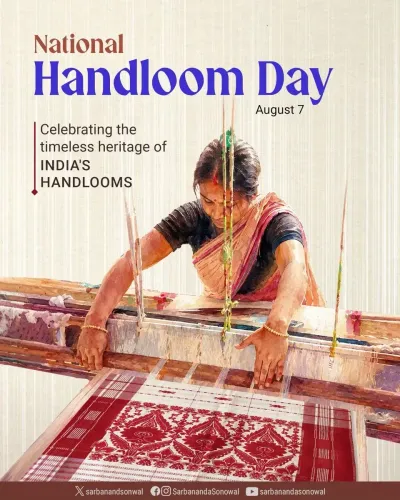
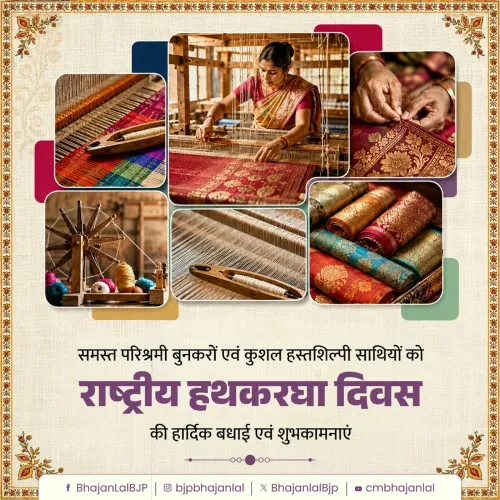
CM Bhajan Lal Backs PM Modi's National Handloom Day Call
Synopsis
On National Handloom Day 2026, Rajasthan CM Bhajan Lal Sharma amplified PM Modi's call for citizens to buy handloom products and share videos online, linking the gesture to the Vocal for Local and Atmanirbhar Bharat missions and honouring India's weaving community.
Key Takeaways
Rajasthan CM Bhajan Lal Sharma backed PM Narendra Modi 's National Handloom Day appeal on 7 August 2026 .
The campaign asks citizens to buy a handloom product, record a video, and share it on social media.
National Handloom Day was established in 2015 to mark the centenary of the Swadeshi Movement of 1905 .
The push is tied to the Atmanirbhar Bharat Abhiyan (launched May 2020 ) and the 'Vocal for Local' initiative.
The campaign directly benefits India's handloom weavers, a sector central to rural livelihoods across states including Rajasthan.
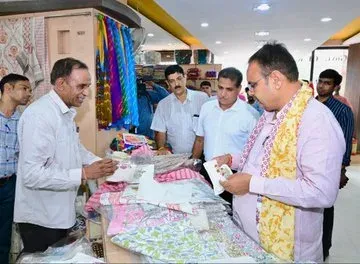
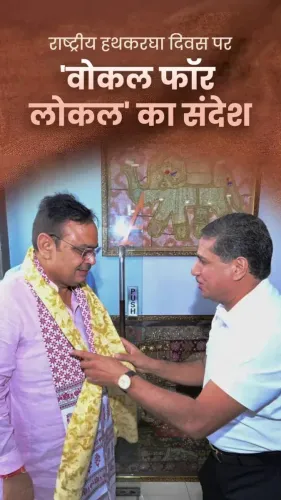
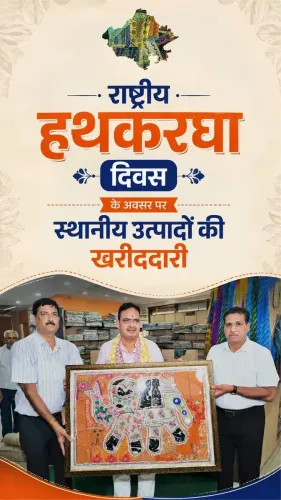
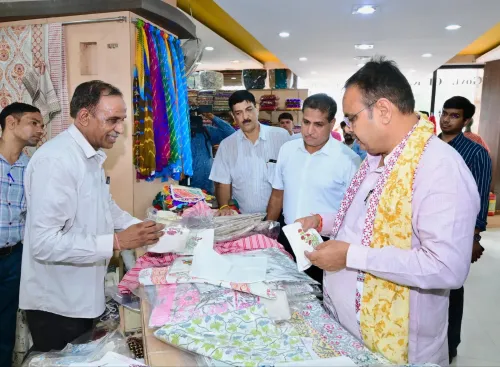
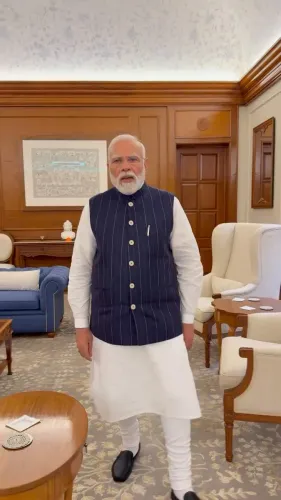
On National Handloom Day, 7 August 2026, Rajasthan Chief Minister Bhajan Lal Sharma threw his weight behind Prime Minister Narendra Modi's nationwide appeal — urging every Indian to buy a handloom product, film it, and share it on social media to power a grassroots movement for the country's weavers.
Amplifying the Prime Minister's call, CM Sharma wrote: 'एक हैंडलूम उत्पाद खरीदें, उसका वीडियो साझा करें' — 'Buy one handloom product, share its video' — framing the simple act as fuel for the 'Vocal for Local' and Atmanirbhar Bharat missions. The post specifically salutes the 'extraordinary skill and rich cultural heritage' of India's hardworking weaver brothers and sisters.
Why 7 August carries weight for India's weavers
National Handloom Day was instituted by the Ministry of Textiles in 2015 to mark the centenary of the Swadeshi Movement of 1905 — the historic call to boycott British goods and champion Indian craftsmanship. Choosing that date was deliberate: it anchors a modern economic campaign in a century-old act of national assertion. Every year since, governments at the centre and in the states have used the occasion to spotlight the sector's role in rural livelihoods.
Vocal for Local meets the loom
The Atmanirbhar Bharat Abhiyan, announced by Prime Minister Modi in May 2020, placed traditional crafts at the intersection of cultural pride and economic self-reliance. The 'Vocal for Local' slogan that followed turned consumer choice into a political statement — and the handloom sector, employing millions of weavers across states including Rajasthan, became one of its most visible symbols.
CM Sharma's endorsement follows a pattern of BJP-governed states echoing central campaigns to link heritage preservation with rural employment. Rajasthan, home to distinctive textile traditions from Jaipur's block prints to Barmer's embroidery, has a direct stake in any national push for handloom consumption.
The real test of this year's campaign will play out in the days ahead — in social media participation numbers and whether state governments translate the cultural moment into concrete weaver-welfare announcements. For now, the loom is in the spotlight. Whether the click of a 'share' button translates into a lasting market for India's weavers is the question this movement has always had to answer.
Point of View
Giving BJP leaders at every tier a low-cost, high-visibility opportunity to associate themselves with weaver welfare. The social-media video challenge format also signals a maturing of the 'Vocal for Local' playbook: it turns passive consumers into active campaign participants, generating organic reach without state expenditure. Whether such annual cycles of enthusiasm translate into durable market gains for weavers remains the sector's defining unanswered question.
NationPress
21 Sept 2026
Frequently Asked Questions
What is National Handloom Day and when is it celebrated?
National Handloom Day is observed every year on 7 August to honour India's handloom weavers and commemorate the Swadeshi Movement of 1905 . It was instituted by the Ministry of Textiles in 2015 on the movement's centenary.
What did PM Modi ask citizens to do on National Handloom Day 2026?
PM Modi urged all Indians to buy a handloom product and share a video of the purchase on social media as part of a public-participation drive supporting weavers and the Vocal for Local mission.
Why did Rajasthan CM Bhajan Lal Sharma support the handloom campaign?
CM Sharma endorsed the campaign to align Rajasthan with the national Atmanirbhar Bharat and Vocal for Local goals, and to spotlight the state's own rich textile heritage, from Jaipur block prints to Barmer embroidery.
What is the Vocal for Local initiative?
'Vocal for Local' is a campaign under the Atmanirbhar Bharat Abhiyan launched in 2020 that encourages Indians to prefer and promote domestically made goods, including traditional handloom textiles.
How does the Swadeshi Movement connect to National Handloom Day?
The Swadeshi Movement of 1905 called on Indians to reject British goods and champion domestic craftsmanship. National Handloom Day was placed on 7 August — the movement's anniversary — to draw a direct line between that historic assertion and today's push for local production.